Compensation, Benefits, and Social Insurance Guide (for Foreigners Looking to Work in Japan)
Compensation, Benefits, and Social Insurance Guide (for Foreigners Looking to Work in Japan)
Salary, Benefits, and Social Insurance
2026.08.03
The Current State of the Job Market for Foreigners in Japan
The job market for foreigners in Japan has become increasingly important in recent years, driven by an aging population and declining birthrate and labor shortages. To help foreignersfind jobs in Japan, it is important to understand it mainly from two perspectives: residence status and employers’ needs.
Residence status sets out the legal framework for foreigners to work in Japan. Key residence statuses include specialized/technical fields, permanent residents, permanent residents, and spouse or other dependent of a Japanese national, among others. Based on these residence statuses, the types of jobs and duties that foreigners can work in are determined.
On the other hand, employers’ needs also have a major impact on the job market for foreigners. Japanese companies aim to expand their international perspective and promote diversity through the employment of foreigners via hiring. In particular, more and more companies are moving forward with accepting highly skilled foreign talent, and foreigners’ job prospects are generating growing expectations.
Foreigners who want to work in Japan must have an essential understanding of Japan’s working environment, such as pay, benefits, and social insurance and labor laws. For example, Japan’s pay system and social insurance schemes are often things that foreigners encounter for the first time, so gathering information in advance is important.
Next, let’s take a closer look at pay, benefits, and social insurance and labor laws.
Key points summary
In Japan, the job market for foreign nationals is expanding while being influenced by residence status and hiring needs. Understanding pay and benefits, social insurance, and labor laws is essential for a smooth job search. Gathering information is important for foreign nationals to build a career in Japan.
What Is the Role of Foreigners in Japan’s Job Market?
In Japan’s job market, the role of foreigners has become increasingly important year by year. In particular, as Japanese companies move forward with globalization, hiring foreigners has become an indispensable element. In the sections below, we will examine the job categories with many foreign hires, the value companies expect, and the mismatches that can occur in Japan.
First, the job categories with many foreign hires include the following.
Global sales: For companies that must expand into overseas markets, sales representatives who are foreign and have both cross-cultural understanding and language skills are invaluable.
Engineers: In fields such as information technology and manufacturing, foreign engineers with specific technologies and specialized knowledge play an important role in addressing Japan’s talent shortages.
Tourism/Services: With the increase in tourists visiting Japan, demand is expected to rise for foreign staff who can provide multilingual support.
Multilingual Customer Service (CS): As international business continues to grow, having foreign staff who are proficient in foreign languages handle customer service can help improve customer satisfaction.
Research and Development: In the development of new technologies and products, foreign researchers with an international perspective and expertise can help drive innovation.
Next, the main values that companies expect from foreign talent include the following.
Language Skills: The advanced language abilities that foreign staff bring are a major advantage in expanding business internationally.
Cross-cultural understanding: With the presence of foreign nationals, company culture becomes more diverse, and flexible response capabilities are developed.
Expertise: Specialized knowledge in a particular field is extremely important when Japanese companies take on new technologies and markets.
Addressing labor shortages: In Japan, where labor shortages are seen as a problem due to the declining birthrate and aging population, proactive hiring of foreign nationals is essential.
However, a mismatch can occur between companies and foreign nationals. The most common points are the following.
Japanese language requirements: For employment in Japan, a high level of Japanese proficiency is often required, which becomes a hurdle for foreign nationals.
Placement: Due to differences in language and culture, it may be difficult to be assigned to the desired job category, which can lead to a drop in motivation.
Evaluation criteria: If there is a lack of understanding of Japan-specific evaluation criteria and culture, there is a possibility that foreign employees may not be evaluated fairly.
Japan’s job market has increasingly diversified the roles of foreign workers, but to succeed, it is necessary to adapt to language and culture, as well as for the company side to understand. Efforts are needed to make the employment environment for foreign workers even better. When foreign people work in Japan, it is also important that future policies and company efforts address salary, benefits, and social insurance.
Key points summary
The roles of foreign workers in Japan’s job market are becoming more diverse, and in particular, there is demand for global sales, engineers, tourism, services, and multilingual customer service. While companies expect language skills, understanding of different cultures, and expertise, there are also mismatches due to Japanese language requirements, placement, and evaluation criteria. Initiatives are needed to improve the situation.
Background and trends behind the recent increase in foreign employment
In recent years, the number of foreign workers in Japan has increased rapidly. Behind this rise are multiple factors, including the declining birthrate and aging population leading to a labor shortage, the expansion of inbound demand, progress in digital transformation (DX), the development of systems and frameworks, and an increase in employment opportunities for international students.
First, the declining birthrate and aging population is having a serious impact on Japan’s labor market. According to data from the Statistics Bureau of the Ministry of Internal Affairs and Communications, Japan’s total population has been trending downward, with a particularly notable decline in the working-age population (ages 15 to 64). This shift in population structure makes it difficult for companies to secure the workforce they need, making the acceptance of foreign workers essential.
Next, the worsening labor shortage can be cited. According to the Ministry of Health, Labour and Welfare’s “Survey on the Actual Employment of Foreign Workers in Reiwa 6,” the number of foreign workers has reached approximately 1.82 million, an increase of about 220,000 from the previous year. This increase reflects a growing demand for foreign workers to help fill the labor shortage in Japan’s major industries, such as manufacturing and construction. (Reference: mhlw.go.jp)
Furthermore, the expansion of inbound demand is also having an impact. As the number of foreign tourists visiting Japan increases, demand for foreign workers in the tourism and service industries is rising. Recruiting foreign staff who can provide multilingual support contributes to improving customer satisfaction.
In addition, with the progress of digital transformation (DX), demand for foreign engineers with advanced expertise in the IT field is increasing. As Japanese companies globalize and technological innovation accelerates, the hiring of foreign professionals is becoming increasingly important.
On the institutional side, legal arrangements are being developed to promote the acceptance of foreign workers. In particular, the Specified Skilled Worker system, created in 2019, opened up a new path for foreign people who want to work in Japan. Through this system, the acceptance of foreign workers has expanded, making it easier for them to enter the Japanese labor market.
Furthermore, an increase in job opportunities for international students is also one of the factors. Cases in which foreign students studying in Japan hope to get jobs at Japanese companies after graduation are becoming more common. Japanese companies are also actively hiring foreign international students, which contributes to an increase in the number of foreign workers.
With these factors combined, the number of foreign workers in Japan is trending upward. This trend is expected to continue, and the role of foreign people in Japan’s labor market will become even more important.
Key Takeaways
In recent years, the number of foreign workers in Japan has increased rapidly. This is influenced by factors such as Japan’s declining birthrate and aging population, labor shortages, rising inbound demand, advances in digital transformation, improvements to legal frameworks, and expanded employment opportunities for international students. Going forward, the role of foreign workers will remain important.
Foreigners’ employment situations and salaries by industry
Japan’sforeignjob market has expanded rapidly in recent years. In particular, in major industries such as IT, manufacturing, caregiving, food service/accommodations, logistics, construction, and professional occupations, demand for foreign workers is increasing. Below, we will explain—using specific data—why hiring is common in each industry, the common status of residence, the typical salary range, and how pay raises and career growth tend to develop.
In the IT industry, with the progress of Japan’s digitalization, demand for foreign engineers is increasing. In particular, many foreign people who hold residence statuses such as Specified Activities and Technical/ Humanities Knowledge/ International Services are being hired. Salary ranges are broad—roughly from 4 million to 8 million yen per year depending on experience and skills—and there are also plenty of opportunities for raises and career advancement.
In the manufacturing industry, to make up for labor shortages in Japan, hiring foreign workers is progressing. Many Technical Intern Training and Specified Skilled Worker residence-status holders foreign people are common, and salaries are generally around 200,000 to 300,000 yen per month. How raises and career growth work varies by company and occupation, but by building experience, you can expect advancement to positions where you take on leadership roles.
In the nursing care industry, to respond to Japan’s aging society, demand for foreign care workers is increasing. Many care residence-status holders foreign people are common, and salaries are generally around 180,000 to 250,000 yen per month. Raises and career growth depend on qualification acquisition and years of experience, and it is possible to be promoted to roles such as leaders or managers.
In the food service/accommodation industry, with the increase in foreign tourists visiting Japan, demand for foreign staff is rising. Many Specified Activities and Technical/ Humanities Knowledge/ International Services residence-status holders foreign people are common, and salaries are generally around 200,000 to 300,000 yen per month. How raises and career growth work can lead to promotion to store manager or area manager positions as service skills and management abilities improve.
In the logistics industry, to make up for labor shortages in Japan, hiring foreign drivers and warehouse workers is progressing. Many Specified Skilled Worker and Technical Intern Training residence-status holders foreign people are common, and salaries are generally around 250,000 to 350,000 yen per month. Raises and career growth are possible through improvements in driving skills and logistics management skills, enabling advancement to leader or managerial positions.
In the construction industry, demand for foreign skilled workers is increasing in order to address Japan'slabor shortage. There are many foreign nationals with residence statuses for technical intern training and specified skilled worker, and salaries are generally in the range of about 250,000 to 400,000 yen per month. How much you can get raises and how your career can grow depends on improving your construction technology and on-site management skills, and advancement to roles such as site supervisors or construction managers can be expected.
In professional occupations, hiring foreign people with Japan's advanced expertise is progressing. There are many foreign nationals with residence statuses such as Engineering/Humanities/International Services and Highly Skilled Professional, and salaries are at a high level, generally around 5 million to 10 million yen per year. How much you can get raises and how your career can grow depends on improving your specialized knowledge and management abilities, making it possible to advance to positions such as department head or executive officer.
As described above, the employment situation of foreign nationals and salary, benefits, and social insurance in each industry vary depending on the industry's characteristics and the labor shortage situation in Japan. The acceptance of foreign workers contributes to revitalizing Japan's labor market and improving diversity. Going forward, it is expected that foreignemployment opportunities will expand and salary, benefits, and social insurance will improve.
Key takeaways
Foreignemployment in Japan has different characteristics depending on the industry. In particular, salary, benefits, and social insurance in areas such as IT, manufacturing, caregiving, and food service/accommodation are influenced by the
Salaries and Benefits Foreigners Experience in Japan
When thinking about the salary and benefits that foreigners experience in Japan, it’s important to first understand their structure. When foreigners work in Japan, you need to understand how benefits are determined and how those benefits will affect your day-to-day life.
Salary is usually presented as the gross amount. This figure is determined based on the position and job duties offered by the company, taking into account factors such as job title, years of experience, and market conditions. However, when foreigners work in Japan, various deductions come into play between the take-home pay you actually receive and this gross salary amount. For example, taxes and social insurance premiums are included in these deductions. Because the deduction amounts can sometimes come as a surprise to foreigners, it’s important to understand them thoroughly before you start working.
In Japanese companies, salary and benefits are clearly defined by contract, so it’s important to carefully review the contents of the employment agreement you will sign. In particular, you should pay close attention to the specific details of benefits such as overtime pay, bonuses, pay raises, and welfare benefits. Overtime pay is paid based on the Labor Standards Act, so when overtime work occurs, you need to confirm how it is calculated. Also, if you can expect bonuses to be paid twice a year, you should consider how that will affect your annual income.
It’s also true that many foreigners don’t fully understand the pay-raise system in Japan. In general, Japanese companies give pay raises based on business performance, but they also depend on individual abilities and performance evaluations. You’re expected to understand how your evaluation will be carried out and use that to shape your career development.
Don’t forget about social insurance as well. As long as foreigners live in Japan, enrollment in health insurance and pension plans is mandatory. By joining these insurance programs, you can reduce medical expenses and prepare for living costs in retirement. It can also be helpful to estimate in advance how the social insurance premiums paid based on the regulations will affect your salary take-home pay.
In addition, the benefits that foreigners receive in Japan often include welfare benefits such as an adjustment allowance and a housing allowance. Since these benefits greatly help reduce the burden of living expenses, it is recommended to check the details and conditions of the benefits before accepting a job.
As you can see, when foreigners want to work in Japan, you need a solid understanding of salary, benefits, social insurance, and the working environment. Let’s build a foundation for a fulfilling life in Japan by making sure you don’t neglect these preparations and by easing your concerns.
Checklist
When foreigners get a job in Japan, it’s important to understand salary and benefits. You should confirm the take-home pay after deductions from the gross amount, overtime pay in the contract, bonuses, pay raises, and welfare benefits. Enrollment in social insurance is also mandatory, and by putting these in order properly, you can enjoy a fulfilling life.
How much is the average salary for foreigners in Japan?
In terms of employment in Japan, foreigners are affected by many factors when it comes to salary, benefits, and social insurance. In particular, factors such as occupation, region, educational background, Japanese language proficiency, and status of residence have a major impact on foreigners’ salary, benefits, and social insurance. If you look only at averages without taking these factors into account, it becomes difficult to accurately understand the actual situation.
Averages are useful as one indicator, but to understand foreigners’ salary, benefits, and social insurance, it is important to analyze these factors in detail. For example, even among the same foreigners, the conditions for salary, benefits, and social insurance can differ greatly depending on whether the Japan job is in an urban area or a rural area, or whether they have high Japanese language proficiency.
By referring to official statistical data, you can obtain specific figures related to foreigners’ salary, benefits, and social insurance. By using data such as the “Basic Survey on Wage Structure” conducted by the Ministry of Internal Affairs and Communications, it is possible to grasp trends in foreigners’ salary, benefits, and social insurance.
For example, according to the Ministry of Internal Affairs and Communications’ “Basic Survey on Wage Structure,” the average annual income of foreign nationals is reported to be about 4 million yen. However, this figure groups all foreign nationals together, and when you take into account factors such as occupation, region, educational background, Japanese language proficiency, and status of residence, the actual pay, benefits, and social insurance can vary significantly.
Also, when considering foreign nationals’pay, benefits, and social insurance, it’s important to note that the take-home amount decreases due to social insurance premiums and taxes. For example, for a foreign national with an annual income of 4 million yen, after deducting social insurance premiums and taxes, the take-home amount may be around 3 million yen. This shows the importance of considering the take-home amount when evaluating foreign nationals’pay, benefits, and social insurance.
Because foreign nationals’pay, benefits, and social insurance vary greatly depending on these factors, it’s necessary to analyze each individual situation in detail, not just rely on averages. Foreign nationals considering employment in Japan should take these factors into account and choose the pay, benefits, and social insurance that best fits their circumstances.
Key point here
In Japan, the pay of foreign nationals varies significantly depending on factors such as occupation, region, educational background, Japanese language proficiency, and status of residence. By referring to official statistical data, you can understand average annual income and take-home pay, but it’s important to consider the actual conditions.
Differences in employment benefits: Comparison between regular employees and non-regular employment
In Japan, foreigners’ job placement can involve significantly different benefits and conditions. In particular, employment types such as regular employees and non-regular employment—contract employees, temporary staff, and part-time workers—have many differences related to salary, benefits, and social insurance. Here, we compare mainly “job stability,” “bonuses/raises,” “how overtime pay is handled,” “social insurance enrollment,” “the risk of renewal/termination,” and “the impact on visa renewals,” so that readers can clearly understand the checklist items they should confirm in job postings.
First, let’s look at the difference between regular employees and contract employees. Regular employees typically have a higher level of job stability, with long-term employment guaranteed, whereas contract employees basically have a fixed term and face risks related to renewal or termination. For this reason, regular employees can be said to have a more secure work environment.
Next, regarding “bonuses/raises,” regular employees generally receive bonuses once or twice a year, but contract employees and temporary staff often do not receive bonuses, and opportunities for raises are limited. For this reason, foreigners can gain major advantages in the economic sense from getting hired as regular employees.
Overtime pay handling is also an important point. In the case of full-time employees, overtime pay must be paid in accordance with the Labor Standards Act. However, for some employment types—such as contract employees and part-time workers—overtime pay may not be paid depending on the terms of the contract. You should also check this in the job posting.
Social insurance enrollment: In principle, full-time employees are required to enroll in health insurance, the Employees’ Pension Insurance, and employment insurance. However, for contract employees and part-time workers, they may not be able to enroll in thesesocial insurance unless they meet certain conditions. Foreigners need to enroll insocial insurance to help them live stably inJapan, and especially when considering a long-term stay, the employment type of a full-time employee is advantageous.
Also, regarding the risk of contract renewal or termination, full-time employees typically face a lower risk. However, for contract employees and dispatched workers, there is always the possibility that employment will not be extended. This also has a major impact on the stability of foreigners when building a new life in Japan.
Let’s also look at the “impact on visa renewals.” With full-time employment, visa renewals tend to proceed smoothly because employment is stable. But with contract employees and dispatched workers, employment is less stable, so there is a higher likelihood that visa renewals will be affected. For this reason, when especially consideringforeigners working inJapan for the long term, the employment type becomes extremely important.
Benefits
Full-time employees generally have well-established pay, benefits, and social insurance.
You can expect stable attendance and income, and visa renewals can also be handled smoothly.
There are many opportunities for bonuses and pay raises, making it possible to build a career over the long term.
Disadvantages
Full-time employees tend to work longer hours, and there may be more overtime hours.
Non-regular employment tends to offer lower job stability, and there is always a risk of contract renewal or termination.
With contract employees and part-time workers, it may be difficult to enroll in social insurance.
As you can see, the difference between regular employment and non-regular employment is a very important factor when foreigners are considering working inJapan. When reviewing job postings, it is key to fully understand these conditions and make choices that align with your own goals in order to build stable employment and a stable life. By comparing salary, benefits, and social insurance, you can help yourself make a better choice.
Caution
Because the information on job postings is not always up to date, it is important to confirm the actual conditions and benefits in detail during the hiring interview. Also, since working conditions vary depending on employment type, please make sure to choose what fits your current situation and future plans. In particular, be sure to carefully check the requirements related to social insurance and visa renewals.
Skills required of foreign workers and their impact
In Japan’s foreign worker job market, there are many factors that affect salary. In particular, let’s look at how five skills—hard skills (IT skills and specific professional qualifications, etc.), Japanese language ability, work experience, management and interpersonal skills, and industry knowledge—connect to evaluation and salary.
First, hard skills refer to having technical expertise and qualifications. In particular, the IT field is growing rapidly, and skills such as programming, database administration, and network technologies are highly valued. Foreign people who have these skills are recognized as important talent even in domestic companies, and as a result, it becomes possible to earn high salary.
Next, Japanese language ability is also a major factor. Having a level of N2 or higher on the Japanese-Language Proficiency Test (JLPT) makes it easier for your communication skills to be evaluated. In particular, foreign people with N1 are often valued as immediate contributors and tend to receive preferential treatment in terms of salary. Language is the foundation of business, and the higher your language proficiency, the higher your evaluation.
These are also important points that you must not forget about practical experience. In particular, if you have work experience in Japan, companies place great emphasis on your track record. Foreigners who have experience in a specific industry are more likely to be offered compensation that matches it. For this reason, experience from other countries may also be considered, but Japan-specific experience is especially highly valued.
Next, let’s touch on management and interpersonal skills. Foreigners with experience as managers or team leaders increase their value in a global business environment where English and cross-cultural understanding are required. This leads to more opportunities to receive higher pay, making it easier to earn recognition within the company.
Finally, industry knowledge is also important. Foreigners who have deep knowledge of a particular industry and have experience in a competitive environment are highly valued, and their pay increases accordingly. For example, specialized knowledge in manufacturing or the medical field is sought after by many companies.
As you can see, the flow from skills → evaluation → pay is an important point to consider. To help foreigners succeed in getting hired in Japan, it’s important to acquire these skills thoroughly and present them to companies.
Furthermore, when negotiating pay, it is effective to present the following materials.
Past achievements and success stories
Relevant portfolios and projects
Copies of certificates and certifications
Letters of recommendation and performance verification
Industry market rates and reference data
These materials are important tools for foreigners to communicate their own value to companies. For foreigners considering employment in Japan, improving their skills and using effective negotiation materials can lead to securing the ideal salary, benefits, and social insurance.
Key points for foreign workers to succeed in getting a job in Japan
Acquire the necessary skills
Improve your Japanese language proficiency
Gain practical work experience
Having management skills
Deepening industry knowledge
Using these skills as negotiation leverage can lead to securing ideal salary and benefits.
Understanding Japan’s social insurance system and foreign employees
For foreign nationals working in Japan, the social insurance system is an important point. However, the reality is that many people do not fully understand its contents or necessity. If you are a foreign national considering getting a job in Japan, you need to understand the differences between social insurance (such as health insurance and the Employees’ Pension Insurance) and labor insurance (such as employment insurance and workers’ accident compensation insurance), as well as the importance of enrolling.
First, social insurance refers to systems that support working people, such as health insurance and the Employees’ Pension Insurance. In contrast, labor insurance mainly consists of employment insurance and workers’ accident compensation insurance. Many foreign nationals may not understand how these types of insurance work, or what laws require them to enroll. Clarifying this can help ease concerns, especially when starting work for the first time in Japan.
In Japan, as a general rule, all workers are required to enroll in social insurance and labor insurance. This is extremely important because it is directly connected to reducing the burden of medical expenses and providing support for life in retirement. If you are not enrolled, you may face risks such as having to pay medical expenses out of your own pocket, and even trouble such as being unable to receive your pension in the future. It is important to understand these risks and complete the appropriate procedures in advance.
If a foreign national gets employed at a Japanese company and is not enrolled in social insurance, then if they are struck by an accident or illness of some kind, they would have to pay the entire cost of medical treatment out of their own pocket. This could become a significant financial burden, so it is necessary to consult with the HR person in the company and make sure not to neglect any required procedures.
Also, labor insurance is intended to support your life if you become unemployed. Employment insurance provides unemployment benefits, and workers’ accident compensation insurance provides coverage for accidents and illnesses related to your work. When these types of insurance function properly, foreign nationals can work in Japan with peace of mind. If you are not enrolled, the risk increases that you will not be able to receive support when you lose your job and will face financial difficulties. This is also one of the major risks that foreign nationals may face in Japan.
When enrolling in social insurance and labor insurance, the required procedures may differ depending on each company and region, so it is necessary to research in advance. To help foreign nationals work smoothly in Japan, it is important to have this kind of specific knowledge. This makes it possible to reduce anxiety about life after getting a job and to create a work environment where people can work with peace of mind.
As such, when foreign nationals work in Japan, it is extremely important to understand and enroll in social insurance and labor insurance. By fully recognizing the risks associated with not being enrolled and making preparations for a smooth working life, you can prevent future troubles and achieve a fulfilling life. To focus on your daily work and live with peace of mind, it can be said that it is essential to deepen your understanding of these systems.
Key point
For foreign nationals to work in Japan with peace of mind, enrollment in social insurance and labor insurance is important. If you are not enrolled, the risks related to medical expenses and future pensions increase. By understanding these systems and completing the appropriate procedures, you can reduce anxiety and enjoy a fulfilling working life.
Types of Social Insurance Foreigners Should Enroll In and Their Overview
One of the important elements that foreign nationals working in Japan should understand in relation to salary and benefits is social insurance. Japan’s social insurance system includes several types, and some may apply even to foreigners. Below, let’s briefly summarize the main social insurance types and their overviews from the perspectives of who is eligible, who bears the insurance premium costs, and what benefits are available.
Item
Description
Health Insurance
Primarily for foreign nationals employed by companies. Premiums are shared between the company and the individual, and part of medical expenses is covered.
Employees’ Pension Insurance
Foreign nationals employed by companies are required to enroll, which leads to pension benefits in the future. Premiums are also shared between the company and the individual.
Employment Insurance
Covers all workers working in Japan. In addition to unemployment benefits, it also includes benefits such as childcare leave benefits.
Workers’ Accident Compensation Insurance
Provides coverage for injuries or illnesses sustained during work. The employer pays the insurance premiums in full.
As such, Health Insurance, Employees’ Pension Insurance, Employment Insurance, and Workers’ Accident Compensation Insurance are essential social insurance for foreign nationals seeking employment in Japan. In general, these insurance plans have the company cover most of the premiums, and by enrolling, you can receive many types of benefits.
However, foreign nationals in certain situations may also enroll in National Health Insurance or National Pension. For example, foreign nationals who run their own businesses or those working part-time for shorter hours are often subject to these systems. National Health Insurance is operated by municipalities, and while medical expenses are covered, self-employed individuals generally pay the full cost themselves. Similarly, National Pension is a pension system that self-employed people enroll in, but it’s important to note that the amount you receive and the eligibility conditions differ from those of the standard Employees’ Pension.
When foreign nationals get jobs in Japan, it’s important to understand these social insurance systems and confirm which insurance you need to enroll in. Since the systems are updated periodically, it’s also recommended to check the latest information on relevant official government websites and similar sources.
Working in Japan as a foreigner can bring many wonderful experiences, but by thoroughly understanding basic knowledge such as salary, benefits, and social insurance, you can start your new life with greater peace of mind. Let’s grasp how social insurance works and make the right choices to create a fulfilling life in Japan.
Key points
For foreign workers in Japan, social insurance such as health insurance, the Employees’ Pension Insurance, employment insurance, and workers’ accident compensation insurance is essential. These are important systems that directly affect your salary and benefits, and in some cases you may also need to enroll in National Health Insurance or the National Pension depending on your individual circumstances. Since the systems may change, we recommend checking the latest information.
Key points for understanding the social insurance system
Key points for understanding Japan’s social insurance system
For foreign nationals getting a job in Japan, understanding salary, benefits, and social insurance is extremely important. In particular, we have organized the “common stumbling points” related to social insurance—such as how to read your pay slip for your first month, how to handle dependents, procedures for changing your address or switching jobs, managing your pension handbook and basic pension number, checking your “Nenkin Teiki Bin” (regular pension statement), and procedures when moving abroad—and compiled them into an action checklist.
1. How to read your first month’s pay slip (deduction items)
When you receive your first pay slip, you need to pay attention to the following deduction items:
- Health insurance premium: This is the premium that covers part of your medical expenses.
- Social insurance premium for employees (Employees’ Pension Insurance): This is a premium that contributes to your future pension benefits.
- Employment insurance premium: This is a premium used to receive benefits such as unemployment allowances.
- Income tax: This is the tax applied to your salary.
- Resident tax: This is the tax you pay to your local municipality where you live.
2. Treatment of dependents
Dependents under social insurance refer to family members who are supported by the primary income earner, such as a spouse or children. To be recognized as a dependent, you must meet the following requirements:
- Income requirement: Annual income must be less than 1.3 million yen.
- Co-residence requirement: You must live with the primary income earner.
3. Procedures when changing your address or switching jobs
When you change your address or switch jobs, you are required to promptly complete the following procedures:
- Address change: Submit a move-in/move-out notification at your city, ward, or town/village office to update your resident record.
- When changing jobs: Submit your former employer’s Health Insurance Qualification Loss Certificate to your new workplace and complete the enrollment procedures for new social insurance.
4. Managing your pension handbook and basic pension number
Your pension handbook is a document required when enrolling in social insurance, and it lists your basic pension number. When changing jobs or changing your address, please pay attention to the following:
- Storing your pension handbook: Keep it safe and take care not to lose it.
- Basic Pension Number Confirmation:Social insurance procedures require it, so we will record it accurately.
5. Check your Pension Benefit Statement
The Pension Benefit Statement sent every year includes details of your social insurance premium payment status to date, as well as an estimate of the pension amount you will receive in the future. Let’s check the following points:
- Check your payment status:Confirm that your past social insurance premium payment status is accurate.
- Check your estimated pension amount:Understand the estimated pension amount you will receive in the future and use it to help plan your retirement life.
6. Procedures When Moving Abroad
When moving abroad from Japan, you need to complete the following procedures:
- Claiming a Lump-Sum Withdrawal Payment: If you have paid into the social insurance premiums for a certain period or longer, you may be able to claim a lump-sum withdrawal payment. Please check the detailed requirements and procedures with your nearest pension office or municipal/city ward office.
Action Checklist
- Review and understand the deduction items on your payslip.
- Check the eligibility requirements for dependents, and if you have any eligible family members, complete the necessary procedures.
- Address change orjob change, promptly carry out the required procedures.
- Pension handbook andBasic Pension Number should be kept carefully so they can be retrieved immediately when needed.
- Check theAnnual Pension Statement sent every year, and understand your payment status and the estimated amount of your pension benefits.
- When moving abroad, check the requirements and procedures for the lump-sum withdrawal payment, and apply as necessary.
Points to note
Lump-sum withdrawal benefits and other social insurance requirements and procedures can be complex and may vary depending on individual circumstances. We recommend checking directly with the nearest pension office or the counter at your city, ward, or town hall for detailed information and the latest制度.
Key takeaways
Foreign nationals employed in Japan need to pay attention to the following: your first month’s payslip, dependents, procedures when changing jobs, managing your pension handbook, checking your “Nenkin Teiki Bin” (regular pension statement), and procedures when moving abroad. Please confirm the specific procedures and requirements at official public counters.
Explaining the relationship between working conditions and social insurance
For foreign nationals who want to find employment in Japan, working conditions are a very important factor. In particular, because the eligibility requirements for social insurance vary by company, it’s necessary to check in advance. Factors such as the scheduled working hours, contract type, and number of working days have a major impact on whether you can enroll in social insurance. If these conditions are not met, you may not be able to enroll in social insurance, which can leave you worried about future pension benefits and other forms of support.
First, regarding the scheduled working hours: in Japan, full-time working hours are generally about 160 hours per month. In contrast, if you can work 20 hours or more per week, you are often required to enroll in social insurance. For example, if you work only a few days per week as a part-time employee and don’t meet the criteria above, you may not be able to enroll in social insurance. If that happens, not only would you be unable to receive medical coverage, but it could also have a negative impact on your future pension benefits.
Next, the contract type is also an important point. When foreign nationals get jobs in Japan, there are various types such as regular employee, contract employee, and part-time worker. With regular employees, you can generally enroll in social insurance relatively early. On the other hand, for contract employees and part-time workers, the eligibility requirements may be stricter depending on the number of days worked and the scheduled working hours. For this reason, it’s important to confirm what structure your contract falls under.
Whether or not you enroll in social insurance also affects your take-home pay. For example, while your take-home benefits may be reduced because social insurance premiums are deducted, in the long run it’s likely to be a net positive because medical coverage and pensions are provided in the future. In addition, being enrolled in social insurance often has a positive impact on your credibility when applying to renew your visa. When renewing your visa, having social insurance can be viewed as evidence that you are working properly, which can improve how you’re assessed by the Immigration Bureau.
As you can see, the connection between working conditions and social insurance is clear. To protect yourself, thorough confirmation is necessary. In many companies, job postings or employment contracts may include wording such as social insurance coverage included, but it’s important to understand what that actually means. We recommend checking exactly what is included and which specific types of insurance you will be enrolled in.
When reviewing job postings and employment contracts, be sure to check the following points in particular:
- The specific details of social insurance coverage (health insurance, employees’ pension, etc.).
- How much working hours are required.
- Flexibility of the contract type (whether social insurance is applicable even to part-time workers or contract employees).
- Specific examples regarding the number of working days (whether working at least a certain number of days per week is a social insurance eligibility condition).
In this way, when foreigners seek employment in Japan, each element of salary, benefits, and social insurance is interconnected and carries important meaning. In particular, enrolling in social insurance is directly linked to take-home pay and also to screening when renewing a visa, so thorough preparation is required. To protect your rights and your future, it is necessary to check carefully.
💡 Key point
It is extremely important to accurately understand the meaning of social insurance coverage as stated in job postings and employment contracts, in order to protect your rights in the future.
Key point
When foreigners consider working in Japan, it is important to understand the relationship between salary, benefits, and social insurance. The eligibility requirements for social insurance are affected by the specified working hours and contract type, and this can also lead to future pension eligibility and credibility during visa renewals.
Element
Description
Working hours
Full-time: 20 hours or more per week is required
Contract type
Full-time employees have the biggest advantage
Impact of social insurance
A major impact on take-home pay and visa renewals
Labor laws in Japan that foreign nationals should know
For foreign nationals, one of the important legal perspectives they should understand when working in Japan is labor law. Labor law applies equally to all working people and does not exclude foreign nationals. When you want to get a job in Japan, you need a solid understanding because there are several points that differ from the laws in your home country. When you run into trouble, there are also consultation services based on labor law, so it’s important to use them as needed.
First, the key points that foreign nationals should pay particular attention to are wages, working hours, dismissal/termination of employment, and harassment. These areas have a major impact on pay, working conditions, and the sense of security while working.
Regarding wages, Japan has the Minimum Wages Act, which sets minimum wages that vary by region. Even if you are a foreign national, it is illegal to be employed with wages below this minimum wage. It is important to carefully check whether the salary stated in the employment contract is what has been agreed upon and whether it is fair compensation in line with the working hours.
Next, you also need to understand the laws related to working hours and leave. Under Japan’s labor laws, overtime pay must be paid for work that exceeds 40 hours per week. In industries with many foreign workers, such as IT and manufacturing, long working hours can also become an issue. Ideally, you should secure appropriate rest time and use consultation services if you have questions about your working conditions.
As for dismissal or termination of employment, there usually needs to be a reasonable cause. Even if you are a foreign national, as long as you work in Japan, you have the right to speak up from the perspective of protecting workers. Employers need to avoid dismissals for unjust reasons, and procedures must follow the terms of the employment contract. In addition, understanding the difference between dismissal and termination of employment can help prevent trouble later on.
Furthermore, you need to be especially careful about harassment. When working as a foreign national, you may encounter discriminatory remarks or behavior based on nationality or cultural background. In Japan, sexual harassment and power harassment are strictly regulated, but foreign nationals often cannot raise their voices sufficiently due to language barriers. That is why it is important to have clear information about how to receive appropriate support.
Based on these circumstances, there are organizations and consultation desks you can turn to when you’re in trouble. Since there are also specialized counselors who handle issues unique to foreigners, such as the Labour Standards Inspection Office and consultation desks in each prefecture, an environment is in place where you can consult with peace of mind.
In general, when foreigners work in Japan, acquiring basic knowledge of the labor laws is an important factor for living a secure job life. By understanding your rights and protecting them appropriately, you can build a foundation for obtaining better wages and working conditions. In addition to social insurance and employment insurance, by working with an awareness of these legal perspectives, it becomes possible to achieve a fulfilling life.
Key point
When work in Japan, it’s important to have a basic understanding of labor laws. By knowing about wages and working hours, dismissal/termination of employment, and harassment, you can get a job with peace of mind and ensure that your wages and working conditions are properly protected. If you run into problems, use the consultation desks and make sure you understand your legal rights.
Applicable labor laws and the rights of foreign workers
When foreign nationals get a job in Japan, it is extremely important to correctly understand laws and rights related to labor. In particular, laws such as the Labor Standards Act (the “Labor Standards Act”), the Act on Labor Contracts (the “Labor Contract Act”), the Minimum Wage Act, and the Industrial Safety and Health Act (the “Industrial Safety and Health Act”) also apply to foreign workers. These laws clearly define the rights that foreign nationals should have when working in Japan, and they form the foundation for creating a work environment that is easier to work in.
First, let’s look at the definition of workers. Under Japanese law, workers refers to those who are employed by companies, etc., and receive compensation by following the direction and command of their employer. Foreign workers also fall under this definition, and the rights protected by law are guaranteed. In addition, regarding wages, in principle, the amount specified in the employment contract must be paid; however, under the Minimum Wage Act, it is mandatory that wages exceed the minimum wage for each region.
Under Japan’s Minimum Wage Act, there are minimum wage standards set for each prefecture, and foreign workers also have the right to have these standards followed.
Next is the issue of unpaid wages. When a foreign national is working and the employer does not pay salary, this constitutes a violation of rights established by law. Here, foreign workers can take legal action, and they also have the right to demand higher wages. Overtime pay is also an important point: if you work beyond the scheduled working hours, it is legally required that additional compensation be paid based on the law.
Also, you should not ignore your rights regarding breaks and holidays. Under the Labor Standards Act, appropriate break times are guaranteed according to working hours, and you also have the right to take annual paid leave. This is the same for foreign nationals as well—rest that is necessary to maintain good health is required.
In Japan, workers have the right to take paid annual leave, and the law clearly states that foreign workers also have this right.
In addition, it is necessary to address discriminatory treatment. Under Japanese law, it is not permitted to subject people to unfair discrimination based on gender, race, or nationality. Foreign workers should be treated on the same terms as Japanese workers engaged in the same job, and they can raise claims of discrimination in employment.
Finally, let’s look at rights related to dismissal. Dismissals should generally be carried out under the Labor Contract Act, and wrongful dismissals are prohibited by law. For this reason, foreign workers must not be dismissed without appropriate reasons or procedures, and rights related to advance notice of dismissal and compensation are guaranteed.
When getting a job in Japan as a foreign national, various rights are protected by law, including salary, benefits, and social insurance. Having this knowledge is extremely important to protect your own rights and avoid anxiety or trouble in the workplace. Make sure you can assert your rights based on accurate information.
Checklist
When foreign nationals get a job in Japan, laws such as the Labor Standards Act, the Labor Contract Act, and the Minimum Wage Act apply, and their rights are protected. They have rights regarding unpaid wages and overtime pay, breaks and days off, taking paid leave, discriminatory treatment, and unjust dismissal. These rights are important for ensuring a work environment where people can work comfortably.
The Importance of an Employment Contract: Special Points to Note for Foreign Nationals
When foreign nationals take a job in Japan, it is essential to understand the importance of an employment contract. In particular, there are many items that should be checked in the employment contract and the notice of working conditions. Here, we summarize special points to note for foreign nationals.
First, the employment contract should include the following items:
Wage breakdown: You need to clearly specify how fixed overtime pay and allowances are included in the basic salary.
Fixed Overtime Pay Conditions: If fixed overtime pay is provided, you need to confirm in advance the amount and the applicable time range.
Probation Period: It’s important to understand the length and conditions of the probation period, and whether the working conditions differ from those of full employment.
Renewal Conditions: Let’s check whether the conditions and procedures related to contract renewal are clearly stated.
Job Duties: You need to confirm that the specific job duties you will be responsible for are clearly described.
Work Location: Let’s double-check whether the actual place where you will work is clearly specified.
Working Hours: Detailed provisions regarding working hours and break times are necessary.
Days Off: You should also check the number of days off per year and whether special paid leave is available.
Resignation: Provisions regarding the procedures and timeline for resignation are necessary.
Social Insurance: Clearly stating information regarding health insurance and pensions is important.
Whether There Is an Employment Rules Document: If an employment rules document exists, it is required to review its contents.
Next, we will touch on points to be especially careful about as a foreign national. First is “the scope of work permitted under your status of residence.” To get a job in Japan, you are required to work legally in accordance with your status of residence. For example, certain industries are set up so that you can work only if you hold a specific qualification. Changing your job duties casually can put you at risk of losing your status of residence, so you need to be careful.
Also, verbal promises are dangerous. Avoid believing verbal promises regarding your employment contract, and be sure to confirm everything in writing. Under Japanese law, the contents stated in writing take priority, which can help reduce the risk of trouble later on. For example, even if you are told verbally that “the probation period is 3 months,” if nothing is stated in the contract, you may be at risk of being dismissed.
In conclusion, understanding your rights and obligations regarding employment is extremely important for working in Japan as a foreign national. By accurately grasping your rights regarding your salary, benefits, and social insurance and making appropriate decisions, you can help ensure a good working environment. In particular, foreign nationals considering employment in Japan need to understand these points thoroughly. To protect your own rights, it is important to act based on correct information.
Checklist
When foreign nationals get a job in Japan, it is very important to review the employment contract. In particular, you should clarify details such as the breakdown of wages, the probation period, job duties, and social insurance, and avoid verbal promises. In addition, by following the scope of work permitted under your status of residence and understanding your rights, let’s create an environment where you can work with peace of mind.
Protection under Japan’s Labor Standards Act
Japan’s Labor Standards Act is an important law for everyone who works, especially foreign workers. Here, we explain common protection topics—such as working hours, overtime pay, rest days and holidays, paid annual leave, safety and health, and advance notice of dismissal—based on situations that tend to happen on the ground. We also provide a detailed explanation of the key points that foreign workers who want to work in Japan should know.
First, let’s think about working hours. Under Japanese law, the standard working hours are basically 8 hours per day and 40 hours per week. However, in practice, this is often exceeded—for example, there are cases where foreign managers are forced to work long hours. In such situations, you may not always be paid the appropriate overtime pay, so you need to be careful.
Next is rest days and holidays. Under the Labor Standards Act, if working hours exceed 6 hours, employers are required to provide at least a 45-minute break. However, in reality, many people are not able to take breaks and are made to work late into the night, including foreign workers. When you find yourself in a situation like this, it’s important to clearly assert your rights.
Paid annual leave is also an important point. Workers have the right to paid leave, but if you are unable to take the annual leave you should be entitled to, especially foreign workers may be affected by differences in culture and language barriers. You should understand your rights regarding salary, benefits, and social insurance, and request what you are entitled to.
Furthermore, issues tend to arise regarding safety and health. In particular, foreign workers who are placed in hazardous work environments, such as in the construction and manufacturing industries, need to check in advance whether safety measures have been put in place. If the working environment is not safe, it is important to report it to your supervisor immediately.
Notice of termination is another point you shouldn’t miss. When workers are dismissed, they have the right to receive advance notice from the company. Especially in Japanese corporate culture, dismissals are often carried out suddenly, and foreign workers are often particularly surprised. Understand the criteria for notice of termination, and if no notice is given, you need to confirm whether there is a legitimate reason.
Here, let’s summarize signs that may indicate a suspected violation of the Labor Standards Act. Please pay attention to the following elements.
1. Long working hours or unpaid overtime pay
2. You can’t take breaks
3. You cannot take paid leave
4. Inadequate safety measures
If a violation is suspected, the consultation procedure is outlined below. First, gather evidence. Keep and organize documents such as records of working hours, pay slips, and employment contract documents in chronological order. Next, regarding the consultation desk: it is also recommended to use it if a special desk has been set up for foreigners, such as the Labor Standards Inspection Office.
💡 Key point
All working conditions should be clearly stated in the employment contract. Review the contract details carefully and protect your rights to pay, benefits, and social insurance.
In this way, when foreigners seek employment in Japan, having knowledge of the Labor Standards Act is extremely important. For self-protection as well, it is necessary to act based on accurate information and make an effort to understand your own rights. Address any issues related to your salary, benefits, and social insurance early, and proactively consult others—this helps ensure a safe and secure working environment.
Key points
Japan’s Labor Standards Act includes many legal protections that foreigners should know. Understand your rights regarding working hours, breaks, salary, benefits, and social insurance, and if a violation is suspected, keep evidence and consult the appropriate point of contact.
Essentials
Action
Review your employment contract
Review all terms and conditions in writing
Assert your rights
If there is a problem, contact the consultation desk
Specific advice for success in finding employment in Japan for foreign nationals
Japan is a place where, for foreigners to achieve employment success, it is important to make a solid plan—from advance preparation through to checking details after receiving a job offer. Here, we introduce advice based on specific actions.
First, in job-hunting preparation, it is highly effective to use job placement agencies and seminars designed for foreigners. Many agencies provide support specialized in the Japanese labor market and salaries, benefits, and even cultural differences. It is also essential to research industries and gather job information. In particular, understanding the demand for foreigners in your own field of expertise is the key to achieving successful employment.
Next, during actual applications, it is important to tailor your resume and work history document to match Japan’s style. For foreigners, language skills and international experience are especially strong assets, so make the most of them in your materials. Understanding the skills and experience that companies are looking for and writing content accordingly increases the likelihood of success in job hunting.
When you move on to the selection process, you are expected to approach the interview with confidence. By sharing your unique perspective and experiences as a foreigner, you can differentiate yourself from other candidates. It is also important to be mindful of a communication style that takes Japanese corporate culture into account and to show respect to the other party.
After receiving a job offer, be sure to thoroughly check the details of working conditions, salary, benefits, and social insurance. Read the contract carefully, and it is important to make sure to ask for explanations about anything you find unclear. By understanding what is specifically covered for foreign workers, you can avoid unexpected problems. For example, confirming details about medical insurance, unemployment insurance, and pensions can form the foundation for working with peace of mind.
Also in Japan, enrollment in social insurance is required by law, so it’s necessary to know in advance what kind of insurance you will be enrolled in. By understanding systems and enrollment requirements that may vary by region, you can be prepared for emergencies.
In addition, to check your work environment, it’s also worth considering a workplace tour before you start your job. By confirming the actual atmosphere of the workplace and how you’ll interact with your coworkers, you can reduce the stress you might feel after joining. Especially when working as a foreign national, it can help you judge whether the workplace environment is one that understands differences in cultural background.
Through these steps, you should be able to smoothly move forward with your *job search* in Japan as a foreign national. Even after you’re hired, be sure to regularly check information about your salary and benefits, as well as social insurance, and if there’s a problem, don’t forget to seek advice through the appropriate consultation organizations. This will help create an environment where you can work with greater peace of mind for the long term.
Ultimately, the key for foreign nationals to aim for a successfuljob in Japan is to prepare in advance and to always keep checking your own rights. By staying flexible in response to a changing employment environment and gathering information that will actually be useful, it becomes possible to build a solid career.
Key point
To help foreign nationals succeed in finding employment in Japan, it’s important to do advance preparation, prepare application documents, practice for interviews, and confirm the terms and conditions after receiving a job offer.
By having detailed knowledge and checking your rights, you can build your career with peace of mind.
Step
Content
Job Hunting Preparation
Using an agent and collecting job listings
Application
Creating a resume and highlighting your skills
Screening
Interview preparation and communication
Offer Acceptance
Confirming Employment Conditions
Resources and Support to Help You with Your Job Search in Japan
In Japan’s job search, there are many types of support that foreigners can use. Below, we organize the support that foreigners can take advantage of by category and explain key points for choosing the right options.
University Career Center
Many universities have career centers for current students and alumni. International students can also use them, and they provide support for job hunting. The points to consider when choosing are as follows.
- Fees: In most cases, the university’s services are provided free of charge.
- Eligible status of residence: International students with a student visa are eligible.
- Languages supported: Japanese is the main language, but more and more universities are offering support in English.
- Industries they specialize in: Through the university’s network, they provide information across a wide range of industries.
- Handling of Personal Information:Because information may be shared within the university, you need to be careful when handling personal information.
Hello Work
Hello Work, which is Japan’s public employment security office, also provides services to foreign nationals. The points to consider when choosing are as follows.
- Fees:You can use it for free.
- Eligible Status of Residence:The service is for foreign nationals who have a Status of Residence that allows them to work.
- Languages supported:Japanese is the main language, but there are also contact points that offer support in English.
- Industries they excel in:They provide job listings across a wide range of industries.
- Precautions regarding personal information:Personal information is managed within Hello Work and may be shared with other organizations.
Local government / national consultation desks
Each local government and national agency has consultation desks for foreign nationals. Key points to consider when choosing are as follows.
- Cost: In many cases, it can be used for free.
- Eligible residence status: Foreign nationals holding a residence status are eligible.
- Languages supported: Japanese is the main language, but some municipalities offer multilingual support.
- Industries of expertise: We provide industry information tailored to regional characteristics.
- Caution regarding personal information: Since information may be shared within the municipality, you need to be careful about how you handle personal information.
Talent Placement Services for Foreign Nationals
Foreign Nationals-specialized talent placement companies support Foreign Nationals with their job search activities. The key points to consider are as follows:
- Fees: Typically, job seekers can use the service for free, but there may be a service fee charged by the company.
- Eligible Status of Residence: The service is for Foreign Nationals who hold a Status of Residence that allows them to work.
- Languages Supported: Support may be available in English and/or your native language.
- Industries of expertise: They may specialize in specific industries such as IT, manufacturing, and education.
- Notice on personal information: Personal information is managed within the staffing/recruitment agency and may be provided to companies.
Job boards
Websites and apps that provide job listings post job information for foreign nationals. Key points to consider are as follows.
- Costs: Many job boards can be used for free, but there are also paid membership sites.
- Eligible Status of Residence: This applies to foreign nationals who hold a Status of Residence that allows employment.
- Supported Languages: Japanese is the main language, but there are also sites that provide information in English and other languages.
- Industries of Expertise: We provide job listings across a wide range of industries.
- Personal Information Notice: Personal information is managed within the site and may be provided to companies.
Industry Communities
Communities and networks specialized in specific industries can be helpful for foreigners in their job search. Key points to consider are as follows.
- Costs: There are various options, from free to paid.
- Eligible residence status: The community is for foreigners who have a residence status that allows employment.
- Languages supported: Japanese is the main language, but there are also communities that carry out activities in English or other languages.
- Industries they specialize in: They focus on specific industries.
- Caution regarding personal information: Since information may be shared within the community, it’s important to handle personal information carefully.
Japanese language learning support
Japanese language skills are important for foreigners in their job search activities. Let’s make use of organizations and programs that provide Japanese language learning support. Points to consider when choosing include the following.
- Cost: There are various options, from free to paid.
- Eligible residence status: The program is for foreigners who have a residence status.
- Supported Languages:Japanese is the main language, but there are also cases where support is available in your native language.
- Industries They Excel In:They specialize in learning Japanese.
- Caution Regarding Personal Information:Personal information is managed within the learning organization and may be shared with other organizations.
Residence Status Consultation
For consultations regarding obtaining or changing a residence status required for employment, you can request assistance from specialized organizations or lawyers. The points to consider when choosing are as follows.
- Fees:Consultation fees may apply.
- Eligible residence status:This service is for foreign nationals who hold a residence status that allows them to work.
- Languages supported:Japanese is the primary language, but there are also experts who provide support in English and other languages.
- Industries of expertise:We accept general consultations regarding residence status.
- Notice regarding personal information:Personal information is managed within the experts’ organization and may be shared with other institutions.
By leveraging these resources, foreigners can make their job search in Japan more effectively. When choosing each service, it is important to pay attention to costs, eligible residence status, supported languages, industries they excel in, and how personal information is handled, and to select the support that best matches your needs.
Key points
Resources that support job hunting in Japan include university career centers, Hello Work, local government consultation counters, job placement agencies for foreigners, job boards, industry communities, Japanese language learning support, and residence status consultation. When using each service, it is important to choose carefully, paying attention to factors such as cost and supported languages.
How to write a resume and employment history for foreigners seeking jobs
In job hunting in Japan, when foreigners prepare a resume and an employment history, it is important to keep a few key points of Japanese-style document preparation in mind. By mastering the appropriate way to write them, foreigners can be guided toward success in their job search.
First, regarding your resume, let’s pay attention to the following points.
Photo: Use a photo taken in a clean, business-appropriate outfit.
How to write education and work history: As a rule, write in chronological order starting from the most recent information, but when necessary, include details that allow you to highlight your uniqueness as a foreigner.
Notes on how to write your status of residence: Clearly state a status of residence that is suitable for employment, so as not to cause misunderstandings.
Motivation for applying: You need to specifically describe your particular interest in the company and how your skills can contribute.
Self-PR: Describe your strengths based on specific experiences and skills, so you can make a strong impression on the interviewer.
Next, let’s also look at key points for your employment history (resume).
Project descriptions in your employment history: Clearly state the details of the projects you were involved in, and make your role and results clear.
Quantify your achievements: Using specific numbers (e.g., the rate of sales growth or cost reduction) is an effective way to highlight your accomplishments.
Examples of what not to do when foreigners create application documents are shown below.
Abstract expressions: Avoid vague wording and use descriptions based on clear, verifiable facts.
Sentences that look like machine translation: Aim for natural Japanese, and if necessary, have a native speaker review it.
Expressions that suggest a mismatch in residence status: Don’t write anything that differs from your residence status and the job duties.
Taking these elements into account, working on preparing your documents can lead to success in finding employment in Japan as a foreigner. Your resume and work history are not just administrative documents—they are important tools for showcasing yourself. By polishing them into a solid, well-prepared form, you increase the likelihood of making a good impression. Also, don’t forget to fully leverage your unique skills and experience as a foreigner and approach negotiations regarding salary and benefits. By expressing yourself accurately, you can look forward to opportunities to meet companies that can effectively utilize systems such as social insurance.
Summary of key points
When foreigners seek employment in Japan, it’s important to prepare a resume and a statement of work experience. Pay attention to including your photo, education and work history, status of residence, your motivation for applying, your self-promotion, project descriptions, and quantifying your achievements. Aim for specific, natural wording, and by tailoring the content of your documents, you can increase your chances of success in your job search.
The importance of networking based on real experiences
The importance of networking based on real experiences
Foreigners who are aiming for employment in Japan find that networking plays a very important role. Based on my own experience, I’ll introduce how networking can be effective, as well as practical ways to carry it out and conversation templates.
Why networking works
1. More Opportunities for Referral Hiring:When foreigners are conducting job searches in Japan, referrals from acquaintances or coworkers are extremely effective. Personally, while I was job searching in Japan, I was able to get an interview opportunity through a referral from a former coworker. Such referral-based hiring provides a chance to convey one’s personality and skills directly—something a resume alone cannot fully communicate.
2. Reducing Information Asymmetry:It can be difficult for foreigners to understand Japanese corporate culture and job duties. By getting information directly from people working on the ground through networking, you can grasp the company’s atmosphere and the skill set that is expected. This makes it possible to communicate your suitability accurately during interviews.
3. Confirming Cultural Fit:To confirm the cultural fit a company is looking for, networking is effective. I also deepened my understanding of corporate culture and working styles by interacting with employees at companies in the same industry before working at a Japanese company. This became a basis for judging whether I could contribute to that company in the long term.
Ways to Take Action
1. OB/OG Visits:You can contact senior students or alumni from your university and hear about actual job duties and corporate culture. When I was in university, I met a senior working in the same industry and received valuable advice.
2. Meetup/Study Group:By attending industry-related events and study groups, you can meet people who share the same interests. Networking in these settings can be a catalyst for exchanging information and creating new opportunities.
3. LinkedIn:By using LinkedIn, a professional networking platform, you can connect with industry experts and recruiters at companies. I was also able to contact recruiters at Japanese companies directly through LinkedIn and secure interview opportunities.
4. Company and External Communities:By participating in in-house study groups and external industry organizations, you can naturally network with people who work in the same field. Activities in these communities are very effective for building trusting relationships.
5. Conferences:By attending industry conferences and seminars, you can stay up to date with the latest information while also directly connecting with industry leaders and experts. The knowledge and network I gained at conferences helped me greatly with my job search in Japan.
Conversation Templates
1. Self-introduction: First, briefly share your name, hometown, educational background, and the experience and skills you’ve developed so far. Example: “Hello, my name is [Name]. I’m from [Hometown], and I graduated from [University], where I majored in [Field of Study].”
2. Questions to ask: Ask questions that show interest in the other person’s experience and the company. Example: “What kind of projects are you working on right now at [Company Name]?” “What are your thoughts on the future outlook for the [Industry Name] industry?”
3. Follow-up message: After connecting, send a thank-you email. Example: “Thank you for taking the time to meet with me the other day, despite your busy schedule. I was able to hear your story and gain [specific learnings or impressions]. I look forward to working with you in the future as well.”
Fictional experience story
When I started my job search in Japan, I felt the barrier of being a foreigner. However, I reached out to Sato-san (a pseudonym), who was a classmate from my university, and asked for an informational interview (OB visit), and they kindly agreed. Sato-san is currently working as a project manager at a major Japanese IT company, and they explained in detail the nature of the work and the company culture. After that, through an introduction from Sato-san, I was able to get an opportunity to meet with the company’s hiring manager for an interview. In this way, by using networking, I realized firsthand that as a foreigner, my job search in Japan could be greatly advantageous.
Foreigners aiming to work in Japan need networking. By actively expanding your network, gathering information, and building trust, you can also secure more favorable terms in areas such as salary, benefits, and social insurance. Please make use of these methods to succeed in your job search in Japan.
The Importance of Networking
For foreigners to succeed in their job search in Japan, networking is essential. Expand your opportunities by leveraging referral hiring, gathering information, and confirming cultural fit. As practical ways to take action, use OB visits and LinkedIn to build your network—making you more advantageous also in terms of salary, benefits, and social insurance.
Means
Purpose
OB/OG visits
Hear firsthand experiences
Meetup
Networking with people in the same industry
Put these points into practice and engage in effective networking.

 03-6222-9855
 Guide to Working in Japan
 History
 About this site
 Login


 About this site
 Contact

















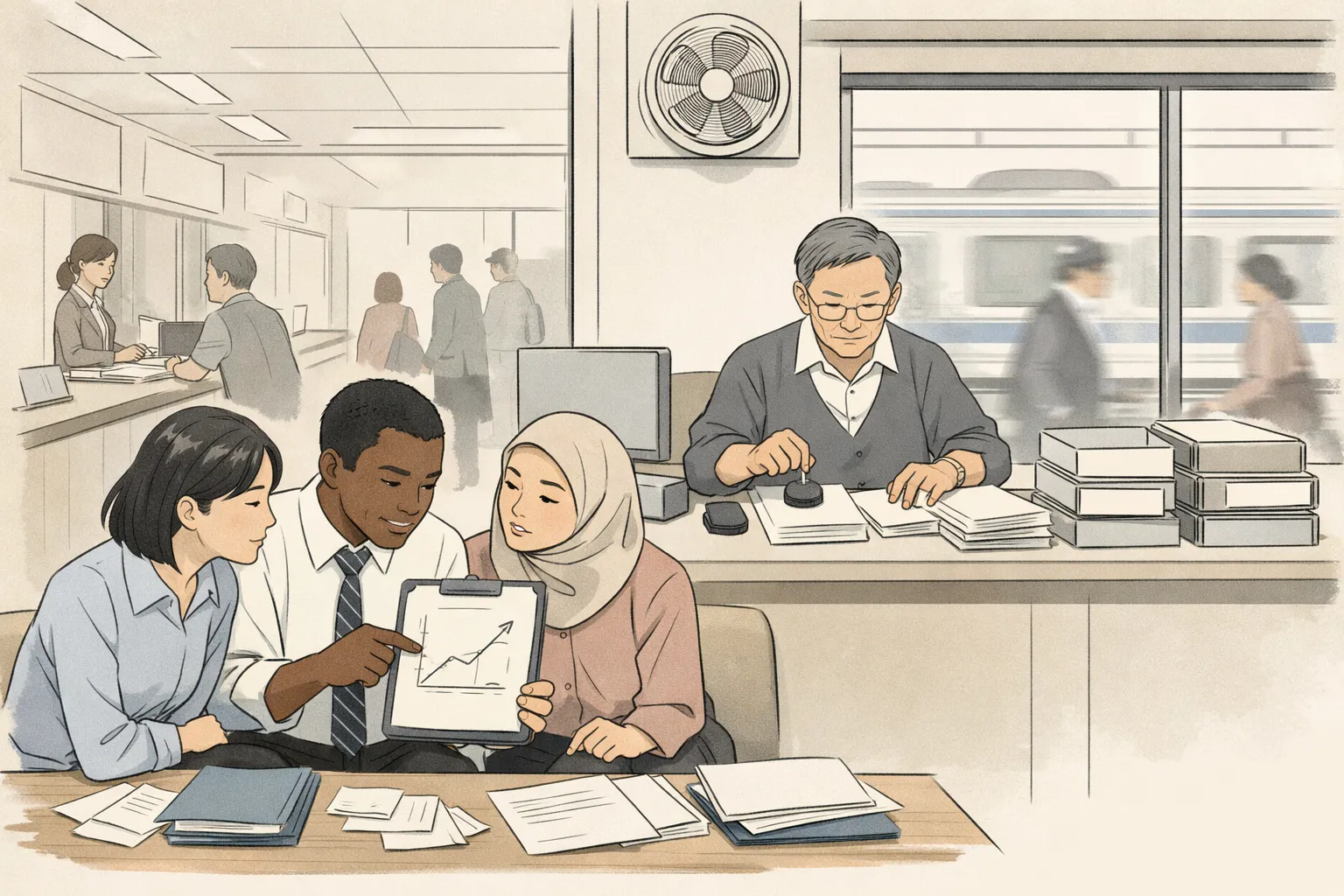





















 COLUMN CATEGORY