
 03-6222-9855
 Guide to Working in Japan
 History
 About this site
 Login


 About this site
 Contact
It is important to create a study plan that considers time and cost, and aligns with your goals.
Common Mistake: Do not lose sight of the purpose of obtaining qualifications.



In recent years, the Nepalese employment situation in Japan has shown significant changes. The motivations for aiming for employment among Nepalese include the economic situation in their home country and the demand in the Japanese labor market. In Nepal, the average monthly income is around 20,000 to 50,000 yen, and many young people are choosing to seek employment abroad for better income and a stable life. (Reference: jinzaiplus.jp)
On the other hand, in the Japanese labor market, due to the progress of declining birth rates and an aging population, the demand for foreign workers, including Nepalese, is increasing. Particularly in fields such as nursing, food service, construction, manufacturing, and agriculture, there is a growing trend of Nepalese employment. For example, as of the end of 2023, the number of Nepalese with specified skilled worker visas reached 5,383, showing a 46.5% increase compared to the previous year. (Reference: back-end.co.jp)
Against this backdrop, the provision of Nepalese employment support through dormitory and housing support with furnishings is gaining attention. Arranging housing is a crucial element in the employment activities of Nepalese, and it can be a significant help, especially for those starting to live in Japan for the first time, in establishing a stable living foundation. Dormitory and housing support with furnishings may contribute to improving the retention rate of Nepalese after employment and reducing initial costs.
However, the effectiveness of housing support on the employment retention rate and initial costs for Nepalese individuals varies depending on individual circumstances and the support systems of companies, so it is important to view it as a general trend. To confirm specific effects, it is beneficial to refer to the initiatives and achievements of each company and support organization.

It is important to understand the employment situation of Nepalese individuals and the characteristics of dormitory and housing support with furniture, but please be cautious about the accuracy of information sources and data. Additionally, since results may vary depending on individual circumstances and the support provided by companies, it is advisable to avoid generalizations. It is essential to check specific cases.
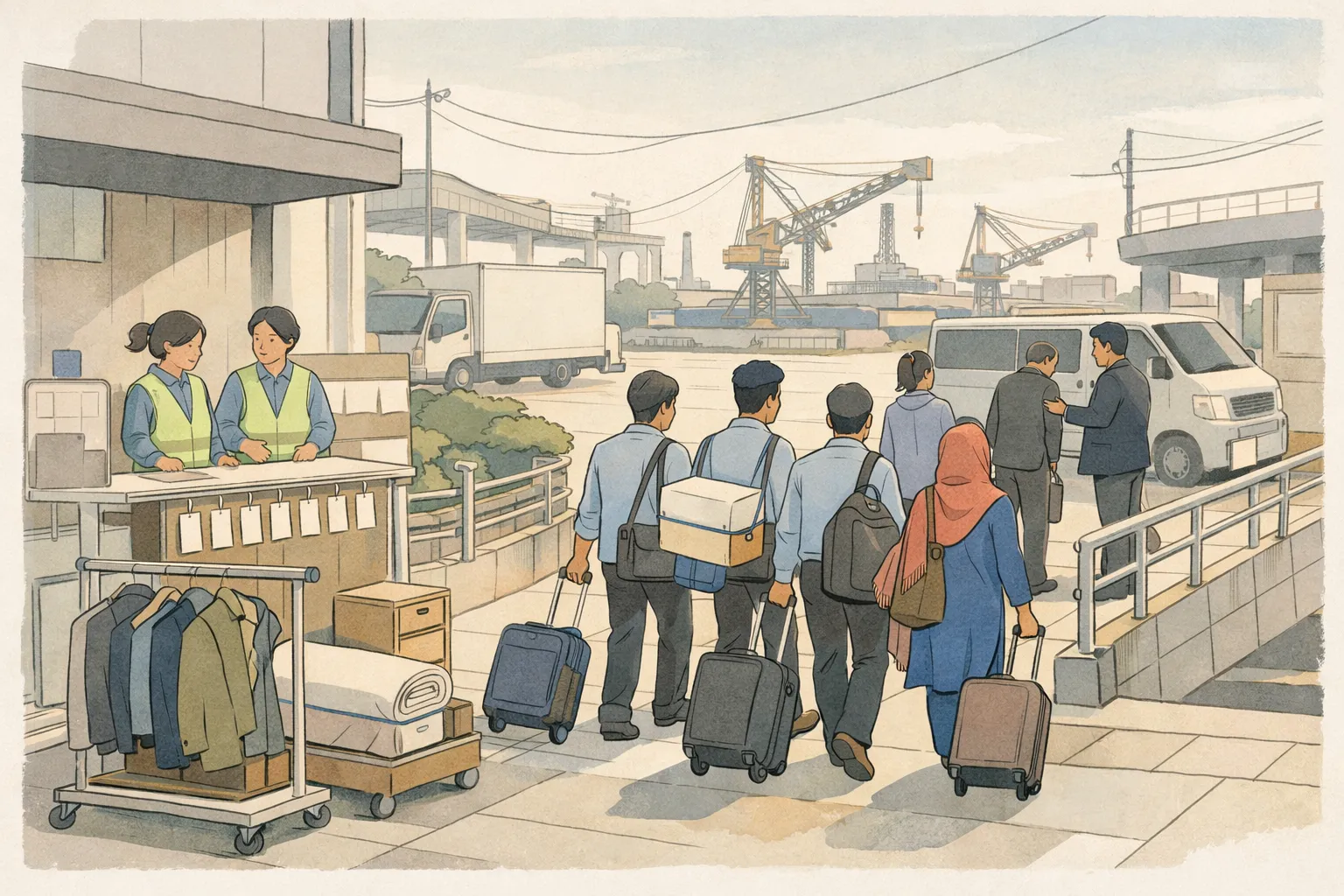
The Role of Nepalese People in the Japanese Labor Market
The Restaurant Industry
Reasons for High Demand:In Japan's restaurant industry, labor shortages are becoming serious. In particular, customer service skills and language proficiency are required. Nepalese people are proactive in learning Japanese and are appreciated for their respect for Japanese culture and manners. These factors are increasing the demand in the restaurant industry.
Valued Strengths:Nepalese people are known for their diligence and cooperativeness, and are considered to have a high willingness for continued employment. These traits contribute to their long-term success in the restaurant industry.
The Hospitality Industry
Reasons for High Demand: In the hospitality industry, labor shortages are prominent. These factors are increasing demand in the hospitality industry. These characteristics contribute to long-term success in the hospitality sector.
Care Industry
Reasons for High Demand: In Japan's care industry, labor shortages are becoming serious. In particular, knowledge and skills as STEM professionals are in demand. Many Nepalese have received education in STEM fields, are proactive in learning Japanese, and their attitude of respecting Japanese culture and manners is highly valued. These factors are increasing demand in the care industry. These characteristics contribute to long-term success in the care sector.
Manufacturing Industry
Reasons for High Demand: In the manufacturing industry, labor shortages are becoming serious. These factors are increasing demand in the manufacturing industry. These characteristics contribute to long-term success in the manufacturing sector.
IT Industry
Reasons for High Demand:In the IT industry, knowledge and skills as a STEM professional are required. These factors increase the demand in the IT industry. These characteristics contribute to long-term success in the IT industry.
Trade Industry
Reasons for High Demand:In the trade industry, language skills and international awareness are required. Nepalese individuals possess the ability to use Japanese and English fluently, and their attitude of respecting Japanese culture and manners is highly valued. These factors increase the demand in the trade industry. These characteristics contribute to long-term success in the trade industry.

In the Japanese labor market, Nepalese people are in demand in various fields such as dining, accommodation, nursing care, manufacturing, IT, and trade. Their language skills, diligence, and teamwork are valued, and these traits support their long-term success.
Reference: Accommodation for International Students | Student Life | Niigata University
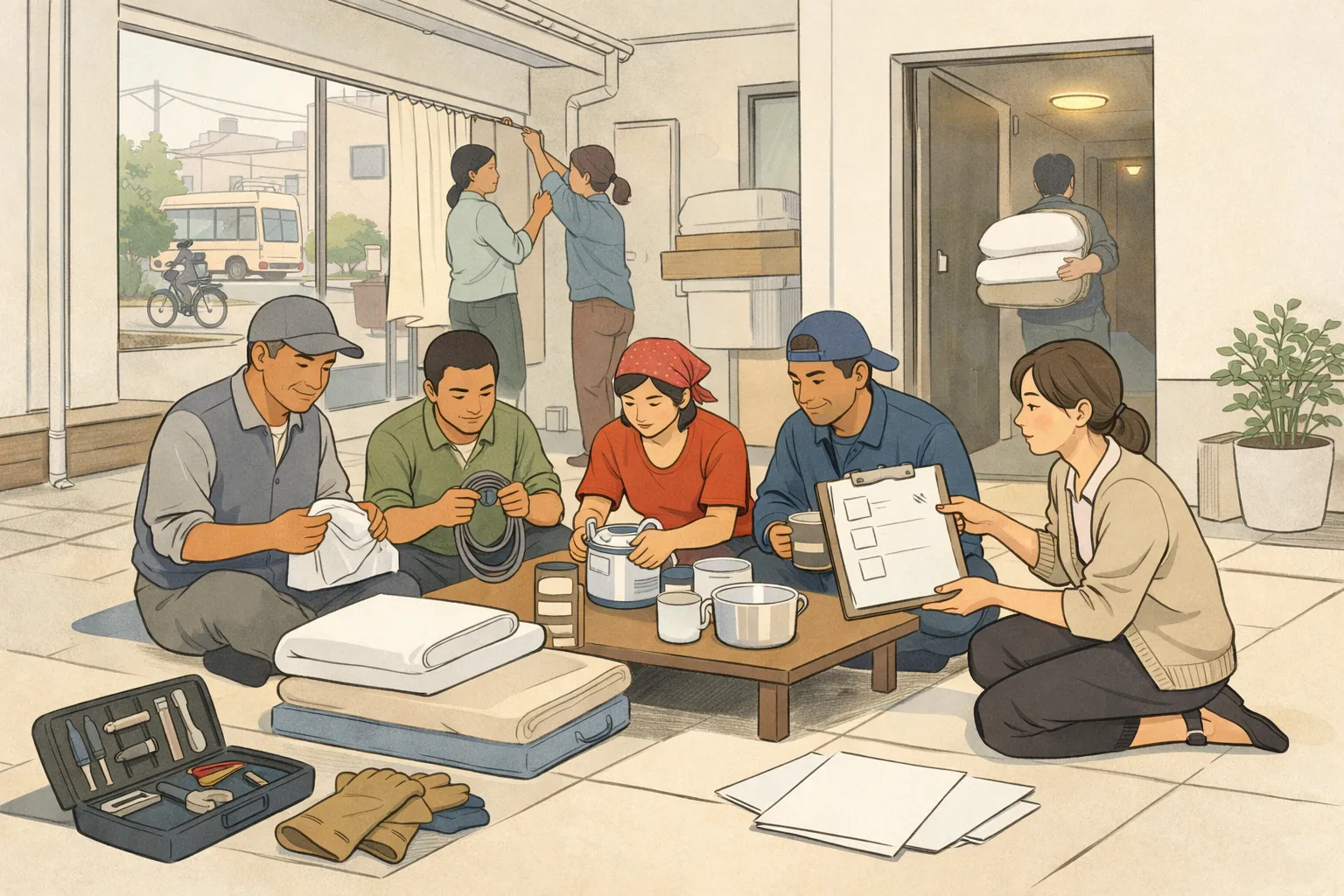
When Nepalese people seek employment in Japan, it is necessary to acquire specific qualifications and skills. Here, we will introduce qualifications and skills that are directly linked to employment by industry and explain how to prioritize acquisition and create a study plan.
In the dining industry, customer service aptitude and Japanese language proficiency are important. Specifically, obtaining the JLPT (Japanese Language Proficiency Test) is key. Additionally, skills related to hospitality are also beneficial. Similar skills are required in the accommodation industry, and obtaining the Hygiene Manager Qualification and Care Worker Initial Training is valued.
In the nursing care industry, skills certification is required, which is particularly advantageous for Nepalese individuals with a background in science and engineering. In the manufacturing industry, basic IT qualifications and a driver's license are often required, and skills in machine operation and logistics management are also important.
In the IT industry, programming skills and network management qualifications are highly valued, and English proficiency is also necessary. In the trade industry, language skills, particularly the application of Japanese and English, are emphasized.
The priority for obtaining these qualifications is determined based on time, cost, and the effects gained. Specifically,
A common mistake is forgetting the purpose of obtaining qualifications. In the effort to acquire too many qualifications, one may stray from their career goals and interests, so caution is necessary. Especially when it comes to employment in Japan, it is also important for Nepalese to consider workplaces that offer dormitory or housing support to assist with rent and living conditions. A suitable living environment can also impact job performance.
For Nepalese seeking employment in Japan, qualifications specific to each industry are important.
It is important to create a study plan that considers time and cost, and aligns with your goals.
Common Mistake: Do not lose sight of the purpose of obtaining qualifications.
Reference: Student Dormitories and Housing | Campus Life | Meikai University
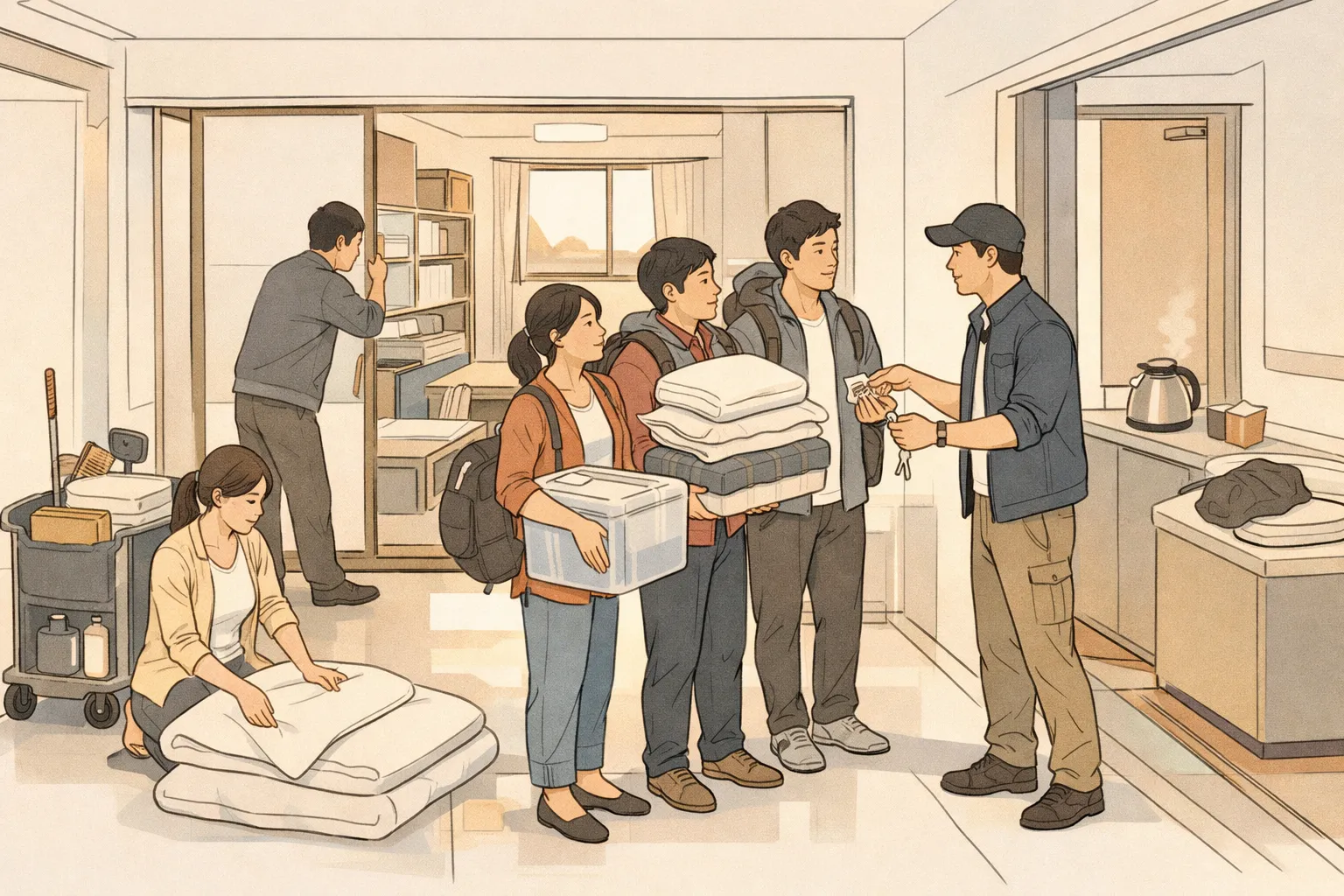
In recent years, when Nepalese aim for employment in Japan, dormitory and housing support and furnished accommodations have become increasingly important. This is largely due to the significant reduction in initial costs. For example, when searching for a house, expenses such as key money, security deposits, and contract fees can accumulate, sometimes reaching several hundred thousand yen in total. As Nepalese decide to pursue employment in Japan, options that provide dormitory and housing support to cover these initial costs are very attractive.
Additionally, the issue of guarantors cannot be overlooked. It is common in Japan for a guarantor to be required when signing a rental contract. For Nepalese who do not have relatives or acquaintances in Japan, this requirement can be a barrier to employment. However, in the case of dormitory and housing support, such guarantors are often not required, allowing for quicker access to housing. This enables Nepalese individuals to adapt to their new environment more swiftly.
Furthermore, language can also be a barrier. The procedures for rental contracts and choosing accommodations can be complex, often making it difficult for those who are not familiar with Japanese. However, in furnished accommodations with dormitory and housing support, it is common to receive assistance tailored to the needs of residents. There may also be staff available who can provide significant help, making it easier to overcome language barriers.
Currently in Japan, Nepalese people are seeing an increase in employment opportunities, and as a result, the options for housing are also diversifying. From a different perspective, the screening process and speed of moving in should also be considered. Typically, the screening for rental contracts takes time, but with options that include dormitory and housing support, there are many cases where you can move in quickly. This is a very valuable factor for starting life smoothly in a new workplace.
In establishing a life, preparing housing is the first step. When Nepalese people achieve employment in Japan, it is necessary to quickly establish a living foundation. Furnished housing is very helpful when starting life in Japan for the first time. This allows for immediate preparation to start living, which will positively impact performance at work.
In the employment of Nepalese people in Japan, options such as dormitory and housing support or furnished housing offer advantages like reduced initial costs, no guarantor required, language support, and quick move-in. These contribute to a smoother start to a new life and improve the retention rate of Nepalese people.
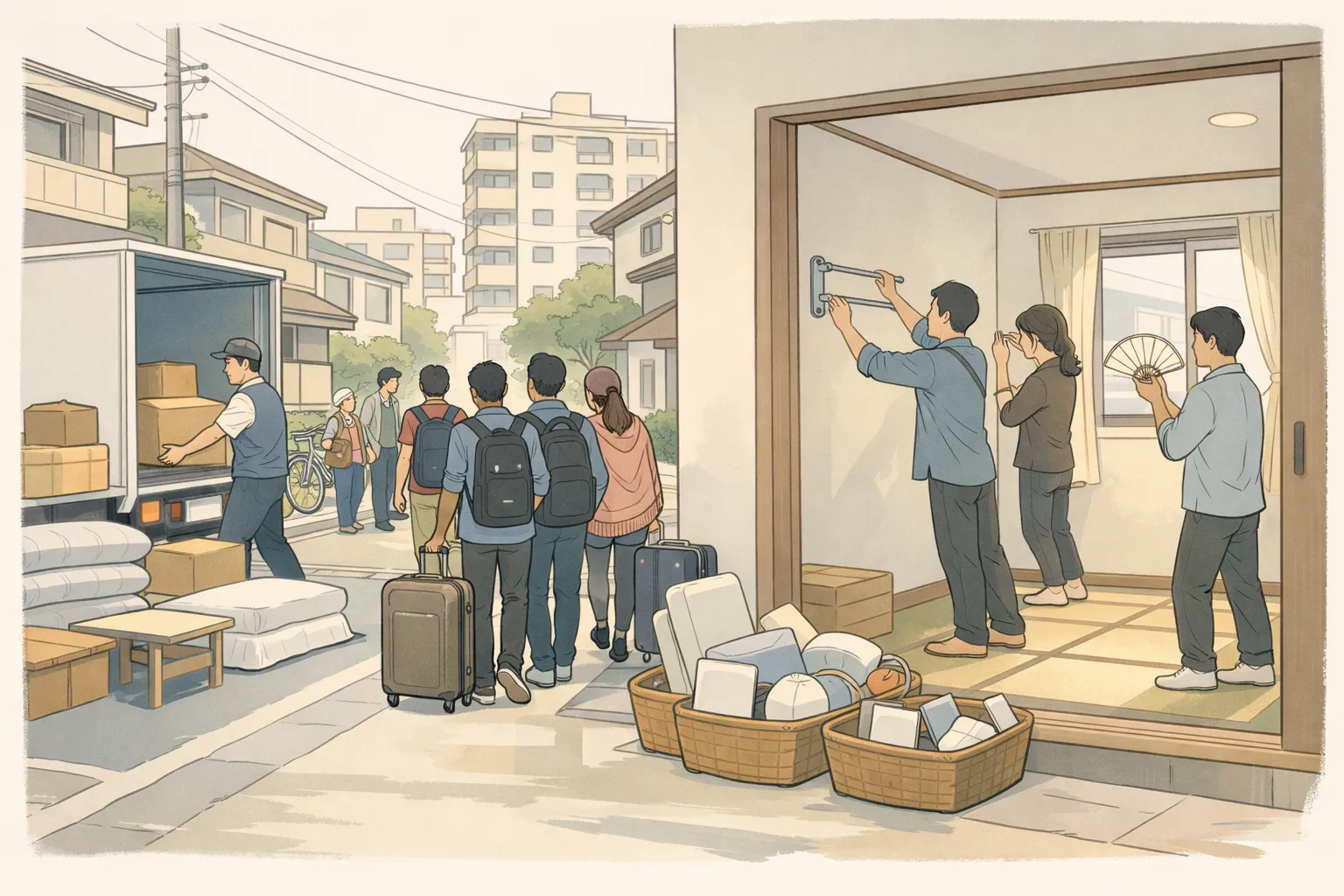
| Item | Description |
|---|---|
| Student Dormitory | A dormitory operated by a Japanese university, with low Japanese language requirements and reduced costs, but a higher difficulty in contract negotiation. |
| Employee Dormitory | Often provided by the employer as housing, with quick occupancy and usually furnished. However, employment at the company is required. |
| Share House | A type of communal living that is cost-effective, but often requires Japanese language proficiency. |
| General Rental | There is a high degree of freedom and the ability to choose a location, but it is often necessary to have a guarantor at the time of signing the contract. |
| Support from local governments/schools | In some regions, relocation support may be available, but the procedures can be complicated. |
| Use of a guarantor company | Even if it is difficult to provide proof of income, there is a possibility of moving in by using a guarantor company. |
For Nepalese international students, selecting housing options is very important for smoothly progressing in life in Japan. Each type of accommodation has different characteristics, and choices should be made with an eye toward life after employment. First, student dormitories are operated by Japanese universities and have low Japanese language requirements, but caution is needed due to the high difficulty of contracts. Next, company dormitories are provided by the employer and often come furnished, making quick occupancy an attractive point.
Additionally, share houses are a way to reduce costs through communal living, but a certain level of Japanese language ability may be required. Regarding general rentals, there is a high degree of freedom and a variety of options, but individual contracts are necessary, and it is common to have a guarantor.
Furthermore, there are ways to receive support from local governments and schools, and in some areas, special grants may be available, but it is necessary to consider that the procedures may take time. Finally, by using a guarantor company, there may be cases where occupancy can be considered even if income proof is difficult.
When choosing among these housing options, it is important to be aware of points such as residence cards, income proof, and renewal fees. This will allow Nepalese international students to enrich their lives in Japan.

Nepalese international students have various housing options, including student dormitories, company dormitories, share houses, private rentals, support from local governments or schools, and the use of guarantor companies. Each option varies in terms of cost, contract difficulty, and Japanese language requirements, and it is important to note that a residence card and a guarantor are necessary upon moving in. Let's enhance your life in Japan with the best housing choice.
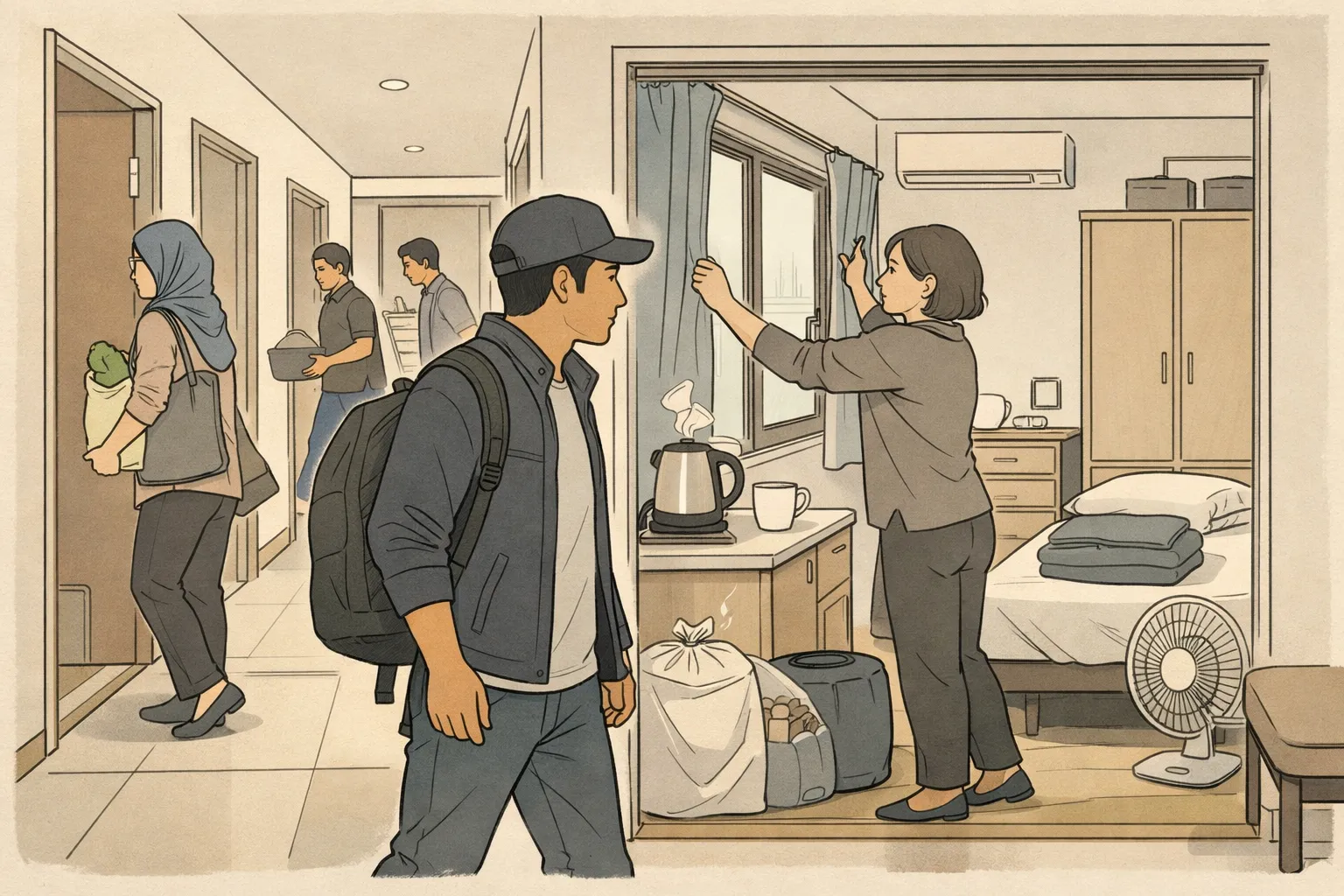
Furnished dormitories are particularly effective options for Nepalese individuals starting their lives in Japan. With essentials like a bed, refrigerator, washing machine, and Wi-Fi already provided upon moving in, a comfortable living environment is established right away. In such an environment, it is possible to smoothly start a new life, which is especially beneficial for those who lack confidence in the language.
However, furnished dormitories also come with disadvantages. Upon moving out, repair and cleaning costs may arise, which can be a concern if they become substantial. Additionally, due to the wear and tear of furniture and appliances, there may be instances where their condition is unsatisfactory. Furthermore, as part of the dormitory rules, there are restrictions regarding curfews, visitors, and noise, which may be inconvenient for those seeking a free and comfortable lifestyle.
When signing a contract, it is necessary to carefully check these points and understand the important contractual terms. In particular, for Nepalese individuals moving in after finding employment in Japan, understanding the rules regarding dormitory and housing support in advance is the first step towards improving future living conditions.
Furnished dormitories are convenient for starting life in Japan, as they come equipped with the necessary furniture for comfort.
However, it is important to carefully check the contract details in advance, as there may be high costs incurred upon moving out.
| Advantages | Disadvantages |
|---|---|
| Immediate start of life | High costs at the time of departure |
| Basic facilities are in place | Issues related to the condition of the facilities |
Reference: N1・N2 job search results | Job site for foreigners - Hataraku JAPAN (Page 2)
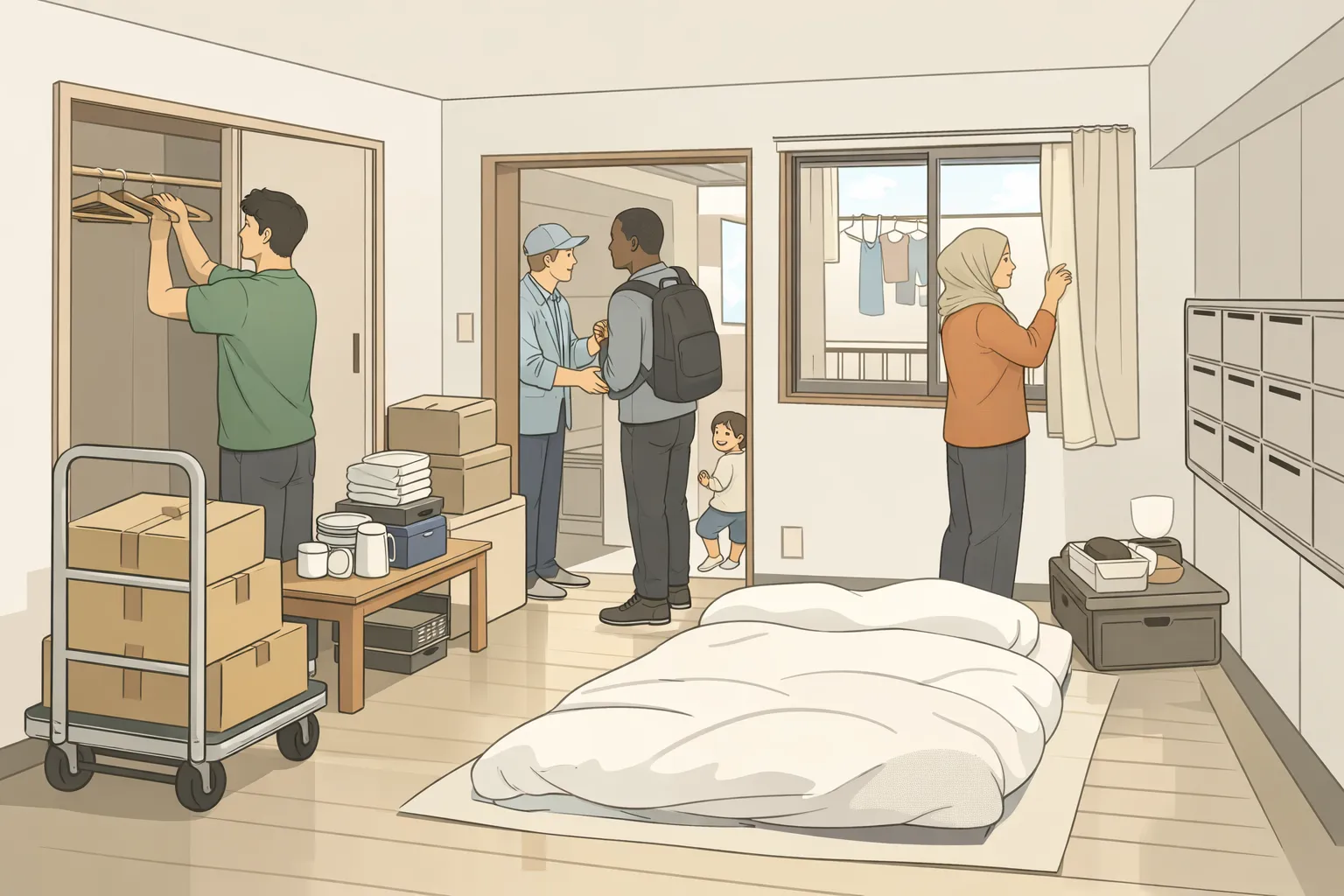
Furnished housing offers many advantages for Nepalese people in the early stages of employment. First, from a financial perspective, having a furnished residence allows for reduced initial investment. Typically, when signing a rental contract, expenses of several hundred thousand yen are required to set up appliances and furniture, but by choosing a furnished residence, such burdens can be alleviated. This enables Nepalese people to retain funds to start their lives without strain.
Next, there are time-related benefits. When Nepalese people need to quickly arrange their living environment after employment, a furnished residence allows for rapid move-in. By saving time on purchasing and setting up furniture, they can quickly create an environment conducive to focusing on work. For example, there is a case where a Nepalese person who secured employment in Japan was able to adapt quickly to the workplace and improve performance thanks to moving into a furnished residence.
Finally, the psychological aspect should also be noted. Living in a new country comes with many anxieties, but having a home set up quickly provides a sense of security. Compared to a situation where Nepalese people must prepare necessary furniture and appliances at their own expense, a furnished residence creates mental space. This positively impacts work performance and relationship building. The existence of a furnished residence is extremely valuable for positively embracing challenges in a new environment.
Furnished housing provides many benefits for Nepalese people in the early stages of employment in terms of finances, time, and psychology. It allows for reduced initial costs, quick move-in, and a sense of security, making it easier to concentrate on work, thus greatly assisting in the establishment of their lives.
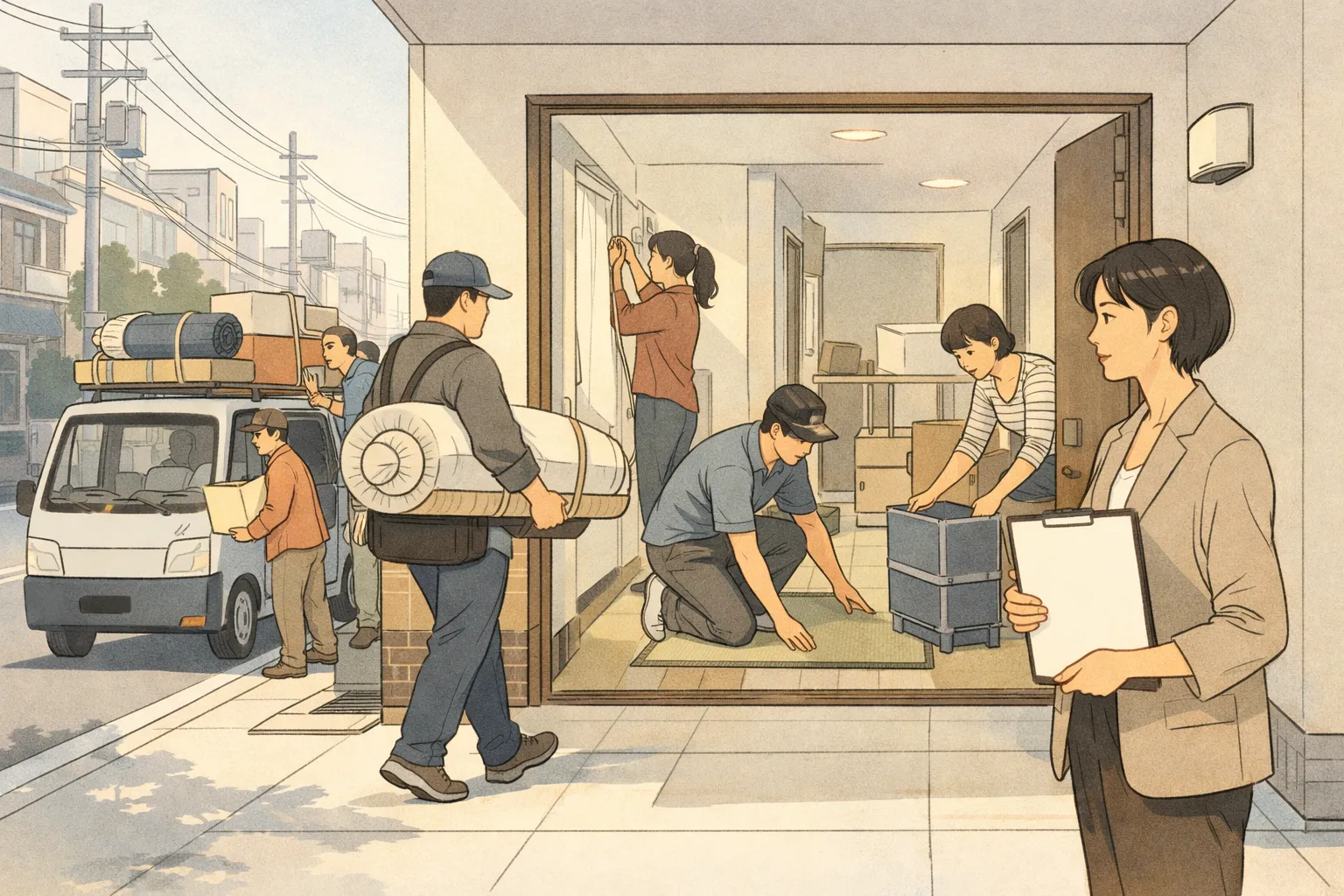
The Appeal of Furnished Housing Supporting Social Life
Furnished residences are an important element supporting social life, especially for working Nepalese. In starting anew, such as finding employment in Japan, a furnished living environment helps reduce stress and promotes a comfortable life. For example, having a cooking environment allows individuals to prepare their favorite meals, aiding in maintaining health. This helps establish a regular lifestyle and contributes to improved work performance.
Furthermore, in residences equipped with a washing machine, it becomes easier to maintain one's appearance. It is essential to maintain a sense of cleanliness when working. For Nepalese to succeed in finding employment in Japan, appearance is an important factor, and a furnished living environment supports this.
Additionally, having a Wi-Fi environment is indispensable. This facilitates smooth administrative procedures and communication with family. Especially in daily life in Japan, online information gathering and communication must be conducted regularly, and a furnished residence provides a foundation for efficiently carrying out these tasks. With such an environment in place, the stress of job hunting and social life for Nepalese is alleviated.
Ultimately, a list of essential furniture and appliances that would be helpful is as follows.
In this way, furnished residences are fundamental elements that support the job search and social life of Nepalese people, and are essential for a comfortable living.
Furnished housing plays an important role in the employment and social life of Nepalese people in Japan. With a cooking environment, washing machine, and Wi-Fi available, it becomes possible to maintain health and grooming, as well as facilitate efficient communication. This leads to an improved quality of life and enhanced job performance.

A high-quality living environment is a very important factor, especially for Nepalese considering employment in Japan. Here, we will delve into the elements that specifically constitute the quality of the living environment in a Q&A format, and also explain how to verify details when an in-person viewing is not possible.
Crime prevention is one of the key points to keep in mind when living in Japan. Japan is a safe country, but the quality of safety varies depending on where you live. Specifically, it is important to check the brightness at night and the security information of the neighborhood. If possible, it is also a good idea to check the transportation around your residence once.
Noise is also a factor that affects the quality of the living environment. The comfort of life differs between a quiet residential area and a bustling downtown. If there is a mention of "soundproofing facilities" in the contract, it can be checked in advance.
Commuting should also be a point to consider. If commuting time is prolonged, stress accumulates in overall life. By checking the available transportation information and the actual distance and travel time, you can choose a more comfortable lifestyle.
A sense of cleanliness is a very significant factor in daily life. By paying attention to the cleanliness of shared areas and the surrounding environment, you can keep your own living space clean.
In communal living, the management of common areas cannot be overlooked. By choosing properties with cleanliness of shared facilities and well-established usage rules, it is possible to achieve a less stressful life.
It is advisable to research the responsiveness of the management company or manager regarding the management system in advance. Referring to reviews and testimonials can sometimes provide actual details, so it is recommended to conduct a multifaceted investigation.
The status of support for foreigners is also a point that should be checked. Especially when seeking employment in Japan, it is important to verify whether the housing management is adequately supporting foreigners to ensure peace of mind.
When living in Japan, safety measures during disasters are an important factor. In particular, it is essential to check whether there are earthquake-resistant designs and evacuation guidance, and to raise awareness about living safely.
If you cannot view the property in person, you can understand the actual condition of the property by checking photos and videos. By closely reading the conditions stated in the contract, you can also obtain information to avoid unexpected troubles. Additionally, referring to reviews from other residents can be effective in gaining insight into the real living environment.
In this way, for Nepalese aiming to find employment in Japan, securing a high-quality living environment is an important step that brings peace of mind. You will be able to live comfortably in a furnished environment with ample dormitory and housing support.
For Nepalese aiming to find employment in Japan, a high-quality living environment brings a sense of security. Important factors include safety, noise, commuting, and cleanliness, and when an in-person viewing is not possible, it is effective to refer to photos, contracts, and reviews.
| Factors | Verification Methods |
| Safety | Research local security information |
| Noise | Observe Surrounding Sounds |
| Commute | Research Transportation Options |
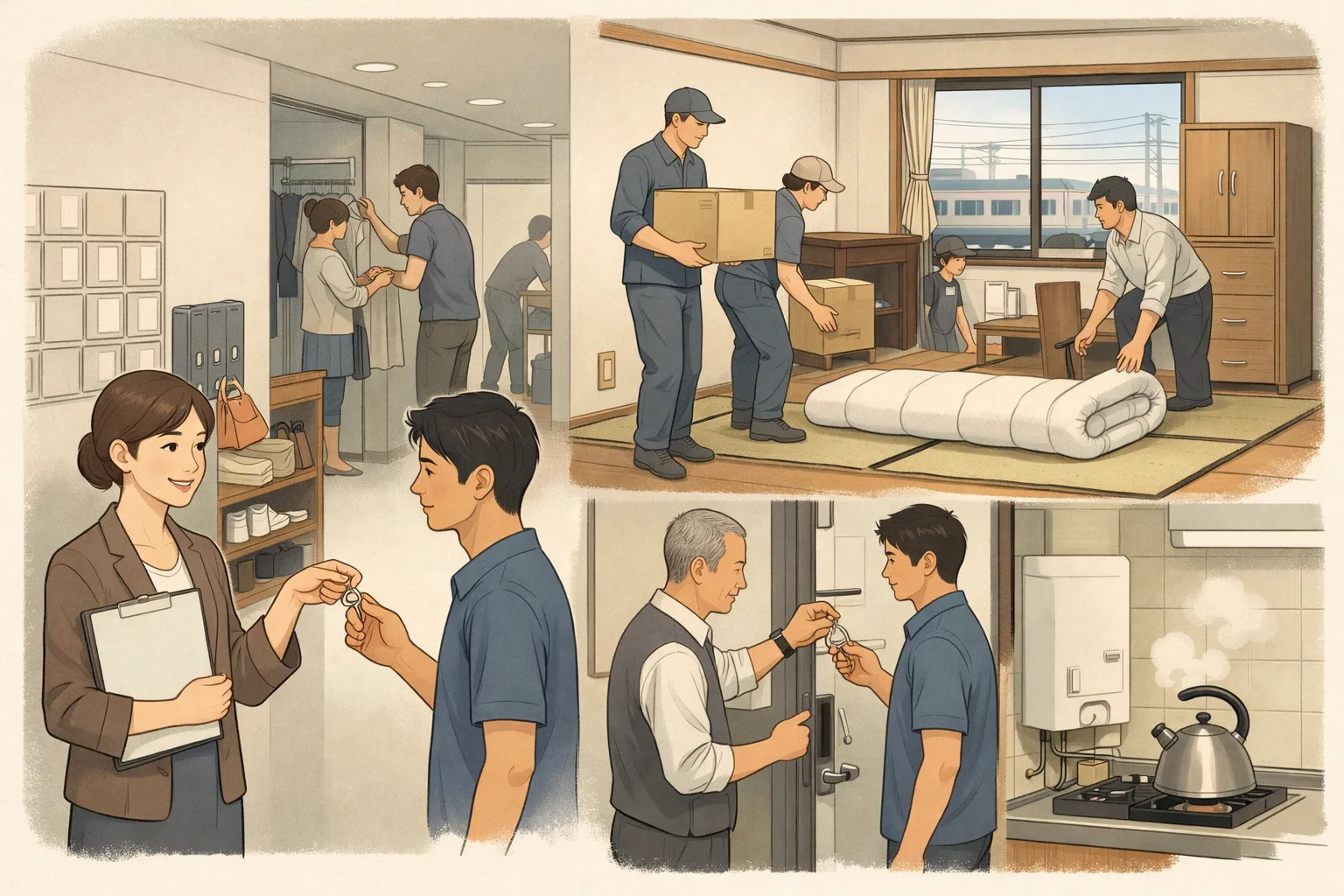
The purpose of this chapter is to present how to effectively use "dormitory and housing support" throughout the process from job hunting to after joining the company. It organizes the procedures, documents, and negotiation points, bridging to the next H3 (individual/company side).
Nepalese people attempting to find employment in Japan must pay particular attention to how to utilize "dormitory and housing support". By properly leveraging this support, the risk of failure can be reduced, leading to a smoother transition into the company. This chapter will organize the procedures, document preparation, and negotiation points.
First, the choice of dormitory and housing support is a very important factor. Specifically, it is necessary to check the details of the contract and promptly submit the required documents. Many employers often arrange short-term housing for Nepalese people, but it is crucial to make a choice that fits one's own needs. In particular, if the housing is furnished and already equipped with furniture, it can reduce initial costs and allow for a more relaxed approach to job hunting.
Next, regarding negotiation points at the time of moving in. In the first experience of living in Japan, negotiations can often be difficult due to language and cultural differences. The key here is to clarify what you want to say and the conditions in advance. On the documentation side, it is necessary to grasp the required information and prepare to proceed with the procedures smoothly. For example, utilizing reliable support to fully understand the contents of the rental agreement is also a good method.
Additionally, when Nepalese people decide on housing in Japan, having a community with people from the same country can also be a great help. This will make life after moving in more secure. Furthermore, choosing housing options that offer ongoing support can help prevent troubles after joining the company.
Taking the above points into consideration, effectively utilizing housing support can enhance the job search activities of Nepalese individuals and improve their lives after joining a company. Since housing is a source of comfort, choosing it carefully will lead to success.
💡 Points
Make sure to fully understand the contents of the contract and utilize reliable support. It is especially important to seek advice in advance if you have concerns about the language.
For Nepalese individuals to succeed in finding employment in Japan, it is important to effectively utilize "housing support." By understanding the contract details and preparing necessary documents early, they can ensure a smooth transition into life after joining the company. Having a community can also enhance their sense of security.
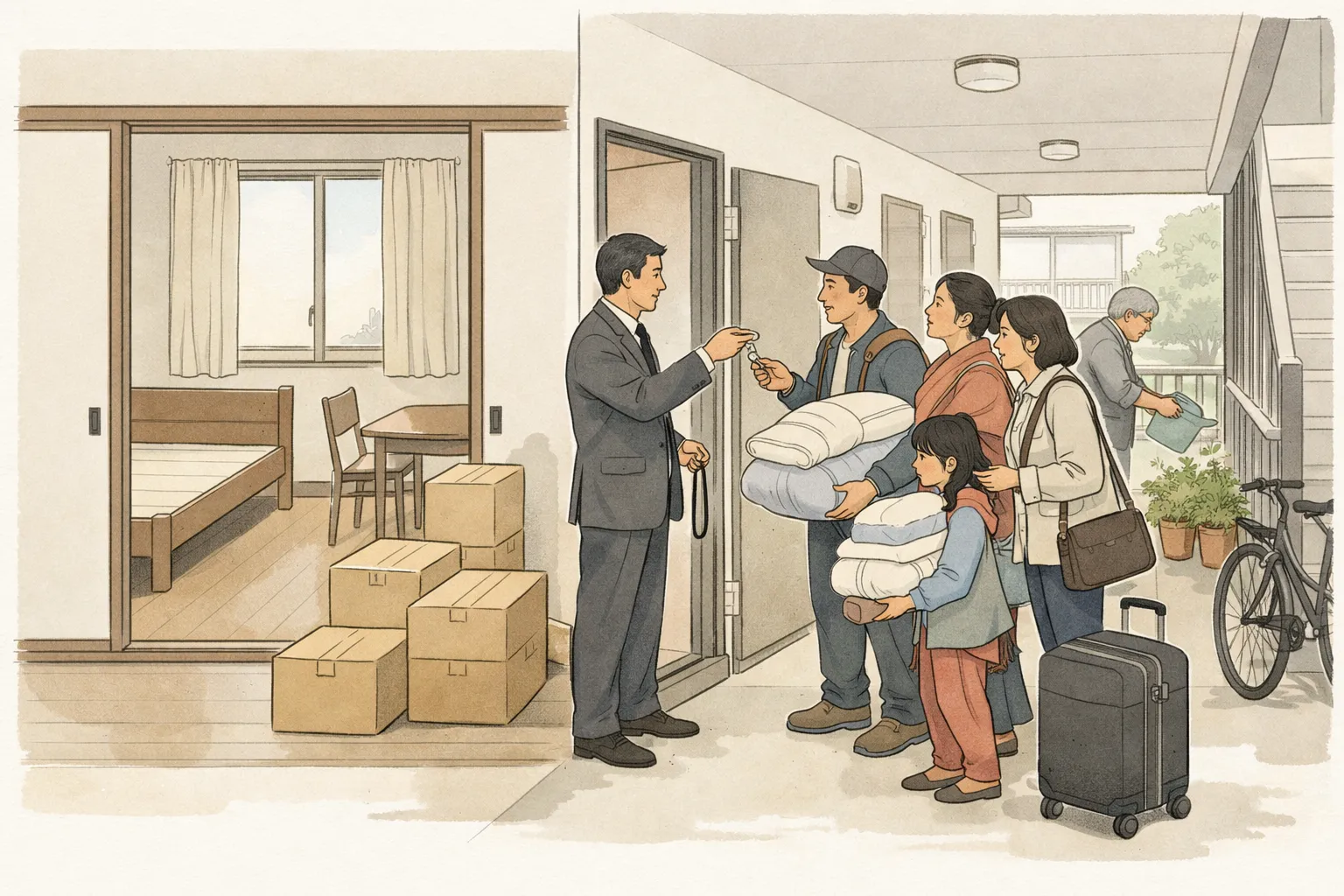
For Nepalese people to find employment in Japan and integrate into the local community, residential support is essential. In particular, options with dormitory and housing support or furnished accommodations provide a sense of security even in a new area. To receive residential support, it is important to first know where to obtain information. You can gather information through the international student office at schools, foreign consultation desks at local governments, support systems provided by employers, or private services.
There are several steps involved in the process of receiving residential support. At the beginning of this process, necessary documents will be required. Generally, identification, residence card, and income verification are needed. After that, an assessment will be conducted by each service provider, and if deemed eligible, you can proceed to the contract. For those who feel anxious about the Japanese language, templates to convey necessary information can be helpful. For example, it is crucial to clearly state items such as "location confirmation" and "desired housing conditions."
To ensure the process goes smoothly, it is important to ask plenty of questions to the contact points or representatives providing information. By establishing a solid foundation before starting life in Japan, job hunting and the new lifestyle will become more enjoyable. Additionally, expanding your network through interaction with the local community is a significant benefit. It is essential to leverage your characteristics and culture as a Nepalese person to build good relationships with those around you.
Having an accurate understanding of residential support is the first step to enriching your life. By thoroughly gathering preliminary information and preparing the necessary documents, you can start your life in Japan with peace of mind.
For Nepalese people to lead a stable life in Japan, utilizing residential support is essential. Gather information from schools, local governments, employers, and private services, prepare the necessary documents, and proceed with contracts. Additionally, for those who are unsure about their Japanese language skills, communication templates can be helpful.

The dormitory system provided by companies is particularly important for Nepalese people when establishing a foundation for life in Japan. There are mainly three types of dormitories in Japan: single dormitories, leased company housing, and company-owned dormitories. Single dormitories are exclusively for singles, making it difficult to share with friends, but they are relatively inexpensive. Leased company housing is where the company enters into a rental agreement, and typically, the residents bear part of the rent. Company-owned dormitories are properties owned by the company and generally provide a more enriched living environment. These options differ in terms of salary deductions, regulations, and the cost burden on users.
The table below shows a comparison of each type of dormitory system. Based on this information, let's organize the important matters to confirm after interviews and job offers.
| Item | Description |
|---|---|
| Rent | Single dormitory is 10,000 to 30,000 yen/month, leased company housing is 30,000 to 60,000 yen/month, and company-owned dormitories vary by company |
| Utilities | Single dormitories are often included, while leased company housing is billed separately, and company-owned dormitories are based on contract. |
| Furniture and appliances | Single dormitories generally do not have them, leased company housing may be selectable, and company-owned dormitories usually come furnished. |
| Move-out costs | Single dormitories generally do not require them, leased company housing follows the contract, and company-owned dormitories depend on the company. |
| Co-habitation | Single dormitory is not allowed, company-leased housing depends on conditions, company dormitory is allowed |
During the interview, it is essential to ask specific questions based on this information. For example, it is important to ask, "Can the rent be deducted from my salary?" or "What are the utility costs?" Also, don't forget to confirm questions like, "Are there furnished rooms available?" or "What are the costs upon moving out?" During negotiations, it can be effective to politely ask, "Is it possible to lower the rent a bit?"
Finally, it is important to make choices that enrich your life while understanding compliance and various data. To live safely in Japan and smoothly advance your job search, it is necessary to thoroughly understand the options for dormitory and housing support and to be prepared to negotiate when needed.
In Japan's increasingly diverse **dormitory system**, there are options such as **single dormitories**, **leased company housing**, and **company-owned dormitories**. For Nepalese people to enjoy a smooth life in Japan, it is important to understand the rent, utility costs, availability of furnished options, and conditions upon moving out, and to negotiate accordingly.
| Item | Description |
|---|---|
| Rent | Approximately 10,000 to 60,000 yen/month |
| Utilities | Variable based on contract |
| Furniture and appliances | Basically furnished |
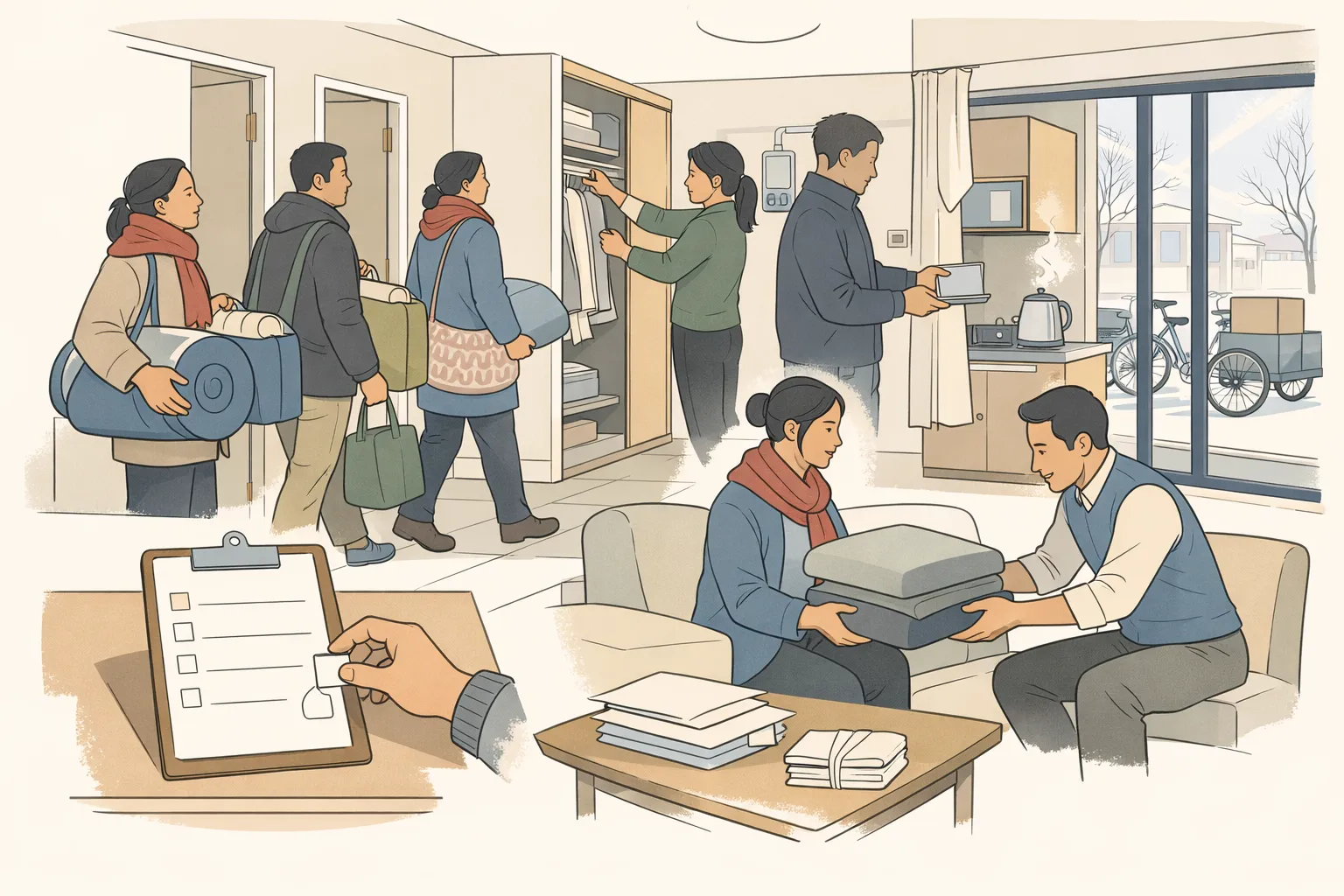
Advice for Nepalese Aiming for Employment in Japan
Nepalese need to focus on two main pillars for successfully finding employment in Japan: job searching and preparing for life. In particular, choosing options with dormitory and housing support is key to ensuring a smooth transition. Here, we will explain in detail about job searching and preparing the living environment.
First, when searching for jobs, it is essential to understand the skills and qualifications that Japanese companies are looking for. Residence status is particularly important, and by thoroughly researching options and conditions, you can find a job that suits you. Additionally, Japanese language skills are required, so improving basic conversational abilities is necessary. This will enhance your impression during interviews and allow you to stand out from other Nepalese candidates.
Next, in terms of preparing for life, it is important to actively seek job offers that include dormitory and housing support. In particular, choosing furnished accommodations can significantly reduce the burden after moving. You will be able to adapt to your new environment immediately without worrying about initial costs. It is recommended to carefully check the contract details before moving in and consult with the employer about any questions to prepare for any potential troubles.
Additionally, utilizing community and networks from your home country is a good way to overcome cultural differences. By connecting with other Nepalese, you can receive advice about life and gain emotional support. Such connections will enrich your life in Japan and will also be helpful for further job searching activities.
Finally, through these preparations, let's leverage our strengths as Nepalese and confidently start a new life in Japan. By understanding the living environment and necessary support, we can approach our job search with peace of mind.
"For living preparations, especially utilizing dormitory and housing support is key, allowing you to start your life comfortably while keeping initial costs down."

When Nepalese aim for employment in Japan, searching for job listings and utilizing dormitory and housing support is crucial. Improving Japanese language skills and understanding cultural differences will facilitate a smooth onboarding process. Choosing furnished accommodations, in particular, can help reduce initial costs and lessen the burden of living. Additionally, utilizing the community to connect with other Nepalese can also be beneficial.

By following the steps above, you can gather information from various sources. However, it is important not to apply for every job, but to choose the ones that are most suitable for you. When applying, prioritize and focus on the jobs that best match your conditions. Especially, the conditions of "dormitory and housing support" and "furnished" have a significant impact on our lives.
In this way, by strategically searching for jobs and focusing on conditions such as dormitory and housing support or "furnished" options, your job search in Japan should proceed more smoothly. Make sure to leverage your characteristics as a Nepali, gather information to find a workplace that suits you, and take proactive action.
When searching for job openings, it is important to thoroughly check the information according to your conditions. In particular, job listings with "dormitory and housing support" or "furnished" are common, so it is recommended to check the reputation and reviews of the companies you are applying to in order to understand their actual situation. Additionally, gathering information through networking is also important. This will help you make a good choice.
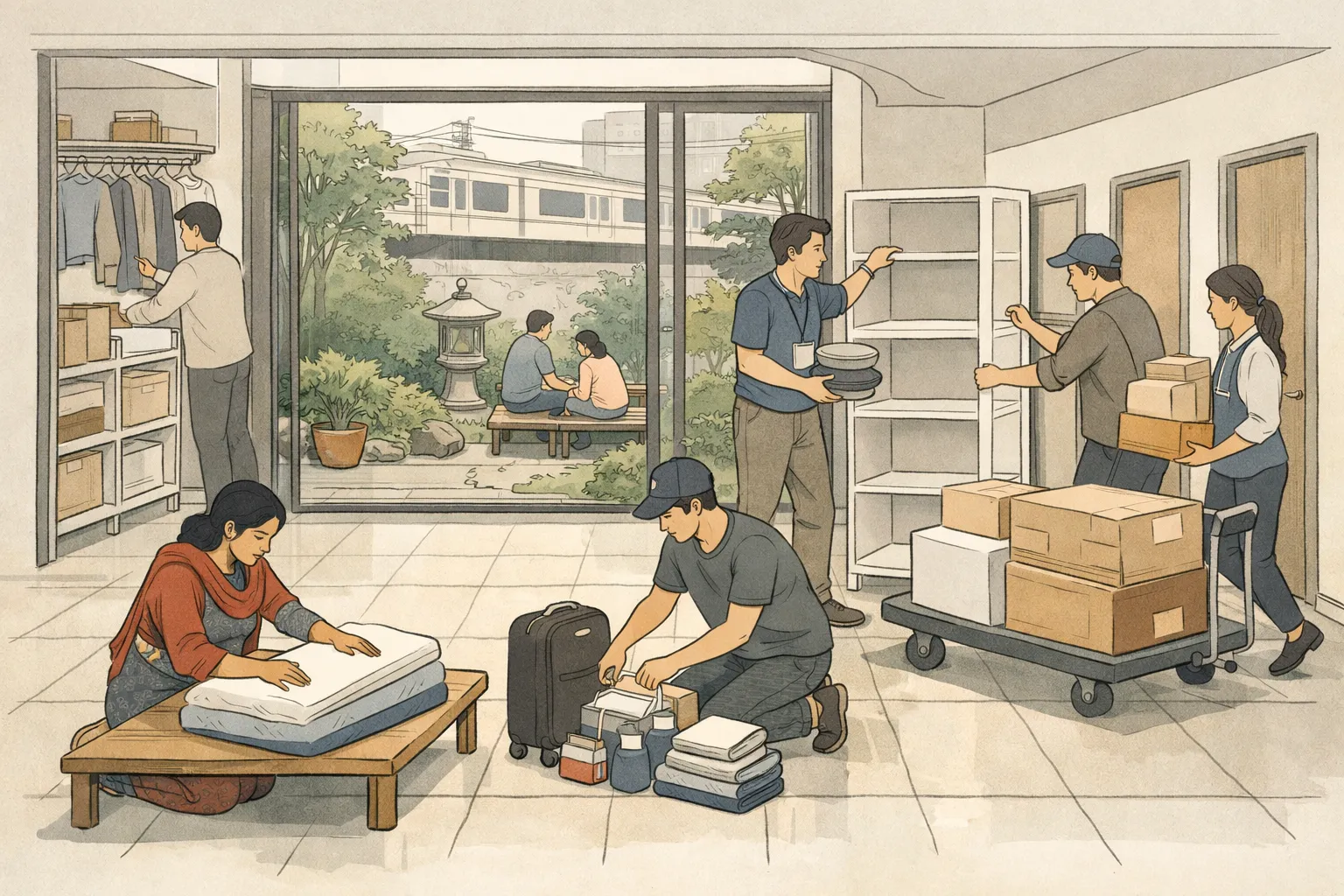
In dormitory life, it is important to follow the rules. Especially, make efforts to prevent noise and cleaning issues, as well as conflicts with other residents. To facilitate communication among Nepalese individuals, it is also good to establish common rules. By properly preparing and having the right mindset, life in Japanese society will become smoother and will help with support after employment.
In preparation for life in Japan, there are many necessary preparations before and after employment, such as resident registration, opening a bank account, and contracting a mobile phone. Be mindful of neighborhood manners and the rules for waste separation.
| Preparation Items | Details |
|---|---|
| Resident Registration | Procedures at the city or ward office |
| Bank account | Identification is required |
| Mobile contract | Secure communication means |
By having these preparations in place, life as a Nepali will become smoother.

Success Stories for Nepalese Working in Japan
For Nepalese aiming to find employment in Japan, it is important to consider specific factors for success. One success story is choosing job offers with "dormitory and housing support". This can significantly reduce initial costs and alleviate financial burdens. In particular, a furnished residence allows for immediate living arrangements after moving, greatly reducing the stress of transition. By having the necessary facilities in place from the start, it also promotes settling into the workplace.
Additionally, to work in Japan, a conducive environment for focusing on work is required. The option of "dormitory and housing support" is very helpful in establishing a living environment. With a solid foundation for living secured, one can ensure study time and invest ample time in acquiring Japanese and specialized skills. This is an important factor that contributes to one's career development in the long term.
Furthermore, by leveraging networks with other Nepalese, information regarding residency can be obtained in a short period. Choosing to live together creates an environment of mutual support, making it easier to share life wisdom and information. Such synergies lead to smoother job search activities.
To get accustomed to your new life, it is recommended to thoroughly check the contract details before moving in. Especially in the case of housing support, additional attention is required separate from the employment contract. If you have any questions about the contract details, it is essential to ask your employer and resolve any concerns. This will provide you with psychological reassurance, allowing you to face new challenges both mentally and physically.
💡 Tip
Choosing job listings with housing support helps reduce initial costs and build a secure living environment.
By choosing job listings with **housing support**, you can reduce initial costs and make it easier to establish your living environment. This will allow you to secure study time and prepare smoothly for **employment** in **Japan**.
| Element | Effect |
|---|---|
| Dormitory and housing support included | Securing a living foundation |
| Furnished | Relief from Moving Burdens |
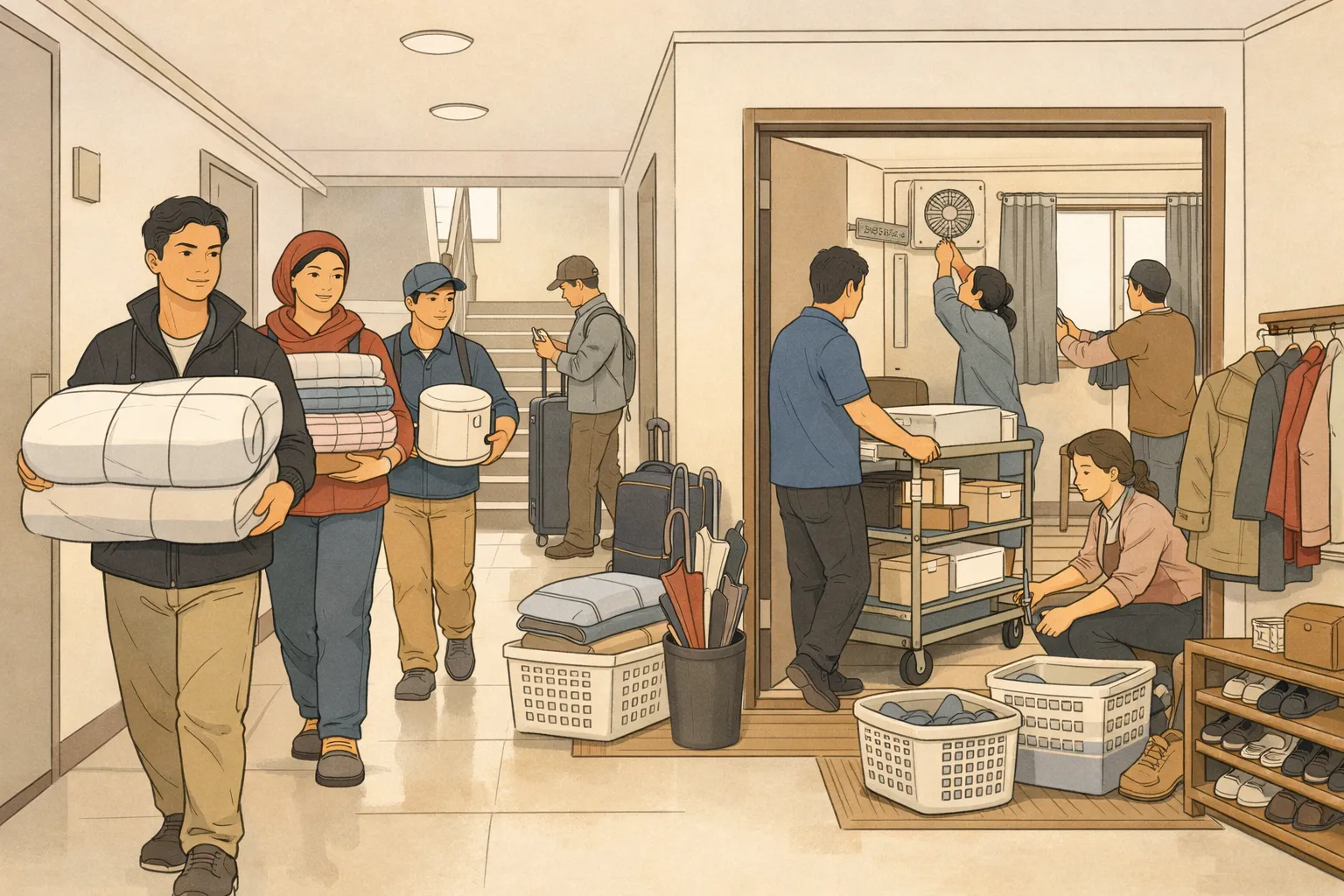
Success Stories and Lessons from Nepalese People
Case 1: Success in the Nursing Care Industry
Background:As Japan's population ages, there is a serious shortage of workers in the nursing care sector, necessitating labor from various countries. In response to this need, many Nepalese technical interns have been hired.
Challenges:The trainees particularly struggled with understanding Japanese and took time to adapt to the workplace. They also lacked knowledge about the unique customs and work processes of the Japanese nursing care industry.
Dormitory/Furnished Utilization:The nursing facility provided a dormitory and housing support living environment for Nepalese trainees. Furnished rooms were prepared, allowing them to establish a stable living foundation.
Innovations:We opened intensive Japanese language courses for the trainees and regularly provided opportunities to improve their communication skills. Additionally, we promoted interaction with other trainees to create opportunities for sharing experiences.
Results:Thanks to the improvement in their Japanese language skills and the acquisition of nursing techniques, the trainees became trusted members in the workplace. Efficiency in operations improved, allowing for the provision of high-quality services to more elderly individuals.
Learnings:The key to success was enhancing both support in daily life and Japanese language education. As intercultural understanding progressed, communication in the workplace became smoother.
Case 2: Success in the Restaurant Industry
Background: Japan's restaurant industry continues to grow rapidly, but labor shortages are impacting management. As a result, the hiring of young Nepalese individuals has increased significantly.
Challenges: Many Nepalese workers initially showed confusion due to a lack of understanding of the unique service styles and hygiene standards specific to the restaurant industry. There was a need to acquire customer service skills.
Utilization of Dormitories/Furnished Accommodations: Companies provided facilities with Nepalese worker support, offering comfortable living spaces with dormitory and housing support, equipped with necessary furniture. This reduced living costs and allowed for a more relaxed mindset.
Innovations: At the start of operations, training programs were established to teach restaurant etiquette and basics, along with role-playing for customer interactions. Additionally, experienced staff acted as mentors, providing daily support.
Results:The Nepalese workers who participated in the training program saw a significant improvement in their service skills. Store sales also increased, and the number of repeat customers grew.
Learning:It was confirmed that practical knowledge and skills can be acquired through the introduction of education and mentoring systems. We learned that appropriate support greatly contributes to success.
Case 3: Success in the IT Industry
Background:In Japan's rapidly evolving IT industry, there is a shortage of excellent engineers. As a result, Nepalese IT talent is gaining attention in the market.
Challenges:Time is needed to get accustomed to the corporate culture and workflow of Japan, and initially, it was difficult to integrate into projects. The language barrier was also a significant obstacle.
Dormitory/Furnished Utilization:The company provides a comfortable living environment with Nepalese engineers, offering dormitory and housing support, and furnishing necessary furniture to create an environment conducive to focusing on work.
Initiatives:Before starting work, the company conducted an orientation regarding internal systems and culture, and held workshops to provide the latest knowledge in technical areas.
Results:As a result of these efforts, Nepalese engineers adapted to their work in a short period and contributed to the success of the projects. Their evaluations within the company improved, setting an example for other foreign workers.
Learnings:It was found that comprehensive education before and after joining the company is effective in developing personnel who can work as immediate assets. The importance of the support system was also reaffirmed.
Actions to Imitate
- Support for living in Japan and Japanese language education will be provided without fail.
- By improving dormitories and living environments, we enhance the sense of security in housing.
- We will implement practical training and a mentoring system.
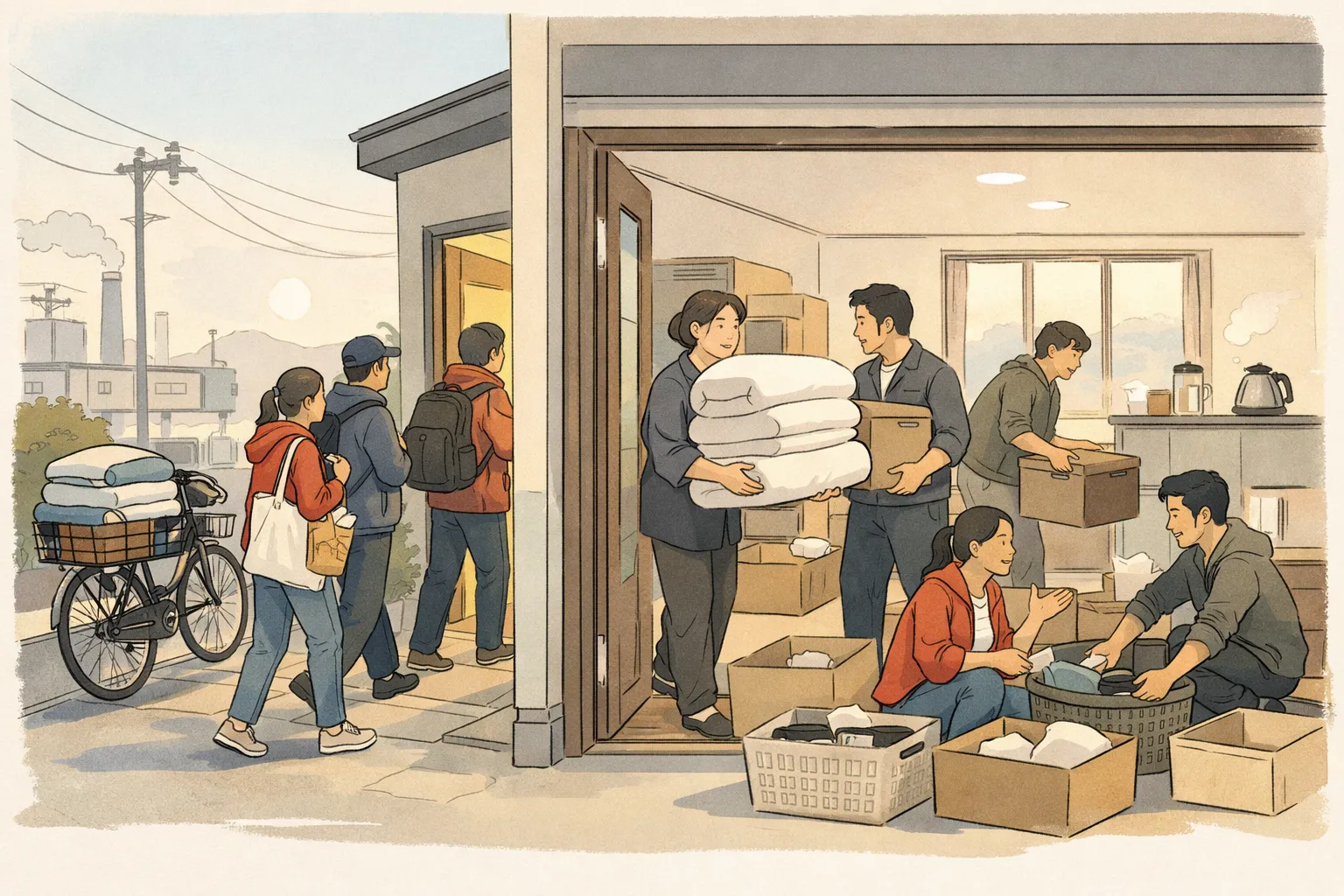
Nepalese People Challenging the Japanese Workplace Environment
The gaps faced by Nepalese working in Japan are diverse. In particular, challenges arise in areas such as Hōren-sō (reporting, communication, and consultation), punctuality, the use of honorific language, and understanding of tacit knowledge and evaluation systems. These are deeply rooted in Japanese workplace culture and present significant barriers for Nepalese adapting to a new environment.
On the other hand, there are measures to address these challenges. Specifically, it is important for companies to conduct thorough orientations for new employees and provide education on culture and business processes. By assigning specialized trainers and providing regular feedback, it becomes possible to smoothly integrate into the Japanese workplace environment. Additionally, by establishing living conditions with dormitory and housing support, opportunities for communication outside of work increase, helping to build better relationships.
Furthermore, it is also important to establish a harassment consultation desk within the company to provide a safe space for expressing opinions. By creating an environment where Nepalese can work with peace of mind, their performance will also improve.
Dormitory life contributes to the promotion of communication, but there are also points to be aware of. Furnished living spaces provide a stable foundation for life, but the mixing of cultures from different countries can lead to friction. As a countermeasure, implementing regular exchange events is effective. This promotes cross-cultural understanding and also leads to improvements in the workplace environment.
Nepalese people working in Japan face various cultural gaps, but with appropriate support, they can grow and achieve results. If an environment with dormitory and housing support is established, communication will be activated, and it will be possible to enrich life in Japan.
Understanding different cultures and communication are key. A stable living environment provided by dormitory and housing support promotes workplace adaptation and contributes to building smooth interpersonal relationships.


2026.07.30

2026.07.30


2026.08.03


2026.08.03

2026.08.03

2026.08.03

2026.08.03

2026.08.03

2026.08.03

2026.08.03
2026.07.30
2026.07.30
2026.08.03
2026.08.03
2026.08.03
2026.08.03
2026.08.03
2026.08.03
2026.08.03
2026.08.03
2026.07.30
2026.07.30
2026.08.03
2026.08.03
2026.08.03
2026.08.03
2026.08.03
2026.08.03
2026.08.03
2026.08.03
 COLUMN CATEGORY
We explain the types of work visas (such as Engineering/Humanities/International Services, Skills, etc.), the procedures for obtaining or changing residence status, the required documents and review points, and the flow of procedures that employers must handle.
We introduce guidelines for Japanese proficiency (JLPT, etc.), the language skills required by industry, study methods and materials, and how to prepare for Japanese in interviews and write language proficiency certificates.
We explain how to write a resume and work history documents for Japan (format and translation points), provide sample wording for self-promotion and reasons for applying, and show with concrete examples how to organize attached documents.
We explain salary benchmarks by industry, how to calculate take-home pay, overtime pay, how social insurance, pensions, and taxes work, and negotiation points such as welfare benefits and housing allowances.
We explain Japanese workplace customs (reporting and communication, hierarchy, teamwork), how to handle long working hours and take time off, measures against harassment, and how to map out career paths.
We introduce how to choose a job-change agency or job site, what to watch for when registering, interview scheduling and follow-up after an offer, and how to use free support services and event information.
We provide helpful information for Mongolians who are considering finding a job in Japan.
We provide helpful information for Nepalese who are considering finding a job in Japan.
We provide helpful information for Indonesians who are considering finding a job in Japan.
We provide helpful information for Vietnamese who are considering finding a job in Japan.
The JLPT N1 is the highest level of Japanese-language proficiency, and it is one of the strongest assets a foreign national can have when looking for a job in Japan. It proves you have the advanced Japanese skills needed in real business settings, opening doors to general and specialized positions as well as roles at major companies. In this category, we bring together job listings and career tips to help foreign nationals with N1 succeed in their job search in Japan.
The JLPT N2 is a practical level of Japanese-language proficiency that many companies use as a benchmark when hiring, making it a valuable asset for foreign nationals looking for a job in Japan. It proves you can handle not only everyday conversation but also business Japanese across a wide range of situations, greatly expanding your options—from office and administrative roles to many other positions. In this category, we bring together job listings and useful tips to help foreign nationals with N2 succeed in their job search in Japan.
The JLPT N3 shows that a foreign national has a solid, basic command of Japanese when looking for a job in Japan. It demonstrates that you can handle everyday conversation and simple work-related exchanges, so you'll find options well suited to a first job—such as roles you can start with no experience and on-site full-time positions. In this category, we bring together job listings and useful tips to help foreign nationals with N3 find a job in Japan.
RELATION COLUMN
\ Easy 30-second sign-up /
 2026.08.03
Comment from the author
Through the experiences of successful Nepalese individuals, it has become clear how important living support and education in the workplace are. We realize that these supports lead to their growth and success, and there is a need to create an environment where diverse talents can thrive in the future. It is important to grow together as members of Japanese society.