
 03-6222-9855
 Guide to Working in Japan
 History
 About this site
 Login


 About this site
 Contact
While there are advantages for Indonesians working in Japan, such as high salary levels and skill acquisition, there are also challenges like language and cultural barriers. Acquiring Japanese at the N2 level and utilizing consultation services can help mitigate difficulties in renewing residency status and changing jobs.
-

- Indonesians
- A Comprehensive Guide to Employment in Japan and the Conditions for Indonesian Permanent Residency
A Comprehensive Guide to Employment in Japan and the Conditions for Indonesian Permanent Residency
Indonesians
- 永住権
2026.08.03
Basic Knowledge for Indonesians Seeking Employment in Japan

To deepen the understanding of Indonesians seeking employment in Japan, it is important to first organize information related to "Japan", "Employment", and "Indonesians". The reasons many Indonesians wish to work in Japan vary widely, including the pursuit of stable jobs, career development, and cross-cultural experiences. However, obtaining a residency status and concerns about job responsibilities in a foreign country are real challenges in the job search process.
In the following chapters, we will provide detailed explanations of the types and methods of obtaining residency status, current trends in the hiring market, and specific conditions for Indonesians to obtain permanent residency in Japan. This aims to provide meaningful information for Indonesians themselves, the companies that accept them, and their families. By keeping technical terms to a minimum and explaining in easy-to-understand language, we strive to make it accessible to a wide range of readers.
We hope that the information to come will be useful for Indonesians in their job search activities and lives in Japan. Understanding the realities of the Japanese labor market will serve as a foundation for achieving a smooth employment. In particular, obtaining permanent residency will be a significant step towards a stable life, so it is important to apply the knowledge gained in practice.

Checkpoint
For Indonesians to find employment in Japan, it is important to understand residency qualifications, the job market, and the conditions for obtaining permanent residency. This information is useful for Indonesians seeking stable jobs and career development in Japan. We will minimize technical jargon and provide clear explanations.
The Role of Indonesians in the Japanese Job Market

We apologize, but the previous response contained duplicates. Below, we have created a new text that eliminates the duplicates.
The Role of Indonesians in the Japanese Job Market
In the IT industry, the Japanese job market is seeing an increasing demand for Indonesians. In particular, there is a growing demand for Indonesian IT talent in the Japanese job market. The demand for Indonesians in the IT talent sector is increasing in the Japanese job market. **Japanese employment
Here are the key points

In the Japanese job market, the important role of Indonesians is increasing. There is particularly high demand in the IT, manufacturing, and nursing sectors, with companies expecting young labor and multilingual capabilities. This has led to an increase in the hiring of Indonesians.
Reference: A comic explaining the conditions for Indonesians to obtain permanent residency in Japan
Advantages and Challenges of Indonesians Working in Japan

Benefits
- You can work at Japan's high salary levels, improving your standard of living.
- Because the local community is safe, it is easy to live with peace of mind.
- You can acquire advanced skills through your workplace, expanding your career advancement opportunities.
- Having an international perspective, I am blessed with opportunities to understand diverse cultures.
Disadvantages
- Due to the difficulty of Japanese, there may be obstacles in business communication.
- Cultural differences can make adaptation in the workplace challenging.
- The evaluation system is different, and efforts may not necessarily lead to results.
- There are many restrictions regarding the renewal of residency status and job changes, and the conditions can be strict.
While there are many advantages for Indonesians working in Japan, they also face various challenges. In particular, mastering Japanese for employment in Japan is important. Aiming for N2 level Japanese improves understanding of work tasks and facilitates communication in the workplace. Additionally, when communication within the workplace becomes smoother, career opportunities expand.
Cultural differences are also one of the challenges. Participating in seminars and networking events for cross-cultural understanding can lead to better communication. This can be expected to facilitate smooth workplace adaptation in the Japanese employment environment.
Regarding the restrictions on the renewal of residency status and job changes, you can obtain clear information by utilizing consultation services in advance. Expanding your network through activities in various support organizations and communities is also effective. Finding a reliable source for consultation will be key to reducing future anxieties.
In this way, it is important for Indonesians working in Japan to thoroughly understand the advantages and challenges and to take appropriate measures. By adopting an approach tailored to individual circumstances, you can achieve a better work experience.
Points
Let's deepen our understanding and take action!
The process for Indonesians to obtain permanent residency in Japan
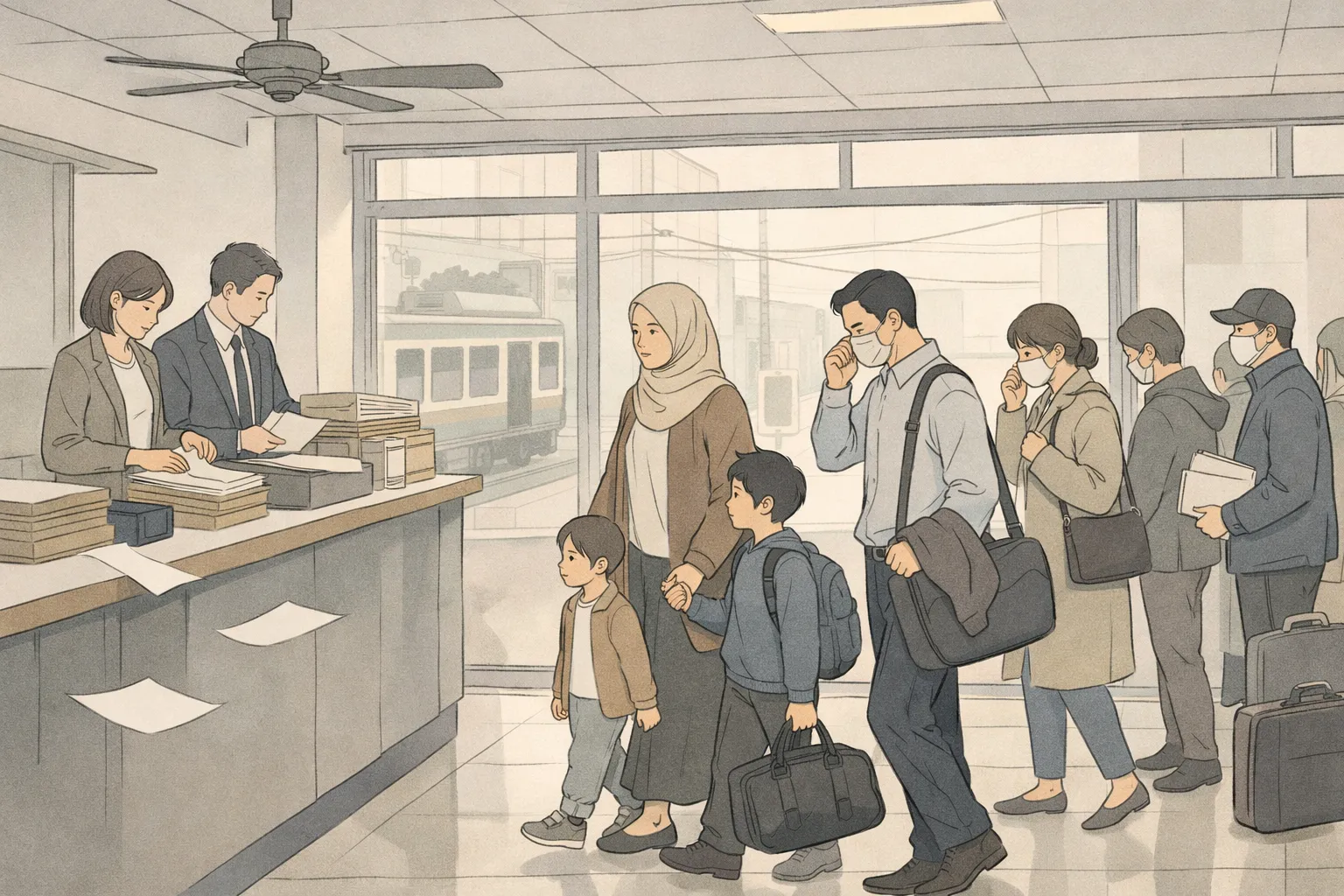
The process for Indonesians to obtain permanent residency in Japan consists of several steps. First, it is important to understand the positioning of permanent residency. Permanent residency refers to the permission to change to "Residency Status: Permanent Resident", which is different from general residency status. This change requires meeting certain conditions. Therefore, it is important for Indonesians working and residing in Japan to plan the path towards obtaining the important permanent residency that follows.
Next, let's take a look at the process after Indonesians find employment in Japan. First, obtaining the appropriate residency status through employment is the first step. After that, while fulfilling the labor contract, they continue their life in Japan and move on to the next stage of applications and preparations. Generally, it is required to stay in Japan for a maximum of 10 years, during which it is important to earn a stable income and pay the appropriate taxes. With these elements in place, the likelihood of being granted the application for permanent residency increases significantly.
It is also important to understand the difference between permanent residency and naturalization. By obtaining permanent residency, you gain the right to live permanently in Japan, but your nationality does not change. On the other hand, if you choose naturalization, you will acquire Japanese nationality and have full rights and obligations under Japanese law. Understanding this difference can clarify the path for Indonesians to choose.
Acquiring permanent residency in Japan is an important step towards achieving a stable life. In this process, multiple factors such as employment, residency period, and tax obligations are intertwined.
As mentioned above, a planned approach is required for Indonesians to obtain permanent residency in Japan. Starting with finding employment and building a stable life, understanding the subsequent process can lead to a smooth acquisition of permanent residency. Please use this information as a reference to enrich your life in Japan.
Checkpoints
The process for Indonesians to obtain permanent residency in Japan begins with acquiring a residence status through employment. A stable income and tax payments are required, and ultimately, an application for permanent residency can be made. It is important to understand the differences from naturalization and to take planned steps.
Conditions and necessary procedures for obtaining permanent residency in Japan

Conditions and necessary procedures for obtaining permanent residency in Japan
General requirements for permanent residency
To obtain permanent residency in Japan, the following requirements must be met.
- Good conduct: Compliance with laws and no socially reprehensible behavior.
- Possession of sufficient assets or skills to maintain an independent livelihood: Having a stable source of income and not being in financial distress.
- The individual's permanent residency is recognized as being in the interest of Japan: Contributing to Japanese society and aligning with the public good.
Additionally, as a general rule, a residence history of 10 years is required, of which at least 5 years must be under a work-related or residence-related visa. However, the study period is not included in these 5 years. Furthermore, proper payment of taxes, pension, and insurance premiums must be confirmed, and a guarantor is required.
Examples of necessary documents, application destinations, and estimated review periods.
For a permanent residency application, the following documents are generally required.
- Permanent Residency Application Form:Fill out the designated form.
- Photograph:Must meet the size requirement of 4cm x 3cm.
- Statement of Reasons:Describe the reasons for wishing to obtain permanent residency.
- Documents proving your identity relationship:such as family register and marriage certificate.
- Resident certificate:for all family members including the applicant.
- Documents proving employment:such as employment certificate and copies of tax returns.
- Documents proving tax, pension, and insurance payment status:such as resident tax payment certificate and pension payment status certificate.
- Documents proving assets:such as copies of bank passbooks and real estate registration certificates.
- Passport or Residence Qualification Certificate: Original to be presented.
- Residence Card: Original to be presented.
- Letter of Guarantee: Signed by the guarantor.
The application should be submitted to the Regional Immigration Bureau that has jurisdiction over your residence. The review period usually takes about 4 to 6 months, but in some cases, it may take over a year depending on the situation.
Common Reasons for Denial
The main reasons for the denial of permanent residency application are as follows:
- Unpaid taxes and pension contributions: If you have not fulfilled your tax obligations.
- Application immediately after changing jobs: If the period of stay under a work-related visa is short.
- Unstable income: If your income is low or unstable.
- Traffic violations or minor criminal history: If you have received a fine or a prison sentence.
Please note that the requirements may vary depending on your residency status and family composition. For details, please check the official website of the Immigration Services Agency.
Checkpoints
To obtain permanent residency in Japan, you need to meet requirements such as good conduct, independent livelihood, and compatibility with national interests. You must prepare various documents for the application and submit them to the local immigration office. The review usually takes 4 to 6 months, and unpaid taxes or sudden job changes may lead to disapproval. Additionally, the requirements may differ based on residency status and family composition.
Specific steps to obtain permanent residency through employment

Step 1: Start Job Hunting
First, aim for employment in Japan and look for job openings that match your skills and experience. Prepare your resume and work history, and also get ready for interviews. It is important to understand Japanese business etiquette here.
Step 2: Job Offer
Once you receive a job offer, you will sign an employment contract. Bring the necessary documents for your visa application, and you will need support from the company for registration. Depending on the industry, a high level of expertise may be required, so prepare to obtain the appropriate visa status.
Step 3: Obtain/Renew Visa Status
After receiving a job offer, you will apply for the necessary residency status, and once obtained, you will need to renew it. The type of residency status varies depending on the nature of your work, so it is essential to continuously maintain the residency status that matches your job responsibilities.
Step 4: Job Change / Salary Increase
As you gain more work experience in Japan and improve your skills, you will aim for a job change or salary increase. It is important that your income is stable and above a certain level. Depending on your residency status, changing jobs may be difficult, so caution is required.
Step 5: Tax, Pension, and Insurance Management
You will ensure proper payment of taxes, pension, and insurance to stabilize your financial situation. These are particularly important factors in applying for permanent residency. Always check your payment status to maintain a solid system.
Step 6: Permanent Residency Application
Once all conditions are met, you will apply for permanent residency and submit the necessary documents. Your residency history, income, and tax status are important points. It is required to prepare and submit the application documents accurately.
Step 7: Waiting for Results
You will wait for the results of your permanent residency application. The review period usually takes 4 to 6 months, but it may vary depending on individual circumstances. If your application is denied, it is important to understand the reasons and consider measures for your next application.
Obtaining employment and permanent residency in Japan is achievable through a step-by-step process. First, you need to start your job search, obtain a job offer, and then acquire and renew your residency status, as well as manage taxes and pension contributions. Through these steps, it is essential for Indonesians to establish a foundation for living in Japan and ultimately create an environment to apply for permanent residency. Understanding the key points and required conditions at each step and acting systematically will be the key to success.
Summary of Key Points
There are specific steps for Indonesians to obtain permanent residency through employment in Japan. It is important to prepare the necessary documents and conditions, and to maintain and renew residency status. Ultimately, stable income and tax status are key factors in the application process.
Important Points:
- Thorough Job Search
- Accurate Management of Residency Status
- Proper tax and pension compliance
- Accuracy of application documents
Recommended strategies for Indonesians in job hunting in Japan

When Indonesians engage in job hunting in Japan, securing a job offer and achieving stable long-term employment serves as a foundation for meeting the conditions for obtaining permanent residency. The first important step is to accurately understand the skills and experience that Japanese companies seek. To achieve this, acquiring Japanese language skills is essential. In particular, by enhancing Japanese communication skills that are applicable in business settings, the selection process can proceed smoothly.
Additionally, it is necessary to have a thorough understanding of residency status. To work in Japan, obtaining the correct residency status is required. Specifically, it is essential to demonstrate the skills and expertise corresponding to the job type, and showcasing skills that meet the company's requirements in your resume is key. By making these preparations, your job search activities will naturally accelerate, opening the path to ultimately obtaining permanent residency.
Next, academic evaluation is also an important point. Japanese companies tend to place a high value on applicants' academic backgrounds. For Indonesians, it is necessary to demonstrate their abilities based on school grades, qualifications obtained, and their evaluations. In particular, holding international qualifications or certifications can be advantageous in enhancing competitiveness in the job market. By appropriately conveying the value of your academic background and organizing your work history for applications, it becomes possible to secure job offers.
ℹ️ Additional Information
For Indonesians to obtain permanent residency in Japan, it is important to create a stable job and income source through job activities. Additionally, work attitude and tax history are also evaluated, so it is important to understand that each action contributes to acquiring permanent residency.
For all Indonesians, finding a job in Japan and building a career is an essential step towards obtaining permanent residency. By deepening your understanding of the language and culture, building a solid work history, and showcasing your abilities to companies, you can enhance the possibility of obtaining permanent residency in the future.
Effective Resume Writing and Interview Preparation

Effective Resume Writing and Interview Preparation
For Indonesians aiming to find employment in Japan, creating a resume and a work history document is very important. A Japanese-style resume requires a photo, educational background, work history, motivation for applying, and a self-promotion section. In particular, the photo on the resume should convey a sense of cleanliness, as it determines the first impression. Be sure to accurately list the dates for your education and work history, and make an effort to avoid any gaps in your timeline.
Below is a checklist summarizing the key points for creating a resume.
- A Japanese-style resume must include a photo.
- List your educational background and work history accurately and in chronological order.
- State your motivation for applying specifically, highlighting the appeal of the company.
- Self-promotion shows your strengths and the results you have achieved.
One of the pitfalls that Indonesians often fall into during job hunting is the use of honorifics and the explanation of reasons for changing jobs. In particular, using honorifics is important in job hunting, and it is necessary to be conscious of not being rude. Additionally, it is essential to convey the reasons for changing jobs accurately, with career advancement and skill improvement being common reasons. Understanding visa requirements is also necessary, and it is important to demonstrate a long-term intention to work in Japan.
Commonly asked questions in interviews include self-promotion, motivation for applying, and career vision. Using the STAR method can be effective in responding to these questions. The STAR method involves explaining four components in order: Situation, Task, Action, and Result. This allows for answers based on specific episodes.
In particular, for Indonesians to succeed in finding employment in Japan, it is necessary to grasp these points. Job hunting in Japan can yield better results by paying attention to the finer details. Additionally, considering the conditions for obtaining permanent residency, actively gather information to ensure a smooth life in Japan.
Summary of key points

For Indonesians aiming to find employment in Japan, it is important to carefully prepare their resume, including the photo, educational background, work history, motivation for applying, and self-promotion. Be mindful of using honorifics, reasons for changing jobs, and understanding visa requirements, and during interviews, strive to provide specific answers using the STAR method. Gathering information towards obtaining permanent residency is also essential.
Employment support services available for Indonesians

For Indonesians aiming for employment in Japan, public employment support services play an important role. Hello Work is available nationwide and provides job information for Indonesians. When using these services, it is important to check if there are job listings that accommodate visa requirements. Additionally, municipalities operate foreign employment services that exist in various regions, supporting Indonesians in their job search. When utilizing these services, it is necessary to carefully review the contract details to avoid fees and black job listings. The specific names of services may vary by region and time, so Indonesians wishing to find employment in Japan are recommended to search for the latest information on the official websites of local Hello Work and municipalities, and to check for visa compliant job listings, fees, and contract conditions.
Private employment support services also assist Indonesians in their job search in Japan. Recruitment agencies and job media provide a variety of job information, but fees may apply. RPO (Recruitment Process Outsourcing) services act on behalf of companies in their hiring activities, supporting Indonesians in finding employment in Japan. When utilizing these services, it is important to carefully review the contract details to avoid fees and black job listings. The specific names of services may vary by region and time, so Indonesians wishing to find employment in Japan are recommended to search for the latest information on the official websites of recruitment agencies, job media, and RPO services, and to check for visa compliant job listings, fees, and contract conditions.
The school's Career Center provides support for Indonesian students during their time at school, assisting them with job hunting activities in Japan. The Career Center offers a wide range of support, including resume writing, interview preparation, and job information. When using the services, it is important to check whether visa-compatible job information is available and to be cautious about fees and contract conditions. It is recommended to check the specific services and job information provided on the official website or at the office of each school's Career Center.
Hometown networks and communities aim to facilitate information exchange and support among Indonesians. Through these networks, you can obtain job and living information in Japan. When participating, it is important to check whether visa-compatible job information is shared and to be cautious about fees and contract conditions. Specific networks and communities can be searched for organizations or SNS groups that support Indonesians in their job hunting activities in Japan to obtain the latest information.
When Indonesians aim for employment in Japan, utilizing various employment support services from public, private, schools, and communities can help them efficiently gather information.
In particular, confirming visa compatibility and contract details is crucial. By keeping these in mind, you can achieve better results.
Points to Consider for Indonesians Regarding Permanent Residency in Japan

When Indonesians obtain permanent residency in Japan, an important point to consider is not just having a job, but ensuring credibility in life is essential. The Japanese visa system includes requirements for obtaining permanent residency that involve matters related to "tax payment," "pension," "insurance," and "compliance with laws." Many Indonesians tend to overlook this aspect, but accurately completing various procedures is a prerequisite for obtaining permanent residency.
Specifically, tax payment records are questioned. Whether appropriate taxes have been paid on past income becomes an important evaluation point for obtaining permanent residency. If Indonesians are working in Japan, proof of payment for workplace withholding tax and income tax must be provided. Therefore, it is necessary to regularly confirm that taxes are being paid appropriately.
Furthermore, joining pension and health insurance is also important. Enrollment in the pension system (welfare pension or national pension) and health insurance coverage serve as indicators of credibility in life in Japan. This significantly increases the points for obtaining permanent residency in the future. Regular self-checks on enrollment status are necessary.
Regarding compliance with laws, it is required to adhere to laws and regulations. If there is a history of violations, it may negatively impact the application for permanent residency. Therefore, compliance with laws in daily life is essential. In particular, even traffic violations or minor offenses can potentially be recorded, so caution is necessary.
In order for Indonesians to obtain permanent residency in Japan, it is required to earn income through employment in addition to maintaining a high level of trust in all aspects of life. By fully understanding these points and acting strategically, you can solidify your path to obtaining permanent residency.
Summary of Key Points
To obtain permanent residency in Japan, it is important for Indonesians to have not only employment but also a good standing in tax payments, pensions, insurance, and legal compliance. Adhering to these properly will be evaluated and lead to the acquisition of permanent residency. Strategic action is the key to success.
Essential documents for permanent residency and points to be aware of

For Indonesians aiming to obtain permanent residency, preparing the necessary documents is extremely important. First, let's organize the documents required for the permanent residency application into two main categories. One is the documents that are likely to be "mandatory" and the other is the documents that may be added "depending on the case." Generally, the mandatory documents include residence certificate, tax payment certificate, pension enrollment certificate, and residency qualification certificate. These must be obtained from the respective city, ward, or pension office.
Next, regarding the validity period, these documents need to be up-to-date, and it is recommended to submit documents issued within usually 3 months from the date of issue. In particular, tax payment certificates and pension enrollment certificates may require the most recent versions in some cases. Document translation is also an important factor, and when submitting officially, it is necessary to prepare translations into Japanese.
Points to be careful about when submitting include translation omissions and errors in the documents. In particular, if the information on the residency qualification certificate is inaccurate, it may affect the entire application. Specific mistakes include submitting an old address or an outdated tax payment certificate.
Finally, before submitting the documents, it is important to conduct a self-audit like the following. Check the validity of each document, ensure there are no omissions, verify that none are expired, and confirm that there are no outstanding payments. Below are the points to check.
- Check the validity period of the documents.
- Check if there are any unpaid taxes in your tax records
- Check if all necessary documents are prepared
- Check for any errors in the translation
By being fully prepared, you can achieve a smooth acquisition of permanent residency. For Indonesians considering employment in Japan, following these steps is the first step towards success.

Comment from the author
For Indonesians aiming to obtain permanent residency in Japan, preparing the necessary documents is extremely important. By accurately gathering the required documents and thoroughly checking them before submission, you can proceed with the process smoothly. Please make good use of this for your upcoming job search.
Cultural Background and Adaptation in Life in Japan
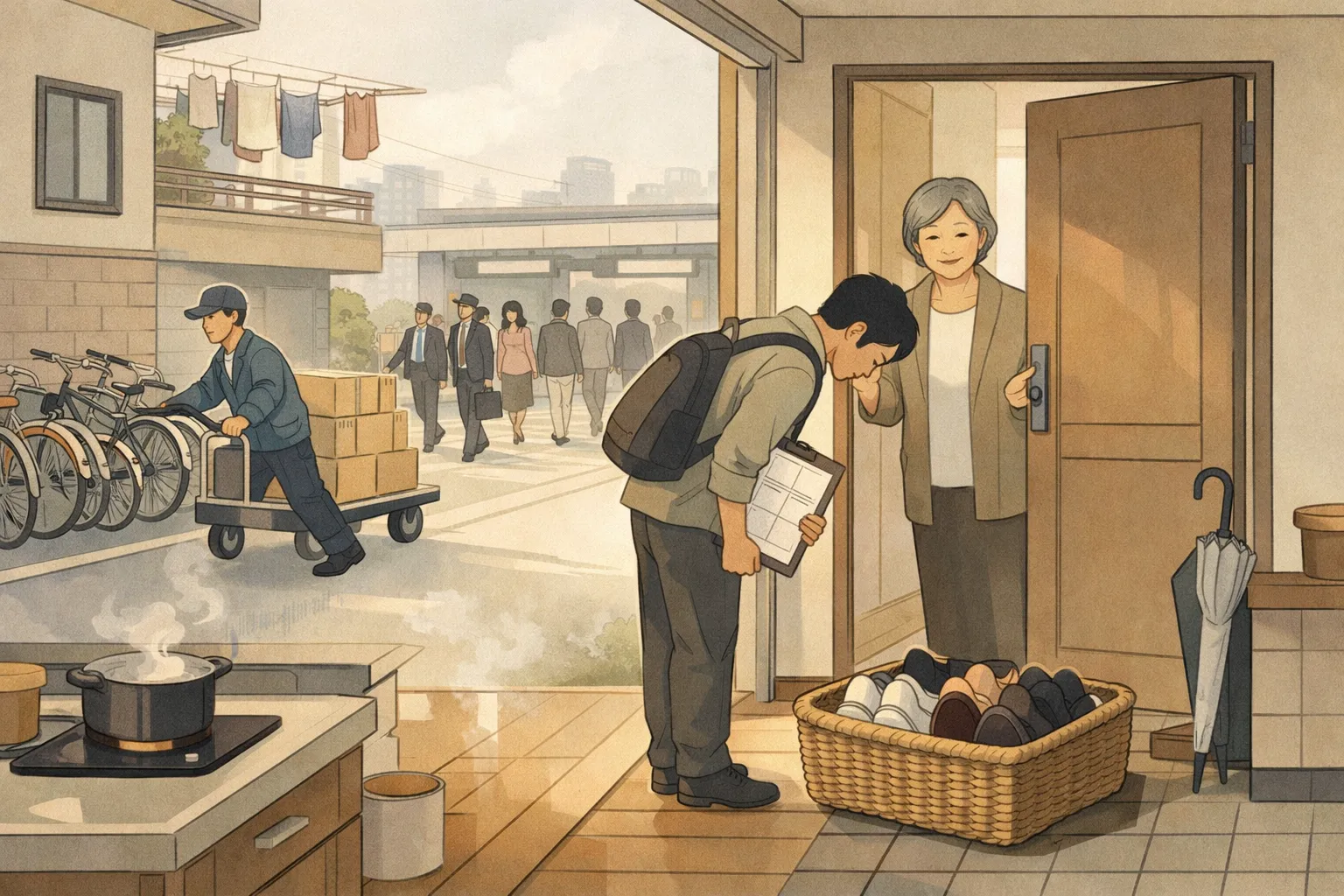
Cultural Background and Adaptation in Life in Japan
Religious aspects require particular consideration during worship and the period of Ramadan. Since many Indonesians are Muslims, it is essential to pay attention to the dietary restrictions of halal requirements. Demonstrating understanding of these religious customs during lunch at the workplace or when holding meetings, and asking colleagues to be considerate, can be effective in avoiding friction. Communicating annual events and religious days to others can help build better relationships.
Next, in the workplace culture, there are specific rules and unspoken understandings. The concept of Hōren-sō (reporting, communication, and consultation) is particularly emphasized and is fundamental for smooth communication with superiors. By being aware of this and providing at least minimal reports, it leads to building trust. Additionally, attention to time sensitivity is necessary. To achieve results, meeting deadlines is the top priority, and understanding peer pressure is also essential. While expressing your opinions, flexibility to maintain harmony with those around you is required.
Regarding housing and local culture, the rules for garbage disposal are strict. Since they vary by region, it is necessary to research in advance and follow the instructions. You must also be mindful of noise issues with neighbors. Particularly, being considerate of sounds in the early morning and at night can help build good relationships. In the event of any trouble, it is important to approach residents sincerely and adopt a stance of seeking solutions together.
Concerning administrative procedures, My Number and opening a bank account are typical points. To carry these out smoothly, it is effective to gather the necessary documents and make inquiries in advance. Additionally, when signing a mobile contract, ensure you fully understand the contract details and confirm any unclear points as they arise. Especially when conveying difficult matters in individual negotiations, organizing your points and explaining calmly can help gain trust.
💡 Points
In living in Japan, it is important to understand the cultural background and adapt flexibly. Particularly regarding daily rules and customs, a proactive attitude towards learning is key to reducing friction.
Mental health is important, and if you feel stress in your life in Japan, it is crucial to consult a professional. Utilize local consultation centers and counseling rooms, and taking care of yourself will help you in obtaining a job and permanent residency in Japan. By gathering appropriate information and taking action, you can make your daily life more fulfilling.
Key Points
Understanding religion, workplace culture, housing rules, and administrative procedures is important for life in Japan. By adapting flexibly to these aspects, you can reduce stress and smoothly progress in obtaining **employment** and **permanent residency**. Especially, remember to prioritize mental health and consult professionals as needed.
| Elements | Importance |
|---|---|
| Understanding Religion | Avoiding Friction |
| Grasping Workplace Culture | Building Trust |
| Familiarity with Administrative Procedures | The First Step Towards a Smooth Life |
Success Stories of Indonesians Obtaining Permanent Residency While Working in Japan

There are many cases of Indonesians obtaining permanent residency in Japan. Through these success stories, let’s take a closer look at the specific elements required for the conditions for acquisition. First, regarding duration, it is required that employment in Japan has been continuous for several years. Generally, a residence period of over 5 years is a guideline. This is an important factor in demonstrating a stable living foundation and economic credibility.
Next, regarding income, it is essential for Indonesians to have a stable income when finding employment in Japan. Specifically, it is necessary to earn enough income to cover living expenses independently. The Japanese government requires that the applicant's annual income is above a certain amount, which is used to determine whether they can live independently. To verify income, documents such as withholding tax statements and pay slips are required.
Furthermore, paying taxes and joining social insurance are part of the acquisition requirements. If Indonesians want to obtain permanent residency in Japan, paying taxes is very important. Proper tax payment serves as proof of credibility and will work in your favor during future applications. Additionally, the status of pension and health insurance enrollment should not be overlooked. These are fundamental to supporting life in Japan and are important elements in meeting the acquisition requirements.
Many Indonesians are considering changing jobs, but caution is necessary. When changing jobs, proof of employment and tax history from the previous workplace are highly valued. Employment in Japan is based on a labor contract, so it is necessary to prove that the contract is appropriate. Frequent job changes may be seen as lacking stability, making it more difficult to obtain permanent residency.
In this way, for Indonesians to obtain permanent residency in Japan, it is important to thoroughly understand the acquisition requirements and act strategically. Success stories can be realized as a result of understanding and implementing these. Preparing thoroughly in all aspects, from daily life to compliance with laws and regulations, paves the way for obtaining permanent residency.
Checkpoints
To obtain permanent residency in Japan, Indonesians need more than 5 years of residence and a stable income. Tax payments, enrollment in social insurance, and proof of employment when changing jobs are also important acquisition requirements. By preparing these thoroughly, obtaining permanent residency can be realized.
Reference: A comic explanation of how Chinese people obtain permanent residency in Japan
Experiences of Indonesians who actually found jobs in Japan
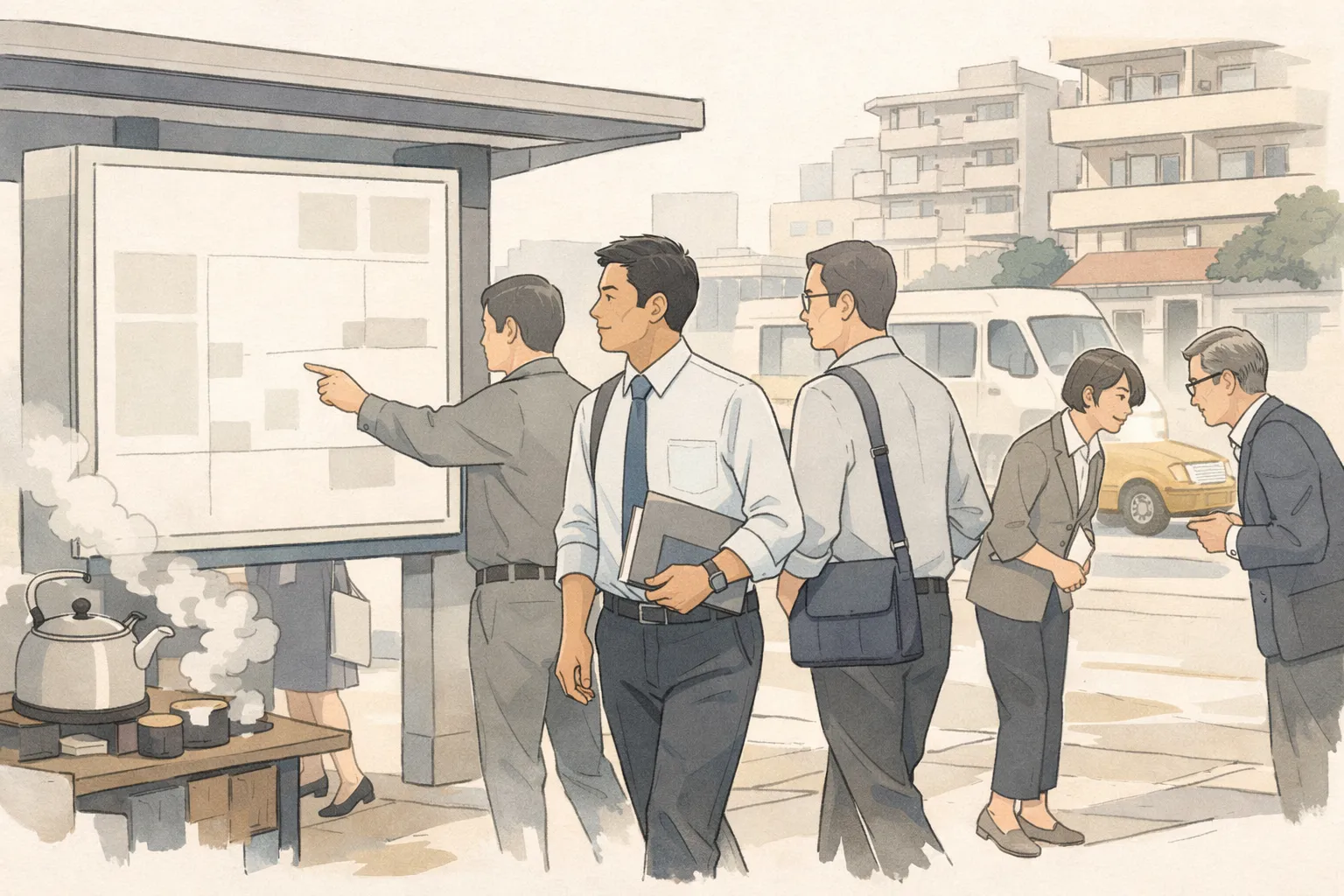
Model Case 1: New Graduate → Technical, Humanistic Knowledge, International Business → Employment in Japan
Ali studied economics at a university in Indonesia and decided to aim for employment in Japan after graduation. He first started Japanese language study to obtain the Japanese Language Proficiency Test N2. After that, he participated in job fairs and visited many booths of Japanese companies. By listening to the company presentations and obtaining real job information, he was able to have a concrete career vision. In particular, he emphasized learning about Japanese culture and the business manners specific to the industry in advance, while paying attention to how to write resumes and curriculum vitae. During interviews, he was conscious of all the points, and although he was nervous at first, he overcame it through role-playing with friends and specialized training. Currently, he is enjoying fulfilling days as an engineer at a Japanese IT company.
Model Case 2: Specified Skills → Transition → Employment in Japan
Mr. Suri graduated from a vocational high school in Indonesia and came to Japan with a specified skill. Through his experience in the manufacturing industry, he decided to first learn practical skills in Japan. After arriving, Mr. Suri acquired the basics of Japanese and worked hard to be able to engage in daily conversations smoothly. During his job search, he utilized job sites focusing on Japanese companies and gathered information to broaden the scope of the manufacturing industry. He also received support from labor unions to deepen his understanding of the working environment in Japan. Initially, the language barrier was a significant obstacle, but by continuing language studies with peers, he gradually gained confidence. Currently, Mr. Suri is active as a practical manager, leveraging his expertise in the manufacturing field.
Model Case 3: IT Career Change → Employment in Japan
Ms. Jodi, based on her three years of experience at an IT company in Indonesia, hoped for employment in Japan. After obtaining the Japanese Language Proficiency Test N2, she researched the skills and trends sought by Japanese companies. Utilizing online seminars and webinars, she acquired the latest technological information in the Japanese industry and worked on self-improvement. By using a resume-specialized website for job information, she organized her applications neatly and applied quickly. In interviews, she emphasized leadership and teamwork, specifically demonstrating situations where she could leverage her experience. The initial challenge was understanding cross-cultural business manners, but she effectively addressed this by seeking advice from experts. Now, she oversees a multinational team as a project leader at a Japanese IT company and is achieving results.
These stories illustrate specific action plans for Indonesians aiming for employment in Japan. Japanese language learning, networking, and industry understanding are foundational elements for success.
Checkpoint
Through the experiences of Ali, Suri, and Jodi, it is important for Indonesians aiming to find employment in Japan to deepen their Japanese language skills and industry knowledge. By preparing their resumes, building networks, and advancing their understanding of different cultures, each of them has achieved success. A concrete action plan is paving their way.
Key Points Learned from Successful Cases that Meet the Acquisition Conditions

Key Points Learned from Successful Cases that Meet the Acquisition Conditions
For Indonesians aiming to find employment in Japan, understanding the factors for success is extremely important. In particular, actions that consider the conditions for obtaining permanent residency are key. Below, I have systematically summarized the success factors extracted from personal experiences as "replicable points."
| Success Factors | Details |
|---|---|
| Fulfillment of Taxes and Pension | Ensure compliance with tax laws and pension enrollment to build credibility when obtaining permanent residency. |
| Securing Stable Income | Have a stable job and establish a solid financial foundation. In particular, sustainability in employment is required. |
| Timing for Job Change | When considering a job change, take into account your residency period and work situation to determine the appropriate timing. |
| Avoiding Traffic Violations | Thoroughly understand the traffic rules in Japan and prevent violations before they occur. |
| Management of Residence Period | Always check the validity period of your residence card and make sure not to forget the extension procedures. |
| Preparation of Guarantor | Select a guarantor and prepare documents early to be ready for any unforeseen circumstances. |
How to apply according to your situation: for singles, focus on choosing a profession that makes it easier to secure stable income and ensure proper tax payment. For those with family, it is important to consider flexible working styles and stabilize income to build a living foundation aimed at obtaining permanent residency. Those planning to change jobs can connect their success by carefully planning while considering the residence period and future job choices.
By understanding and implementing these points, the path to achieving employment in Japan and meeting the conditions for obtaining permanent residency as an Indonesian will become clearer.
Key to Success
Indonesians aiming to work in Japan should prioritize fulfilling tax obligations, pension contributions, and securing a stable income. Timing for job changes and avoiding traffic violations are also important points.
| Factors | Description |
|---|---|
| Taxation and Pension | Building Trust through Legal Compliance |
| Stable Income | Establishing an Economic Foundation |
Latest Support Systems for Indonesians Working in Japan

Support systems for employment for Indonesians hoping to work in Japan have diversified and become more substantial in recent years. In particular, these systems play an important role for Indonesians aiming to obtain permanent residency.
The Specified Skills System is one of the main systems for Indonesians aiming for employment in Japan. This system accepts foreign workers with specialized skills in specific fields, and Indonesians are also included. Detailed procedures and requirements can be checked on the official website of the Immigration Services Agency. (Reference: moj.go.jp)
In addition, the Ministry of Health, Labour and Welfare has established Foreign Employment Service Centers across the country as support for Indonesians seeking employment. These centers provide job placement and employment support specifically for Indonesians. For more details, please refer to the official website of the Ministry of Health, Labour and Welfare. (Reference: mhlw.go.jp)
Furthermore, there is a system for accepting Indonesian nurse and caregiver candidates. This system is based on an economic partnership agreement that allows Indonesians to work as nurses or caregivers in Japan, and it may assist in obtaining permanent residency. More details can be checked on the official website of the Ministry of Health, Labour and Welfare. (Reference: mhlw.go.jp)
These systems are established to support Indonesians in their employment, but the content and requirements of the systems may change. It is recommended to regularly check the following official sources for the latest information.
- Immigration Services Agency of Japan
- Ministry of Health, Labour and Welfare
- Embassy of Japan in Indonesia
These agencies' official websites provide detailed guidance on the latest information and procedures regarding employment for Indonesians.
For Indonesians aiming for employment in Japan, there are various systems in place to support the acquisition of permanent residency. The latest information can be confirmed at the Immigration Services Agency of Japan and the Ministry of Health, Labour and Welfare.
| Source of Information | Link |
|---|---|
| Immigration Services Agency | Link |
| Ministry of Health, Labour and Welfare | Link |
Overview of the current support system

In Japan, various systems have been established aimed at supporting the employment and retention of foreign workers. Below is a summary of the representative systems.
Framework of the residency status system
Japan's residency statuses are classified according to the employment and stay purposes of foreign nationals. The main residency statuses include Engineer/Specialist in Humanities/International Services, Technical Intern Training, Specified Skilled Worker, Student, Family Stay, and Permanent Resident, among others. These statuses provide the legal foundation for foreign nationals to work and live in Japan.
Support for Specified Skills
Specified Skills is a residency status introduced to address labor shortages in specific industrial sectors. Under this system, foreign workers are required to possess certain skills and Japanese language abilities. Support includes job placement, Japanese language education, and living assistance. The conditions for use require employment in specific industrial sectors.
Consultation Desk
As consultation desks for foreign workers and companies, Foreign Employment Service Centers and Hello Work have been established. These organizations provide consultations and information regarding employment, as well as support for the proper establishment of employment contracts. The conditions for use allow foreign workers and employers to consult directly in person or by phone.
Japanese Language Learning Support
Improving Japanese language skills is important for creating a better working environment for foreign workers. Various local governments and Japanese language schools offer Japanese language education programs. These programs cater to a wide range of needs, from daily conversation to business Japanese, supporting the improvement of Japanese language skills for foreign workers.
Vocational Training
For foreigners wishing to find employment in Japan, vocational training schools and specialized schools are established in various locations. These institutions offer courses to acquire specialized skills and knowledge, supporting the skill enhancement of foreign workers.
These systems and support play a crucial role in helping foreigners find employment and settle in Japan. For the latest information and details, it is recommended to check the official websites or contact points of each institution.
Summary of Key Points
In Japan, there are various systems to support the employment and retention of foreign workers. The residency status system, specified skills system, consultation services, various Japanese language learning support, and vocational training are in place to ensure that foreign workers can smoothly find employment and live in Japan. The latest information can be confirmed with each organization.
How to Use Support Organizations Specialized for Indonesians
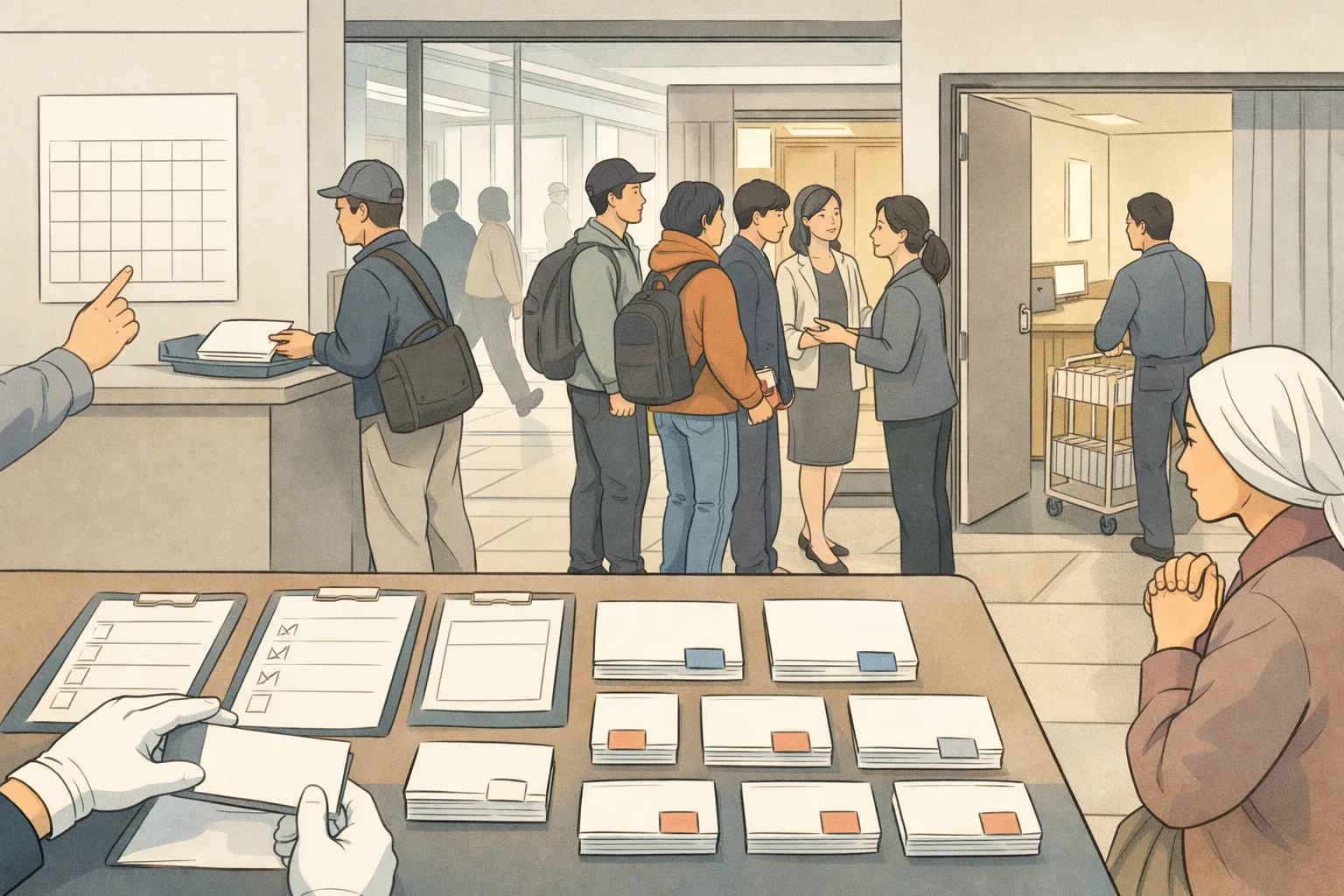
For Indonesians hoping to find employment in Japan, utilizing a reliable support organization is important. Below, we introduce in FAQ format the organizations that are easy for Indonesians to rely on, how to find them, preparations before consultations, and how to respond in case of troubles.
Q1: Where are the support organizations that are easy for Indonesians hoping to find employment in Japan to rely on?
A1: The following are support organizations that are easy for Indonesians to use.
- Embassies and Consulates: The Indonesian Embassy and various consulates provide support for the overall lives of Indonesians.
- Community Organizations: Local Indonesian communities offer opportunities for information exchange and interaction.
- Religious Facilities: Mosques and churches where many Indonesians gather provide spiritual support and information.
- Non-Profit Organizations: NPOs that support foreign workers accept consultations regarding employment and living conditions.
- Multilingual Consultation Centers: Multilingual consultation centers operated by local governments and private organizations offer consultations in Indonesian.
- Registered Support Organizations (Specified Skills): This is an organization that provides support for Specified Skills visa holders from Indonesia.
Q2: How can I find these support organizations?
A2: You can find support organizations for Indonesians using the following methods.
- Internet Search: By searching with keywords like "Indonesian Community" or "Halal", "Multilingual Consultation" along with the name of your area, you can find relevant organizations.
- Municipality Websites: Each municipality's official site contains information and consultation services for foreigners.
- SNS and bulletin boards: You can gather information from active SNS and bulletin boards in the Indonesian community.
Q3: What information should I prepare before the consultation?
A3: It is smooth to prepare the following information that will be helpful during the consultation.
- Residence card: This is the identification document for Indonesians residing in Japan.
- Employment contract: The contract details regarding employment in Japan are described.
- Pay Slip: Japan provides details of salary payments.
- Work Regulations: Japan outlines the working conditions and rules in companies.
- Documents Related to Troubles: If issues arise, prepare documents or notes that serve as evidence.
Q4: What should I do if I encounter trouble related to employment?
A4: Indonesians facing employment-related issues in Japan can consult the following organizations.
- Labor Standards Inspection Office: Handles issues related to working conditions and work environments.
- Immigration Bureau: Specified Skilled Worker visas and residency status issues are handled here.
- Lawyer: If you need legal advice or assistance, you can consult a Japanese lawyer.
These organizations provide appropriate support for Indonesians who may face issues while seeking employment and obtaining permanent residency in Japan.
Support Organizations for Indonesians:
Indonesians who wish to work in Japan should utilize support organizations such as embassies, local communities, and NGOs. Use searches like "[local name] + Indonesian community" and prepare your residence card and contract in advance for consultation.
Escalation in Case of Trouble:
- Labor Standards Inspection Office
- Immigration Bureau
- Lawyer
Popular Career Columns
- ALL
- MONTHLY
- WEEKLY
-


2026.07.30
A Comprehensive Guide to the Conditions for Mongolians to Get a Job and Obtain Permanent Residency in Japan!
-

2026.07.30
The Importance of Japanese and Language Skills - For International Job Seekers
-


2026.08.03
Compensation, Benefits, and Social Insurance Guide (for Foreigners Looking to Work in Japan)
-


2026.08.03
Guide to Permanent Residency Application for Indonesians Working in Japan
-

2026.08.03
Obtaining Permanent Residency and Required Years for Indonesians to Work in Japan
-

2026.08.03
Guide to Permanent Residency Requirements for Vietnamese Aiming to Work in Japan
-

2026.08.03
Comprehensive Job Guide for N1 Holders in Japan
-

2026.08.03
How to Obtain a Visa to Work as a Full-Time Employee in Japan
-

2026.08.03
Employment Guide in Japan: Dormitory Fees with Housing Support for Indonesians
-

2026.08.03
A Job Guide for Mongolian People to Become Full-Time Employees in Japan from Inexperience
-
2026.07.30
A Comprehensive Guide to the Conditions for Mongolians to Get a Job and Obtain Permanent Residency in Japan!
-
2026.07.30
The Importance of Japanese and Language Skills - For International Job Seekers
-
2026.08.03
Compensation, Benefits, and Social Insurance Guide (for Foreigners Looking to Work in Japan)
-
2026.08.03
Guide to Permanent Residency Application for Indonesians Working in Japan
-
2026.08.03
Obtaining Permanent Residency and Required Years for Indonesians to Work in Japan
-
2026.08.03
Guide to Permanent Residency Requirements for Vietnamese Aiming to Work in Japan
-
2026.08.03
Comprehensive Job Guide for N1 Holders in Japan
-
2026.08.03
How to Obtain a Visa to Work as a Full-Time Employee in Japan
-
2026.08.03
Employment Guide in Japan: Dormitory Fees with Housing Support for Indonesians
-
2026.08.03
A Job Guide for Mongolian People to Become Full-Time Employees in Japan from Inexperience
 COLUMN CATEGORY
-
Visas
We explain the types of work visas (such as Engineering/Humanities/International Services, Skills, etc.), the procedures for obtaining or changing residence status, the required documents and review points, and the flow of procedures that employers must handle.
-
Japanese Language and Language Skills
We introduce guidelines for Japanese proficiency (JLPT, etc.), the language skills required by industry, study methods and materials, and how to prepare for Japanese in interviews and write language proficiency certificates.
-
Resume and Work History
We explain how to write a resume and work history documents for Japan (format and translation points), provide sample wording for self-promotion and reasons for applying, and show with concrete examples how to organize attached documents.
-
Salary, Benefits, and Social Insurance
We explain salary benchmarks by industry, how to calculate take-home pay, overtime pay, how social insurance, pensions, and taxes work, and negotiation points such as welfare benefits and housing allowances.
-
Work Style and Workplace Culture
We explain Japanese workplace customs (reporting and communication, hierarchy, teamwork), how to handle long working hours and take time off, measures against harassment, and how to map out career paths.
-
Job Support and Using Placement Agencies
We introduce how to choose a job-change agency or job site, what to watch for when registering, interview scheduling and follow-up after an offer, and how to use free support services and event information.
-
Mongolians
We provide helpful information for Mongolians who are considering finding a job in Japan.
-
Nepalese
We provide helpful information for Nepalese who are considering finding a job in Japan.
-
Indonesians
We provide helpful information for Indonesians who are considering finding a job in Japan.
-
Vietnamese
We provide helpful information for Vietnamese who are considering finding a job in Japan.
-
N1
The JLPT N1 is the highest level of Japanese-language proficiency, and it is one of the strongest assets a foreign national can have when looking for a job in Japan. It proves you have the advanced Japanese skills needed in real business settings, opening doors to general and specialized positions as well as roles at major companies. In this category, we bring together job listings and career tips to help foreign nationals with N1 succeed in their job search in Japan.
-
N2
The JLPT N2 is a practical level of Japanese-language proficiency that many companies use as a benchmark when hiring, making it a valuable asset for foreign nationals looking for a job in Japan. It proves you can handle not only everyday conversation but also business Japanese across a wide range of situations, greatly expanding your options—from office and administrative roles to many other positions. In this category, we bring together job listings and useful tips to help foreign nationals with N2 succeed in their job search in Japan.
-
N3
The JLPT N3 shows that a foreign national has a solid, basic command of Japanese when looking for a job in Japan. It demonstrates that you can handle everyday conversation and simple work-related exchanges, so you'll find options well suited to a first job—such as roles you can start with no experience and on-site full-time positions. In this category, we bring together job listings and useful tips to help foreign nationals with N3 find a job in Japan.
関連foreign nationals' employment in Japanの転職コラム
RELATION COLUMN
 2026.08.03
\ Easy 30-second sign-up /
Free sign-up · consultation only is welcome too!
Apply for foreign nationals' employment in Japancareer change support

Comment from the author
Job hunting in Japan is an important step for Indonesians to obtain permanent residency. By honing language skills and expertise, and effectively showcasing work experience, opportunities to build a career expand. Proceeding with a plan is the key to success.