Dormitory and Housing Support Guide for Vietnamese Workers in Japan
Dormitory and Housing Support Guide for Vietnamese Workers in Japan
Vietnamese
寮・住居サポート付
2026.08.04
Basic Information for Vietnamese Considering Employment in Japan
Basic Information for Vietnamese Considering Employment in Japan
What Vietnamese people who want to work in Japan should first understand is the importance of employment routes and residence status. Residence status is a fundamental requirement for legally working in Japan. This status varies depending on the job type and job duties, so it is important to clarify the job types of interest and research the necessary qualifications for those jobs. Additionally, choosing job listings with dormitory and housing support is highly significant. With this support, you can reduce initial costs and start your new life in Japan without feeling anxious about your living environment. Especially since there are areas where dormitory fees are high, it is essential to conduct research in advance and select job listings that fit your life plan. Proceeding with these considerations will be the first step toward a successful job search.
In the next section, you will learn in detail about the specific types of residence status required and how various supports can be beneficial. Since the system may change from time to time, be sure not to forget to check for the latest information.
Comment from the author
For Vietnamese individuals aiming to find employment in Japan, preparation is extremely important. By thoroughly understanding the necessary information and choosing job offers that include dormitory or housing support, you can also ensure stability in your life. Please conduct thorough research to realize a new way of working in Japan.
Current Status and Opportunities in the Japanese Job Market for Vietnamese
Fields where Vietnamese find it easier to get jobs in Japan
The manufacturing industry is one of the fields where Vietnamese people find it easier to get jobs in Japan. In particular, in electronic device manufacturers, the introduction of Vietnamese engineers is progressing, helping to alleviate the domestic engineer shortage. For example, at one electronic device manufacturer, Vietnamese engineers have successfully integrated into the organization and culture, playing an active role as a strength within the company. (Reference: client.persol-hrpartners.co.jp)
The nursing care industry is also gaining attention as a field where Vietnamese people can easily find employment. With Japan's aging society, the demand for nursing personnel is increasing, and Vietnamese technical interns and specified skilled workers are active in this sector. These individuals are gaining experience in Japan's nursing care field while contributing to the development of their home country. (Reference: picks.goandup.jp)
In the IT industry, the demand for Vietnamese engineers is increasing. In particular, there are many qualified individuals in specialized fields such as machinery, electrical and electronic, IT, and CAD who can immediately contribute, and they are active in Japanese companies. These individuals leverage their knowledge of Japanese technology and management to contribute to the development of both countries. (Reference: nipbe.com)
Reasons why labor shortages are a tailwind
Due to Japan's declining birthrate and aging population, the labor force is decreasing, and labor shortages are becoming serious in many industries. In particular, in the manufacturing and nursing care industries, the introduction of Vietnamese personnel is contributing to the resolution of labor shortages. For example, at a manufacturing company, the introduction of Vietnamese engineers has improved production efficiency and shortened the new product development period. (Reference: susanoo-humans.co.jp)
In the restaurant industry, there is a notable labor shortage, and the acceptance of Vietnamese workers is progressing. According to a certain survey, it is expected that the demand for hiring foreign workers as a means to solve the labor shortage problem in restaurants will continue to increase in the future. (Reference: newscast.jp)
There is a tendency for job types with dormitory and housing support to be more common.
When Vietnamese people find employment in Japan, there are many job offers in the manufacturing industry and nursing care industry that provide dormitory and housing support. These industries have established systems for accepting foreign workers and offer substantial living assistance. For example, one company provides living support and assists with workplace adaptation and life stability when accepting Vietnamese technical intern trainees. (Reference: susanoo-humans.co.jp)
In the restaurant industry, the acceptance of foreign workers is also progressing, and job offers that provide dormitory and housing support are increasing. This makes it easier for Vietnamese workers to establish a foundation for living in Japan. (Reference: newscast.jp)
Organization by Reader's Purpose
- Those who want to work quickly: In the manufacturing and nursing industries, there are many job offers that provide dormitory and housing support, making early employment possible.
- For those with a professional career orientation: In the IT industry, the demand for Vietnamese engineers is increasing, and employment utilizing specialized skills is expected.
- For those who are anxious about their Japanese language skills: In the manufacturing and nursing industries, there is a well-established system for accepting Vietnamese workers, and support for daily living is substantial.
This information will serve as a reference for Vietnamese individuals seeking employment in Japan.
Comment from the author
I feel that opportunities are increasing for Vietnamese people who wish to work in Japan. In particular, working in industries with robust dormitory and housing support helps to safely dive into a new environment. I hope you enjoy your life in Japan as you grow personally.
The flow of job hunting in Japan and necessary documents
Job hunting flow and necessary documents before coming to Japan
Vietnamese aiming for employment in Japan should prioritize preparations before arrival.
1. Information Gathering and Job Applications: Japan’s job market should be understood, and job information for desired industries and positions should be collected. Job information for Vietnamese individuals can be effectively sourced from Japanese job information sites and job listings from Japanese companies in Vietnam.
2. Creating Resumes and Work History: Vietnamese individuals will create resumes and work history documents in the Japanese style to align with Japan’s job culture. It is important that these documents conform to the format and content required by Japanese companies.
3. Interview Preparation: In Japan, job interviews place a strong emphasis on etiquette and manners. Vietnamese individuals are expected to understand Japan’s interview culture and approach with appropriate attire, language, and attitude.
4. Obtaining a Certificate of Eligibility (COE): If employment in Japan is confirmed, Vietnamese individuals must obtain a Certificate of Eligibility (COE) from the Immigration Bureau of Japan’s Ministry of Justice. This certificate is a prerequisite for engaging in job activities in Japan.
Job Search Flow and Required Documents After Arriving in Japan
Vietnamese individuals will proceed with their job search activities after arriving in Japan through the following steps.
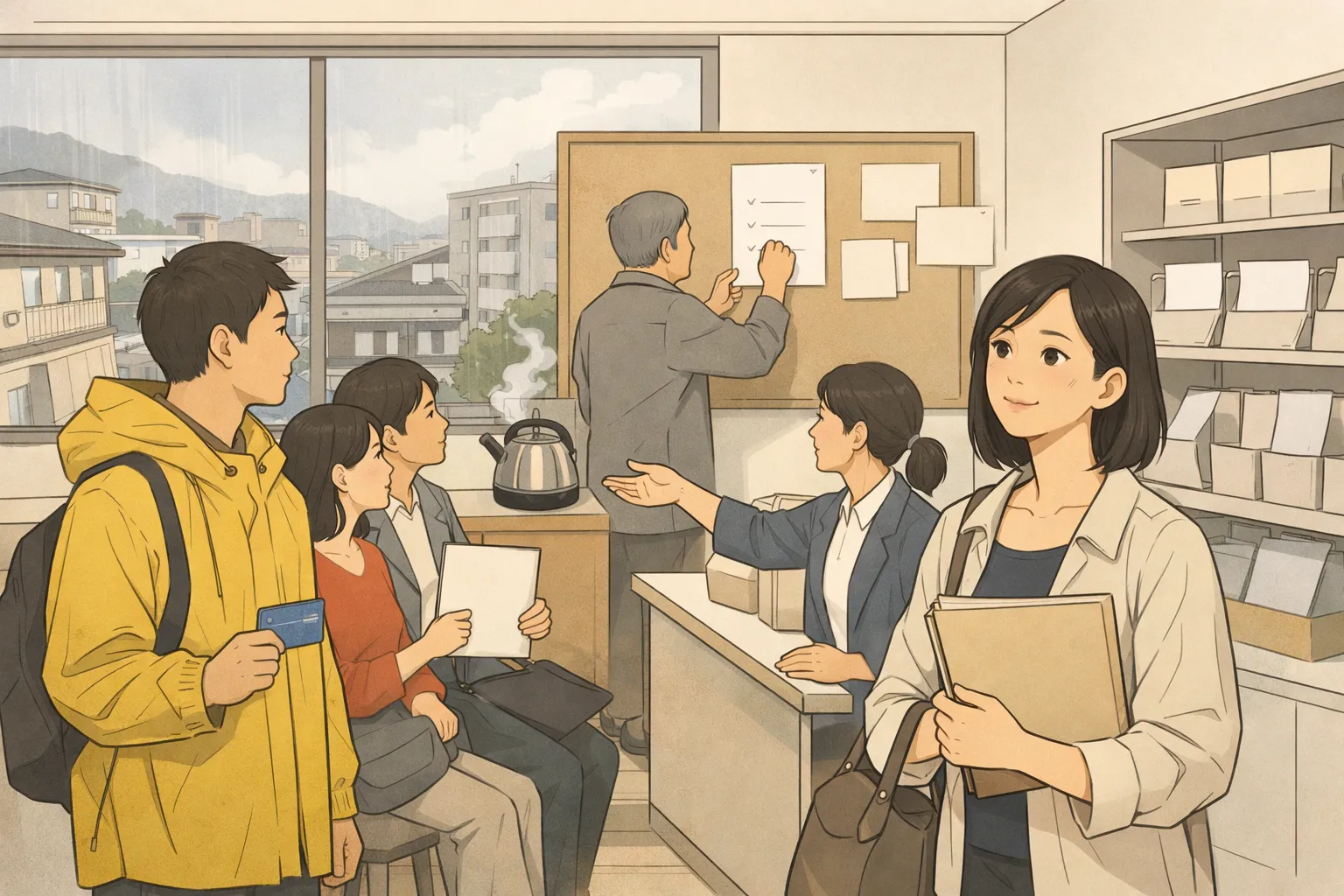
1. Obtaining a Residence Card and Resident Registration: After entering Japan, a Residence Card will be issued. You will register your residence at the local municipal office and obtain a Certificate of Residence. This Certificate of Residence is necessary for job activities and various procedures in Japan.
2. Opening a Bank Account: You will open a bank account for salary deposits and managing living expenses in Japan. For Vietnamese individuals, a Residence Card and Certificate of Residence are often required.
3. Starting Job Search: Aim for employment at companies in Japan by collecting job information and applying. Job information for Vietnamese individuals can be effectively utilized from Japanese job information sites and job listings from Japanese companies in Vietnam.
4. Interviews and Job Offers: Attend interviews with the companies you applied to and aim for a job offer. In Japan, job interviews emphasize etiquette and manners, so preparation in advance is crucial.
5. Application for Work Visa: After receiving a job offer, in Japan, you will apply for a work visa to legally work. Required documents include a Certificate of Eligibility (COE), passport, resume, work history, graduation certificate, transcript, and Japanese language proficiency certificate, among others.
6. Start of Employment: Once the work visa is issued, you will be able to work in Japan. As a Vietnamese, you are expected to thrive in Japanese companies.
Additional Documents for Dormitory and Housing Support
In relation to employment in Japan, if a Vietnamese chooses a job with dormitory and housing support, the following additional documents may be required.
1. Certificate of Residence: A Certificate of Residence is required to prove your address in Japan. This will be used for necessary procedures related to employment and living in Japan.
2. Presence of a Guarantor: When signing a contract with housing support, it is important to confirm whether a guarantor is required. In Japan, it can be difficult for Vietnamese individuals to secure a guarantor, so it is crucial to check in advance.
3. Agreement to Dormitory Regulations: When moving into a dormitory with housing support, you will be required to sign an Agreement to Dormitory Regulations. This document confirms your commitment to adhere to the rules and regulations of living in Japan.
By properly completing these procedures, Vietnamese individuals can smoothly advance their job search activities in Japan.
Key Points for Job Hunting
Vietnamese individuals aiming for employment in Japan should pay attention to the flow and necessary documents before and after arriving, especially regarding living support.
Documents such as **resumes**, **work history**, and **residence cards** are required, and it is particularly important to confirm the presence of a guarantor when housing support is involved.
Options with housing support for Vietnamese people to live comfortably
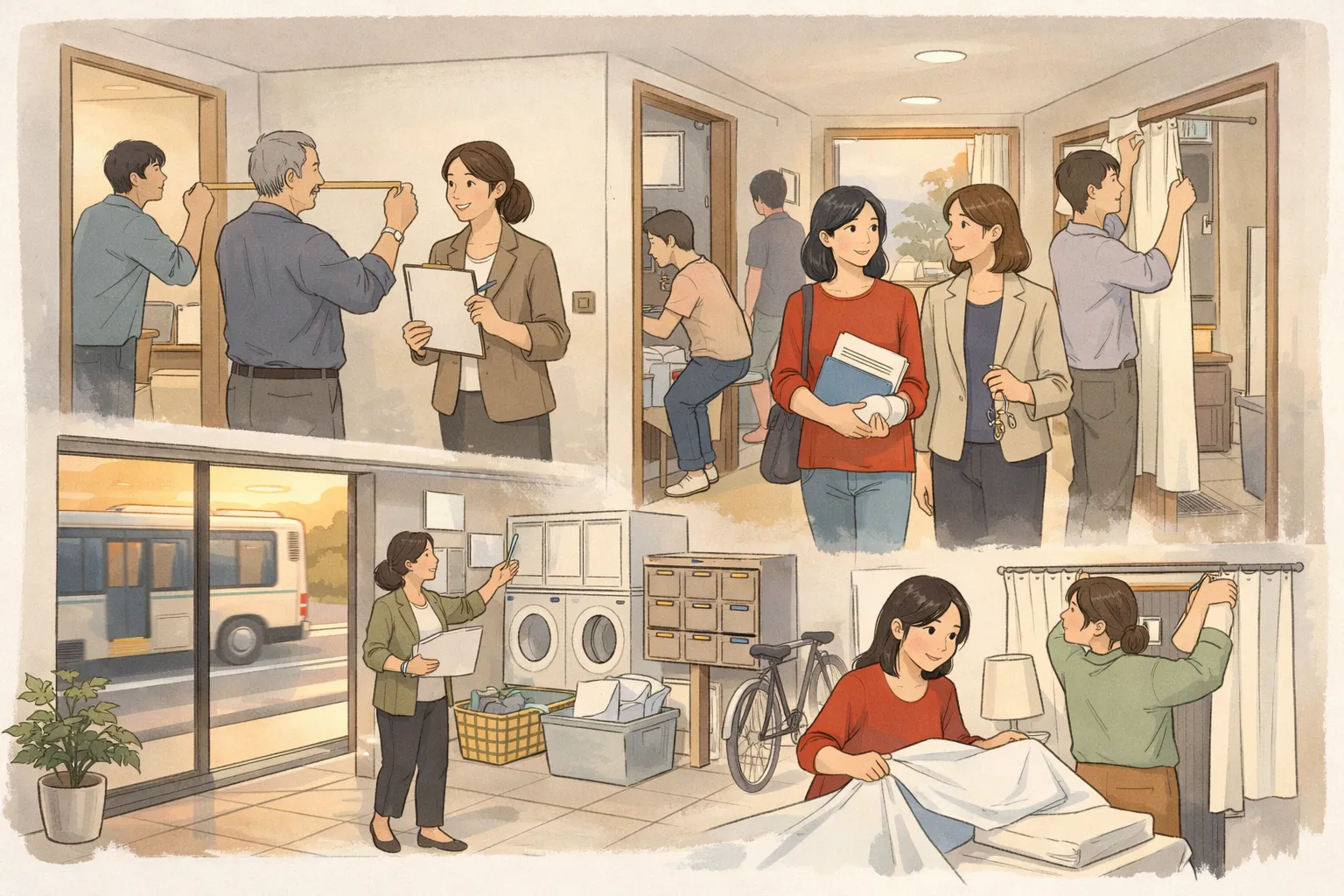
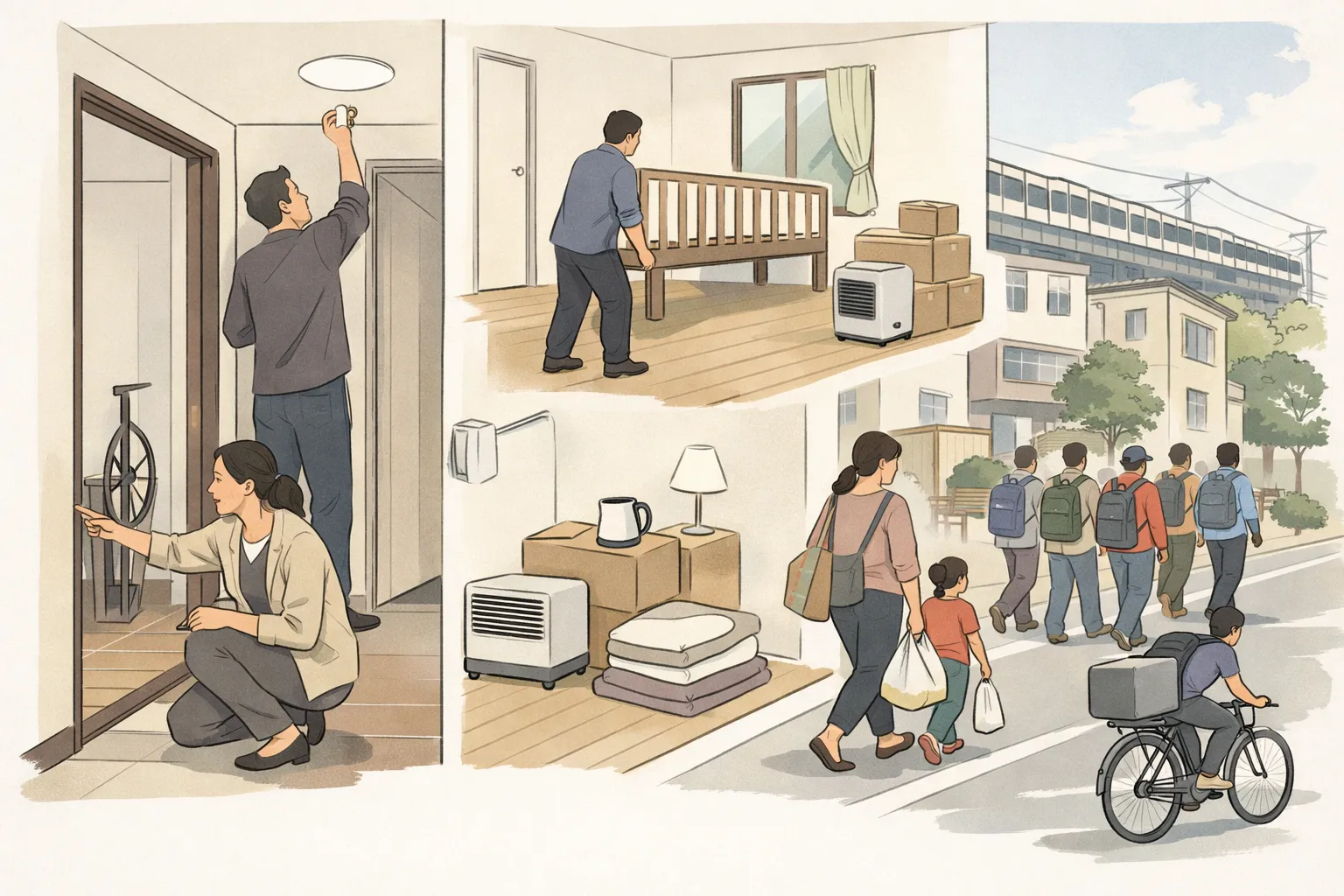
To support living in Japan, options with dormitory and housing support are very important. The forms of dormitory and housing support provided by companies mainly include company dormitories, leased company housing, and partnered real estate. These options help create a foundation for Vietnamese people to live safely in Japan. Additionally, many companies have introduced a system to cover initial costs, which can alleviate financial burdens. This significantly reduces the stress of securing housing.
Regarding dormitory fees, the way they are handled has a considerable impact on Vietnamese people. In many companies, salary deductions are used to pay dormitory fees, allowing for planned financial management. Furthermore, some companies provide dormitory fee subsidies, which reduce the actual burden and enable a more financially comfortable life. Additionally, many plans include utilities, making it easier to clearly understand the overall costs when considering these conditions. Thus, options with dormitory and housing support are significant factors that greatly influence living expenses and should be particularly noted during job hunting.
In the next section, we will explain in detail the specific benefits of these supports and how to utilize them. We will also compare the types of dormitory and housing support and examine their characteristics to help determine the best options. This information is essential for Vietnamese people to live comfortably in Japan.
Checkpoints
To support living in Japan, options with dormitory and housing support are very important. Company dormitories, leased company housing, and partnered real estate are provided, and covering initial costs can alleviate financial burdens. The handling of dormitory fees through salary deductions, subsidies, and even including utilities also contributes to reducing actual living costs. The next section will explain the benefits and compare the types in detail.
Benefits and Usage of Dormitory and Housing Support
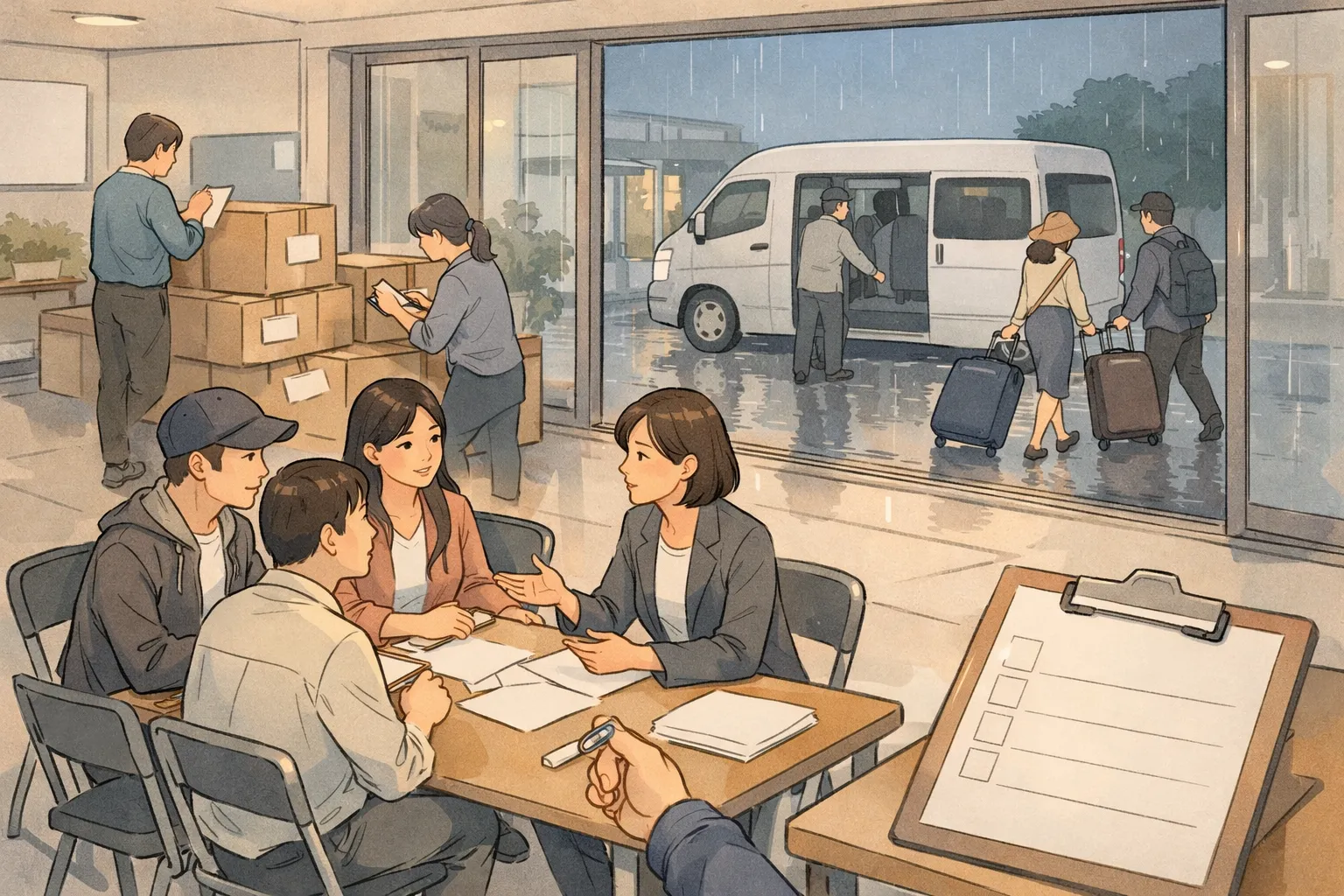
Job Application: First, search for job information at Japanese companies and find a position that suits you. At this time, it is advisable to focus on job information aimed at Vietnamese people.
Preparation of Application Documents: Prepare your resume and work history, and having Japanese language support will make the process smoother. This will facilitate a smooth onboarding process.
Interview: During the interview, check if there is dormitory and housing support available. If there are attractive support options, it will lead to shorter commutes and a more comfortable living situation.
Job Offer: Once you receive a job offer, check the dormitory fees and initial costs in detail. Consider the security deposit, key money, renewal fees, and the presence of furniture and appliances.
Joining the Company: Set the start date and complete the necessary procedures. At this time, it is reassuring to reconfirm the guarantor issue and the availability of Japanese language support.
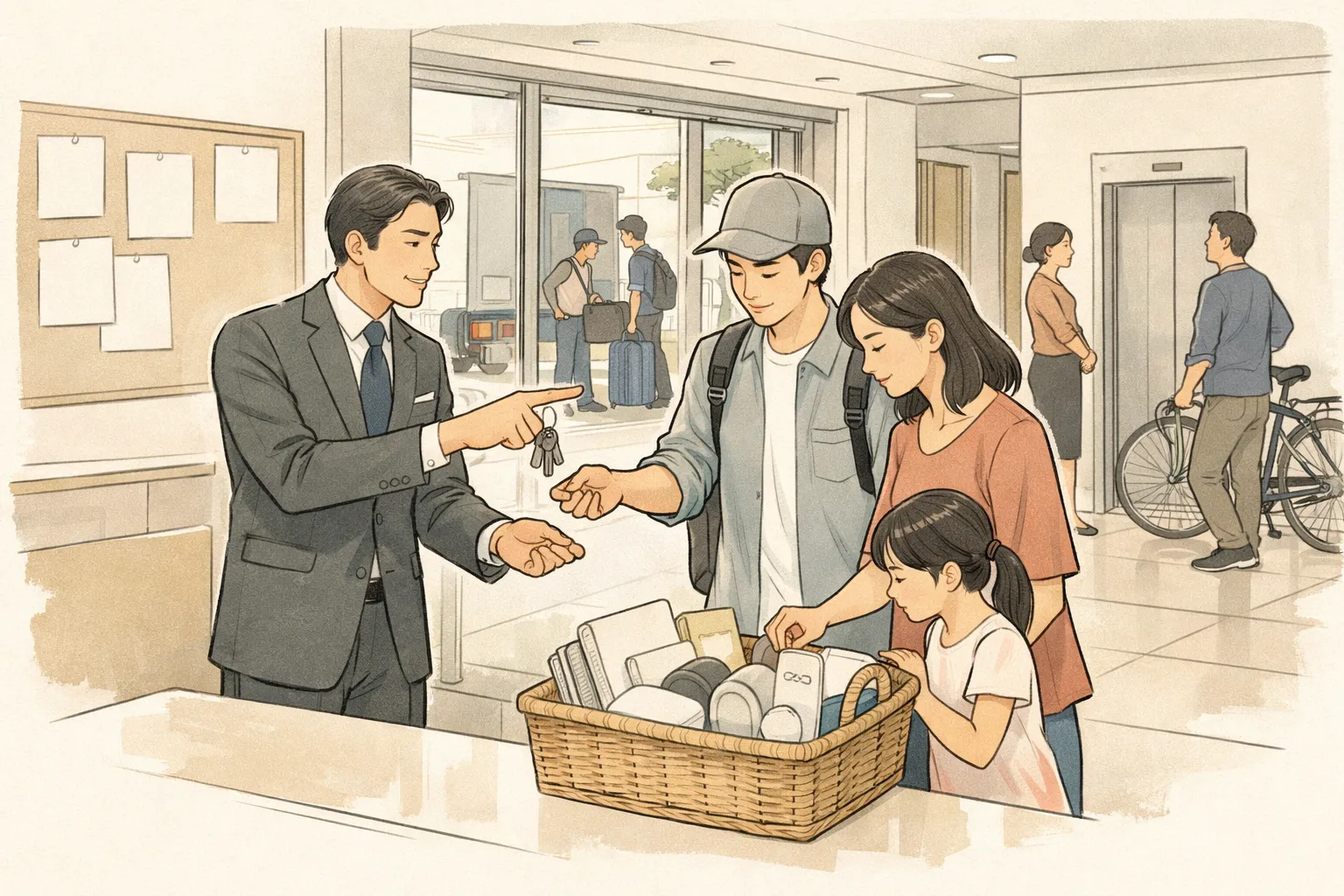
Moving into the Dormitory: Once your move-in is decided, check the contract name, the availability of Wi-Fi, and whether an interpreter is available.
For Vietnamese, dormitory and housing support offers many benefits. It can reduce initial costs and help avoid guarantor issues, making it a significant aid for those aiming to work from abroad. Additionally, with Japanese language support available, it becomes easier to live without feeling the language barrier. Furthermore, depending on the location of the dormitory, it can also reduce commuting time. However, there are also disadvantages. For example, if there are curfews or rules to follow in the dormitory, your freedom may be restricted. Additionally, depending on the location, the surrounding environment may be inconvenient, and if you share a room, you must consider the loss of privacy.
The following are the points to confirm when using dormitory and housing support.
Dormitory Fee
Key Money and Deposit
Renewal Fee
Move-Out Fee
Furniture and Appliances
Availability of Wi-Fi
Availability of interpretation services
Contract name
Finally, here are the top 5 common oversights that can lead to troubles.
Amount of security deposit and key money
Details of Move-Out Costs
Condition of Furniture and Appliances
Wi-Fi Usage Conditions
Content of Rules and Regulations
To all Vietnamese people in Japan, please check these points carefully to avoid troubles and achieve a comfortable life.
Attention
While there are many benefits to dormitory and housing support, there are also disadvantages due to rules and the local environment. It is important to thoroughly check the contract details, terms, and costs before moving in. Additionally, choosing a dormitory that fits your lifestyle can lead to a more comfortable living experience.
Types and Features of Dormitories: Share Houses vs Apartments
Advantages of Share Houses
Low cost housing available. The dormitory fees are relatively inexpensive, resulting in a small financial burden.
Since there is interaction with other residents, it is easy to form a community.
Initial costs can often be kept low, and there may be cases where a security deposit and key money are not required.
Disadvantages of shared houses
There is little privacy, and in a shared room, the sounds of others' lives can be bothersome.
There may be strict living rules, which can limit freedom.
Share houses are attractive in terms of costs, but privacy needs to be considered. Especially in dormitory life, the existence of living rules can become a burden for new employees and international students. Those Vietnamese who want to prioritize privacy should consider other options.
Advantages of Apartments
You can secure complete privacy and enjoy your lifestyle at your own pace.
You can live by your own rules, and there is a high level of freedom.
Disadvantages of Apartments
Rent costs are often high, and initial investment is also required.
It can be difficult to form a community, and one may feel isolated at times.
Apartments are suitable for Vietnamese who prefer living alone, but this may lead to higher rent costs. Be mindful of initial costs, and it is recommended for those who want to build their lives carefully in a well-equipped environment. For new employees and international students, it is important to choose a living arrangement that suits them when starting their careers.
Both share houses and apartments have their pros and cons, but it is important to make the best choice according to the lifestyle that Vietnamese people seek. Clearly determine which environment suits you best and achieve a comfortable daily life.
Points to Consider When Choosing
Share houses emphasize **low cost** and community, but privacy may be sacrificed. In contrast, apartments offer complete **privacy** and freedom, but the **dormitory fees** are higher. It is important to choose a living arrangement that fits your lifestyle.
Average dormitory costs and expense burdens in Japan
When considering the average dormitory fees in Japan, it is necessary to take into account various factors, not just the rent. Dormitory fees include not only rent but also common service fees, utility costs, internet fees, and more, making it important to understand the total cost. Additionally, bedding rental fees and costs upon moving out must also be considered. Some companies have implemented measures to reduce the burden of living expenses by making dormitory feesdeducted from salary. Furthermore, there may be dormitory fee subsidies available at various companies, which can significantly reduce the actual out-of-pocket expenses.
Specifically, dormitory fees in Japan vary by region, with significant differences between urban and rural areas. For example, in major cities like Tokyo and Osaka, dormitory fees tend to be high, but in return, the convenience and quality of facilities are also high. On the other hand, in rural cities, it is possible to live with relatively low dormitory fees, which broadens the options available. Due to recent trends in migration and new living demands, market prices in each region fluctuate, so regular information gathering is necessary to understand the accurate market rates.
Additionally, in some regions, it is necessary to find ways to reduce living expenses. For example, choosing facilities where common service fees and utility costs are free or low-priced, and reviewing commuting conditions considering transportation costs can be effective. This allows you to maximize the benefits of dormitory and housing support. Especially for Vietnamese living in Japan, it is important to thoroughly understand information regarding dormitory fees and choose a living environment that suits them.
Understanding the average dormitory fees in Japan is the first step for Vietnamese to live comfortably. It is important to consider not only rent but also common service fees and utility costs, and to understand the characteristics of the region.
Key Points
In Japan, dormitory fees include not only rent but also various elements such as utility costs and common service fees. Since the market rates vary by region, it is important to gather accurate information and choose a living environment that suits you. This information is particularly foundational for Vietnamese individuals to lead a secure life.
Comparison of Dormitory Fees by Region: Tokyo, Osaka, Nagoya
For Vietnamese individuals aiming to find employment in Japan, dormitory and housing supportdormitory fees are important considerations. In major cities such as Tokyo, Osaka, and Nagoya, it is necessary to compare various factors such as rent, initial costs, tendency for subsidies, commuting costs, and differences in living expenses.
First, let's take a look at rent. In the 23 wards of Tokyo, properties with 1K to 1DK typically cost around 80,000 to 120,000 yen per month. In Osaka, the range is 60,000 to 95,000 yen, and in Nagoya, it is 59,000 to 80,000 yen, indicating that rents tend to be lower compared to Tokyo. (Reference: ameblo.jp)
Next, let's discuss initial costs. When signing a rental contract in Japan, you will need to pay a security deposit, key money, and brokerage fees. These costs are generally estimated to be equivalent to 3 to 6 months' rent. (Reference: gtn.co.jp)
The tendency for subsidies varies by municipality. For example, in Osaka, there is a system called "Housing Security Benefit (Moving Cost Subsidy)" that provides assistance for moving costs as part of household improvement support projects. (Reference: city.osaka.lg.jp)
The commuting costs can vary significantly depending on the location of your residence. In Tokyo, the monthly commuting pass costs are typically around 8,000 to 15,000 yen. Osaka is similar, but in Nagoya, the range is 5,000 to 9,000 yen, which tends to be slightly lower. (Reference: japanlivingguidee.com)
Finally, let's look at the difference in living expenses. The monthly living expenses for a single person in Tokyo are typically around 200,000 to 250,000 yen, which is higher compared to Osaka and Nagoya. (Reference: hitorigurashi-calculator.pages.dev)
Considering all these factors, for Vietnamese individuals aiming for employment in Japan, the dormitory fees with housing support serve as an important indicator for understanding the characteristics and subsidy systems of each city, allowing for optimal choices.
There are several specific savings tips to reduce dormitory fees before and after joining the company. First, one point to consider before joining is the negotiation points for assistance conditions. Depending on the company, utilizing a system with dormitory and housing support can make it possible to receive rent assistance and reduce utility costs. Consulting with the company's HR department and confirming the specific details is the first step.
Next, let's consider the possibility of sharing a room. Choosing a shared room instead of a private room can help reduce the dormitory fees themselves. Additionally, both shared and private rooms have their own advantages, so let's consider the type of housing that suits you best. This can help alleviate financial burdens.
Choosing a workplace is also an important factor. A long commuting time not only results in a loss of time but also incurs commuting costs. In Japan's major cities, the transportation network is well-developed, so living close to your workplace can reduce both commuting time and costs. Additionally, be sure to check for the provision of commuting pass allowances as well.
Especially when choosing properties that include utility costs, it is possible to reduce hidden expenses. It is essential to check whether utility costs are included in the rent listing and to understand your total expenditures.
Reducing the number of moves is also a strategy. If you choose a good environment from the start, you can avoid moving again. Since moving costs can increase dormitory fees, be careful when selecting your housing.
Finally, to avoid disputes over moving out costs, please do not forget to thoroughly check the contents of the contract. This is especially important regarding the conditions at the time of moving out to prevent future troubles.
Furthermore, I want to convey to the Vietnamese individuals aiming for employment in Japan that low dormitory fees = good is not the case; it is important to maintain a minimum standard of health, safety, and commuting time. Let's consider these factors and find a satisfactory place to live.
Negotiate the conditions for assistance
Choose a shared room
Look for properties close to the workplace
Choose properties that include utilities
Reduce the number of moves
Check the conditions for moving out in the contract
Tips for saving on dormitory fees
For Vietnamese individuals to keep dormitory costs down in Japan, the following points are important.
Don't forget to negotiate the terms of assistance.
Reduce costs by choosing shared accommodation.
Choose properties close to the workplace.
Look for properties that include utilities.
Minimize the number of moves.
Check the eviction clause in the contract.
It is important to consider health, safety, and commuting time when making your choice.
Housing support system for Vietnamese international students
The housing support system for Vietnamese international students in Japan is diverse, and utilizing it can facilitate a smoother job search. First, there is the housing support provided by the school. Especially in Japanese universities and vocational schools, it is common to have dedicated dormitories for international students, characterized by reasonable dormitory fees. Such facilities provide peace of mind in daily life and help with adapting to a new environment.
Next, there is housing support from local governments. In some regions, there are cases where living support funds or rent subsidies are provided for unemployed international students. Since the details vary by region, it is important to regularly check the latest information from each local government. By utilizing such systems, Vietnamese international students can significantly reduce living expenses while making it easier to pursue job opportunities in Japan.
Additionally, companies may actively provide housing support. In particular, there is an increasing number of job listings with dormitory and housing support, creating an environment where you can live with peace of mind after employment. Many of these companies have bases in specific regions and aim to contribute to the local community, but be sure to check the conditions regarding dormitory fees.
Furthermore, housing support from private guarantor companies is also important. These companies can act as a guarantor when a guarantor is required for a rental contract. This allows international students to easily establish a base for their lives. However, when using these services, it is essential to check various conditions regarding dormitory fees in advance.
Finally, attention is also needed for national systems. The Japanese government has established various support systems, and for example, provides grants related to housing for international students who meet certain conditions. However, these systems can change from year to year, so it is important to regularly check for the latest information. This will help you make appropriate housing choices and enable you to lead a fulfilling life as a Vietnamese international student.
Checkpoints
The housing support systems for Vietnamese international students in Japan are diverse, including schools, local governments, companies, private guarantor companies, and national systems. By utilizing the dormitory and housing support programs offered in each region and checking the latest dormitory fee information, you can approach your job search with peace of mind.
Japanese companies and organizations providing housing support
Companies and organizations that support Vietnameseemployment in Japan mainly offer support with dormitory and housing support in fields such as manufacturing, food service, nursing care, and agriculture. In particular, the manufacturing and food service industries have a high acceptance of Vietnamese workers, and companies in these sectors actively provide dormitory and housing support.
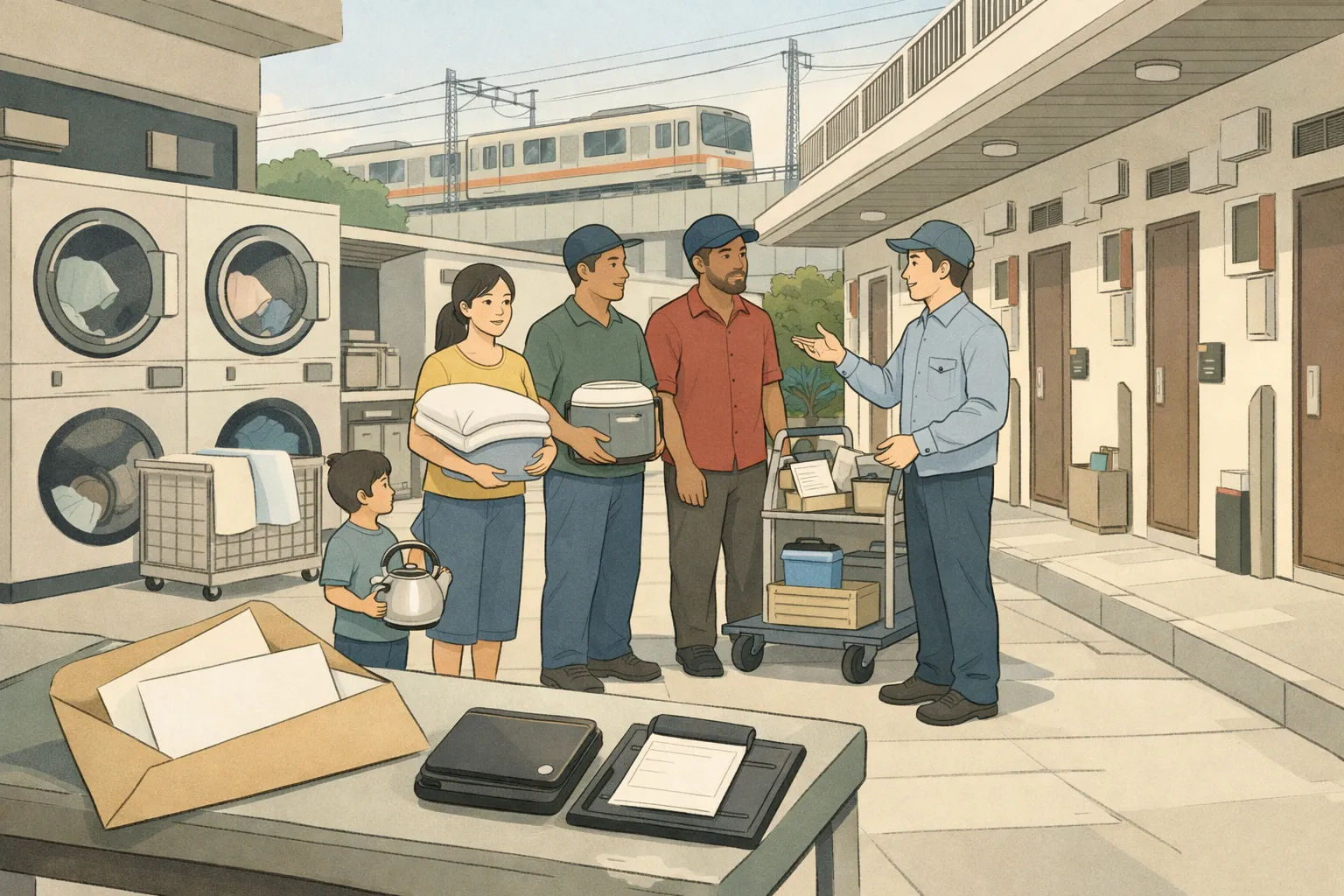
Typical patterns of support provided by companies include the provision of dormitories, leased company housing, initial cost assistance, guarantor services, and interpretation support. These supports are designed to help Vietnamese individuals start their lives smoothly in Japan.
For example, UNO Group provides dormitories and housing support for the Vietnamese community. Additionally, Bec Tieu offers rental brokerage for foreigners and introduction of real estate investment properties as part of their housing support. Furthermore, SUSHILA Co., Ltd. provides life support that includes housing arrangements.
These companies and organizations support the employment and housing of Vietnamese people, helping them to live in Japan. Support with dormitory and housing assistance is an important factor for Vietnamese individuals to work safely in Japan.
Key Points
Companies that support the employment of Vietnamese people in Japan mainly provide dormitory and housing assistance in industries such as manufacturing and food service. This includes dormitories, leased company housing, initial cost subsidies, and guarantor services, creating an environment where Vietnamese individuals can live safely.
When Vietnamese individuals aim for employment in Japan, it is important to utilize systems such as scholarships, rent subsidies, one-time payments, and local government support. I will explain the steps and precautions for effectively utilizing these systems.
How to Find Systems
First, regularly check the official websites of various Japanese local governments, universities, and specialized institutions. In particular, information about employment support programs for Vietnamese individuals and dormitory and housing support is provided with the latest updates on these sites. Additionally, JapaneseVietnamese communities and SNS groups can also be valuable sources of information.
General Application Conditions
Each system has conditions that applicants must meet. For example, in the case of scholarships, it is required that the residency status is "student." Additionally, for applications for rent subsidies and one-time payments, household income and residency requirements are generally considered. It is necessary to check the specific conditions for each system.
Points that are likely to lead to application rejection
When applying, one important point to be aware of is the strict adherence to the deadline. In many systems, applications submitted after the deadline will not be accepted. Additionally, deficiencies in required documents and name discrepancies can also lead to application rejection. Especially for applications with dormitory and housing support, it is important that the name of the contract holder matches the name of the applicant. Before applying, double-check the required documents to ensure there are no deficiencies.
By properly completing these procedures, Vietnamese can effectively receive employment activities and living support in Japan. Utilize the dormitory and housing support system and start your life in Japan with peace of mind.
Points
When utilizing scholarship and housing support systems for Vietnamese in Japan, it is important to check the conditions and strictly adhere to the application documents and deadlines.
How to choose housing considering the living environment after employment
How to Choose a Residence Considering the Living Environment After Employment
When advancing in your job search, choosing a residence in Japan is a very important factor. The first consideration should be the convenience of commuting. If commuting takes a long time, it can affect work performance and quality of life. Especially for a Vietnamese working in Japan, it is recommended to consider the distance between the workplace and residence and to live in a location with good access. It is also important to check the availability of public transportation and the surrounding environment.
Next, it is necessary to consider the household budget. Analyze how much dormitory fees will cost and how they compare to general rentals. In particular, utilizing the dormitory and housing support programs provided by companies can often help reduce costs. Conversely, when choosing a general rental, be cautious of hidden costs such as renewal fees and security deposits.
Additionally, considerations regarding health and safety are essential. It is important to check whether the area has good security and whether necessary facilities for daily life are available. In Japan, there are differences in security depending on the region, so it is advisable to conduct research in advance. It is also good to confirm whether there are hospitals and supermarkets near the residence.
Next, it is also important to consider the Japanese language environment. For Vietnamese who are not familiar with Japan, choosing residences or areas where Japanese language support is available can help in smoothly adapting to life and work. To reduce language barriers, there may be seminars offered within the residence to learn Japanese, so it is recommended to actively participate.
Don't forget the possibility of future job changes or relocations. After starting your job, there may be a need to change your residence according to your lifestyle and career. Initially, utilizing dormitory and housing support services and transitioning to general rental housing as circumstances change is also a good option. Clearly understanding the conditions and contract details at this stage is effective in avoiding unnecessary hassle.
Finally, the criteria for choosing a residence will determine whether to utilize dormitory and housing support services or consider general rental housing. Taking into account the living environment and financial flexibility, making the optimal choice will be the first step towards a safe and fulfilling life in Japan for Vietnamese individuals. Thus, it is important to wisely choose your residence based on the selection criteria.
Summary of Key Points
When choosing a residence after employment, it is important to consider the convenience of commuting, the burden of dormitory fees, health and safety, the Japanese language environment, and the possibility of future job changes. Whether to choose dormitory and housing support services or general rental housing varies depending on individual circumstances, so careful comparison and consideration are recommended.
Tips for Balancing Job Proximity and Living Convenience
Prioritize locations where the commute distance is within 45 minutes.
If you have many night shifts, focus on the route home, choosing well-lit streets and busy roads.
To enhance living convenience, check the locations of nearby supermarkets, hospitals, and government offices.
When choosing a dormitory, it is necessary to consider not only the dormitory fee but also the impact of safety and noise.
It is important to evaluate the disaster risk and choose a safe area.
To balance the proximity to work and the convenience of living, it is essential to first plan the commuting distance and commuting time carefully. Setting a standard of within 45 minutes for commuting is crucial, especially for workplaces with many night shifts, where safety during the return home becomes important. Being mindful of choosing well-lit areas with many pedestrians at night can provide peace of mind on the way back.
Additionally, the convenience of the living environment should not be overlooked. By looking for places close to essential living infrastructure such as supermarkets, hospitals, and government offices, you can significantly reduce the stress of daily life. Especially, being able to quickly buy what you need after returning from work leads to more effective use of time.
Furthermore, when choosing a dormitory, it is important to consider not only the dormitory fees but also the overall living environment. For example, researching safety and noise levels and choosing a place that ensures comfortable sleep will positively impact your health. Be sure to check the surrounding safety and consider whether daily noise is a concern.
Finally, do not forget the disaster risk of the area you choose. Especially in Japan, where natural disasters are frequent, it is necessary to investigate the local ground conditions and disaster prevention measures in advance. By choosing a place where you can live with peace of mind, you will create an environment conducive to focusing on work.
Summary of Key Points
To prioritize the convenience of living near the workplace, set your commuting time to within 45 minutes and consider your return route as well as nearby supermarkets and hospitals. Additionally, it is important to consider not only the dormitory fees but also safety, noise, and disaster risks, and to choose a safe and comfortable living environment.
In Japan, there are several terms in rental contracts that can be particularly confusing for Vietnamese people. First, shikikin (security deposit) is the amount paid when moving into a property, which may be partially or fully refunded if the property is restored to its original condition at the end of the contract. In contrast, reikin (key money) is a one-time payment made to the landlord or management company and is not refundable. Understanding these terms is very important and should be done in advance.
Next, I will explain the renewal fee. This is the cost paid when renewing a contract after the contract period ends, and in Japan, it is generally equivalent to one month's rent. Furthermore, the use of a guarantee company in rental contracts has been increasing. This is a system where the guarantee company pays on behalf of the contractor in case of unpaid rent, and it is often included as a condition when signing the contract.
Next, we have the penalty for early termination. This is a penalty that occurs when leaving before the contract period expires, and if not properly checked, it can lead to unexpected expenses. Additionally, attention is needed regarding the duration of stay and the contract period. Contracts are usually based on the period during which the residence status does not expire, so accurate confirmation is required.
Regarding the joint guarantor, the conditions differ for Vietnamese nationals signing rental contracts in Japan. Generally, a Japanese person or a foreigner residing in Japan is required, but there are properties with more lenient conditions regarding foreign nationality, so gathering information in advance is crucial.
Finally, attention is also needed regarding rental contracts with dormitory and housing support. In terms of dormitory fees, similar to rental contracts, a security deposit and key money may be required. Just because there is support, do not neglect to confirm the contract conditions.
Security deposit
This is the money deposited when moving into a rental property, which will be refunded if the condition is confirmed upon departure.
Key money
A one-time payment made to the landlord or manager, which is usually not refunded.
Renewal fee
The cost paid when renewing a rental contract, typically equivalent to one month's rent.
Guarantee Company
This is a system where a guarantor pays on behalf of the tenant in case of rent non-payment, and it may be required.
By understanding this information, Vietnamese people will be better equipped to understand their rights and obligations when searching for housing and signing rental contracts in Japan.
Important Points of Rental Contracts in Japan
When Vietnamese people enter into rental contracts in Japan, it is essential to understand terms such as security deposit, key money, and renewal fee.
In addition, it is necessary to check the conditions for using a guarantee company and a joint guarantor.
Terms
Description
Security Deposit
A deposit that may be refunded upon moving out.
Key Money
A one-time payment made to the landlord that is non-refundable.
A Guide to Living in Japan for Vietnamese People
For Vietnamese people to live comfortably in Japan, it is necessary to consider important factors in life after entering a residence (dormitory). A safe environment directly affects work performance and the quality of daily life. Living in a safe area allows for peace of mind when going out at night. Additionally, since the safety of neighborhoods varies, it is essential to research safety information in the surrounding area when choosing a residence in Japan. In particular, it is important to secure a safe living space while bearing the cost of dormitory fees.
Relationships are also a significant factor for Vietnamese people living in Japan. Connections with lifelong friends and colleagues enhance the quality of social life. In a dormitory, you can interact with other foreigners who are also challenging themselves in Japan, creating an environment of mutual support. Such relationships help reduce stress and contribute to job continuity. To enhance reliability in the workplace, it is key to consciously build a community.
Furthermore, cultural adaptation is also an essential factor. To reduce the confusion and stress that arise from being in a different culture, it is important to understand local customs. By experiencing Japanese culture and values, smooth communication in the work environment is promoted, and living in the dormitory becomes more fulfilling. Building a community where you can be accepted brings a sense of mental security and helps ensure that dormitory fees are not wasted.
When these elements are in place, Vietnamese individuals can smoothly adapt to life in Japan and lead a fulfilling daily life. It is necessary to effectively utilize the system with dormitory and housing support and implement these suggestions to prevent early departure. Remember that a comfortable life is born not just from a living space, but from the interaction with a pleasant community.
Summary of Points
For Vietnamese individuals to live comfortably in Japan, selecting safe housing, building relationships, and cultural adaptation are crucial. These factors contribute to the continuity of work and help prevent waste of dormitory fees.
Choosing Safe Housing
Building Good Relationships
The Importance of Cultural Adaptation
Safety of Housing and Connection with the Community
ℹ️ Additional Information
When using housing support, it is advisable to carefully check the contract details and consider your own security measures as needed.
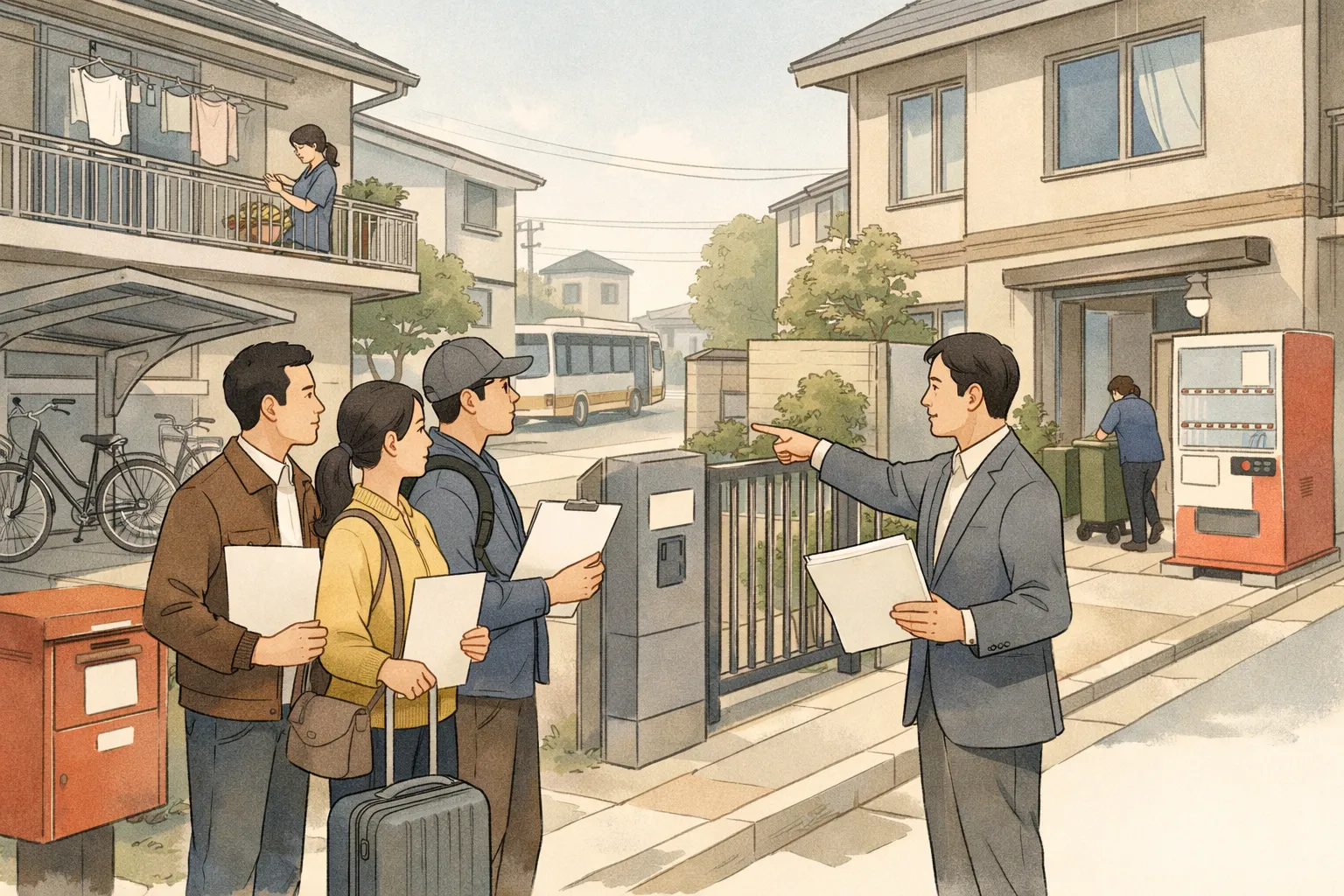
Safety at home is particularly important for Vietnamese individuals aiming to find employment in Japan. First, security measures include managing keys. Always lock your room, and especially remember to check it when going out. Additionally, when it comes to receiving packages, it is necessary to think in advance about how to handle situations when you are not at home. For example, using a delivery box allows you to receive packages without letting the delivery person know you are not home. It is also important to clearly communicate your intentions regarding solicitations from door-to-door sales and other similar approaches.
⚠️ Attention
Be especially cautious of door-to-door sales solicitations and make an effort not to purchase unnecessary products.
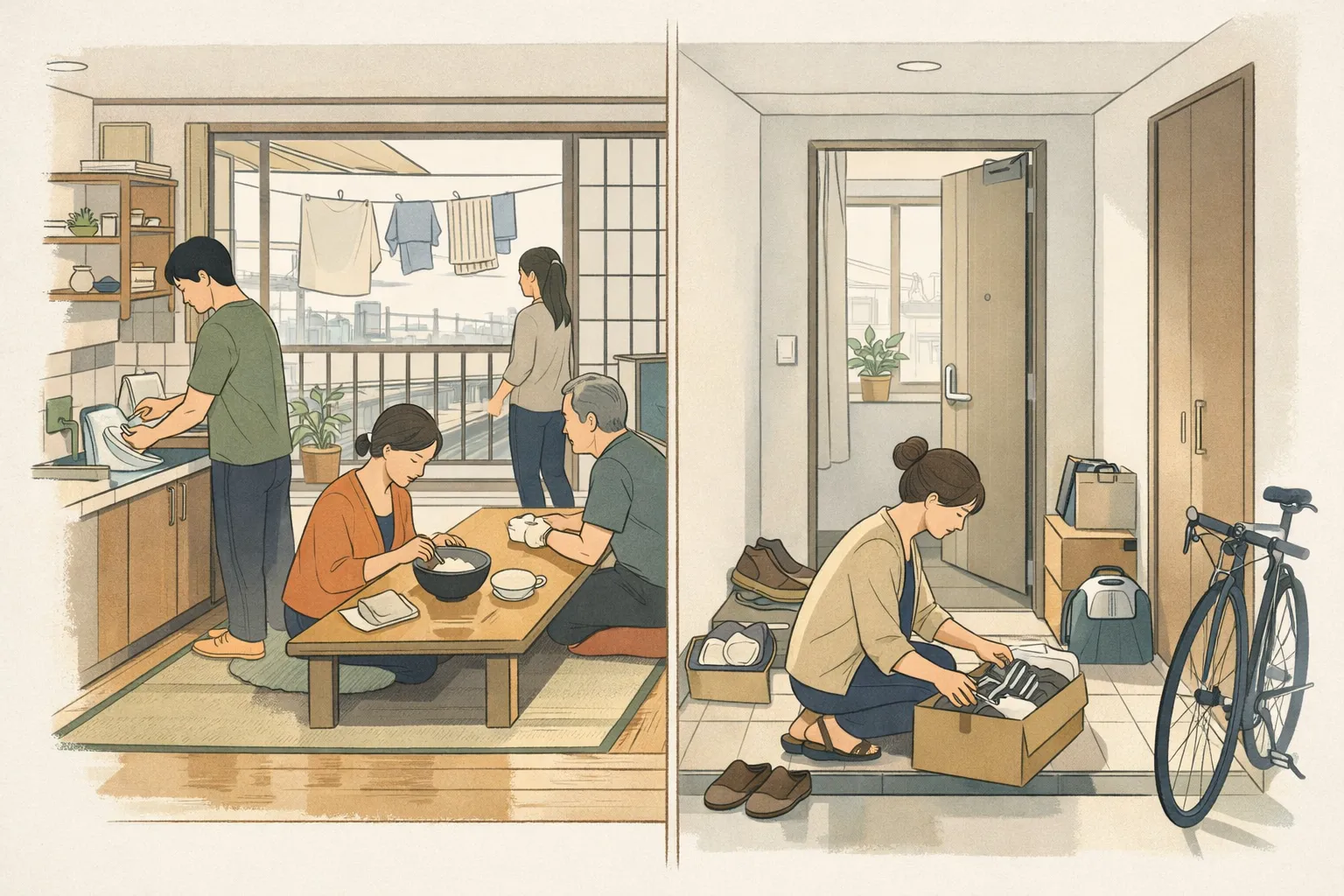
Preparation for natural disasters is also necessary. Earthquakes and typhoons frequently occur in Japan. First, check the evacuation centers near your residence and create an emergency packing list for peace of mind. Additionally, by gathering disaster preparedness supplies and regularly checking them, you can be ready for sudden disasters. In dormitories, adherence to certain dormitory rules is required. Discussing how to maintain a comfortable living environment with your peers, such as cleaning shared spaces and managing noise, can also be useful.
💡 Points
By communicating with your peers and cooperating with each other, you can build a better living environment.
To avoid troubles with neighbors, maintaining a good relationship with the local community is essential. When moving, it is important to greet your neighbors and interact politely. In Japan, a culture that values etiquette is deeply rooted, and good relationships with neighbors are directly linked to stability in life. Additionally, deepening relationships with your company and colleagues creates a sense of security and reduces work-related stress. A proactive attitude towards participating in company events and team building is required.
ℹ️ Additional Information
In case of emergency, always check your contact information. It is necessary to keep a note of the phone numbers for the company, human resources, management company, as well as the police (110) and fire department (119).
Comment from the author
The safety of your home and connections with the community are important elements that support a comfortable life in Japan. For Vietnamese people to enjoy their work life with peace of mind, crime prevention, disaster preparedness, and good relationships with neighbors are essential. By being aware of these factors, you can lead a more fulfilling daily life.
Ways to adapt to cultural differences and lifestyle habits
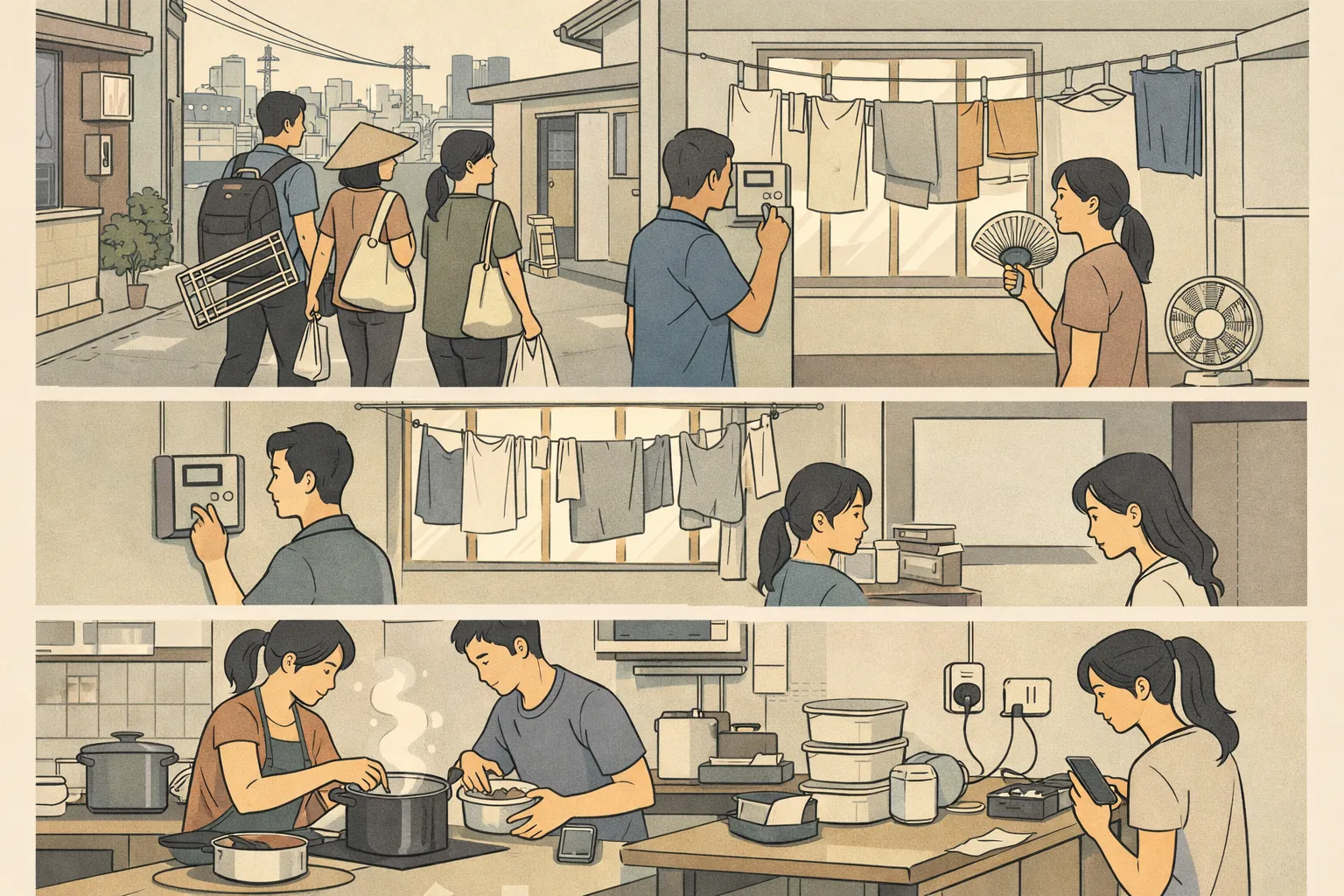
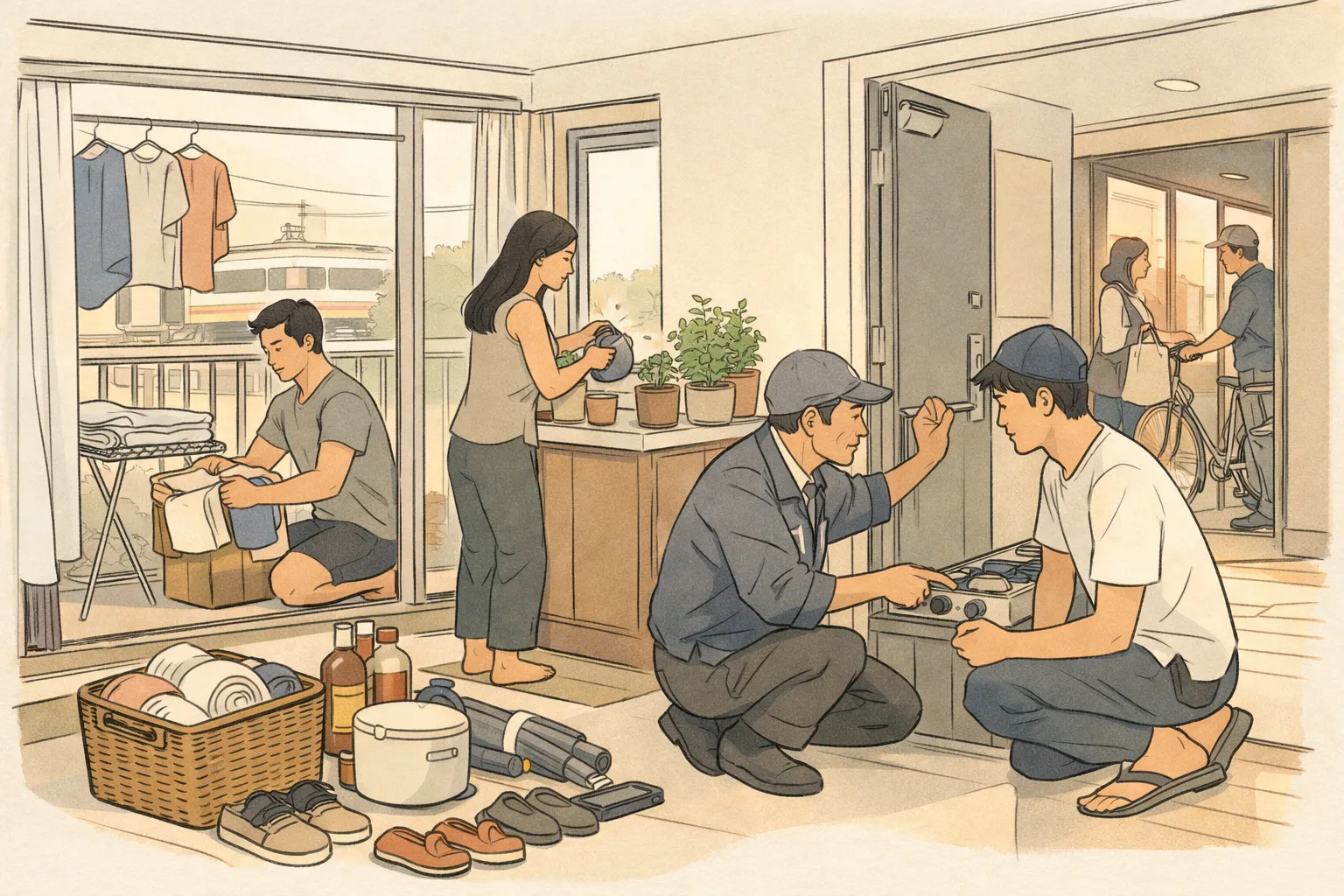
To live comfortably in Japan, understanding cultural differences is essential. In particular, many points related to lifestyle habits can cause friction for Vietnamese people adapting to Japanese workplaces and communities. Here, we will outline the main friction points, their causes, countermeasures, and include simple Japanese phrases.
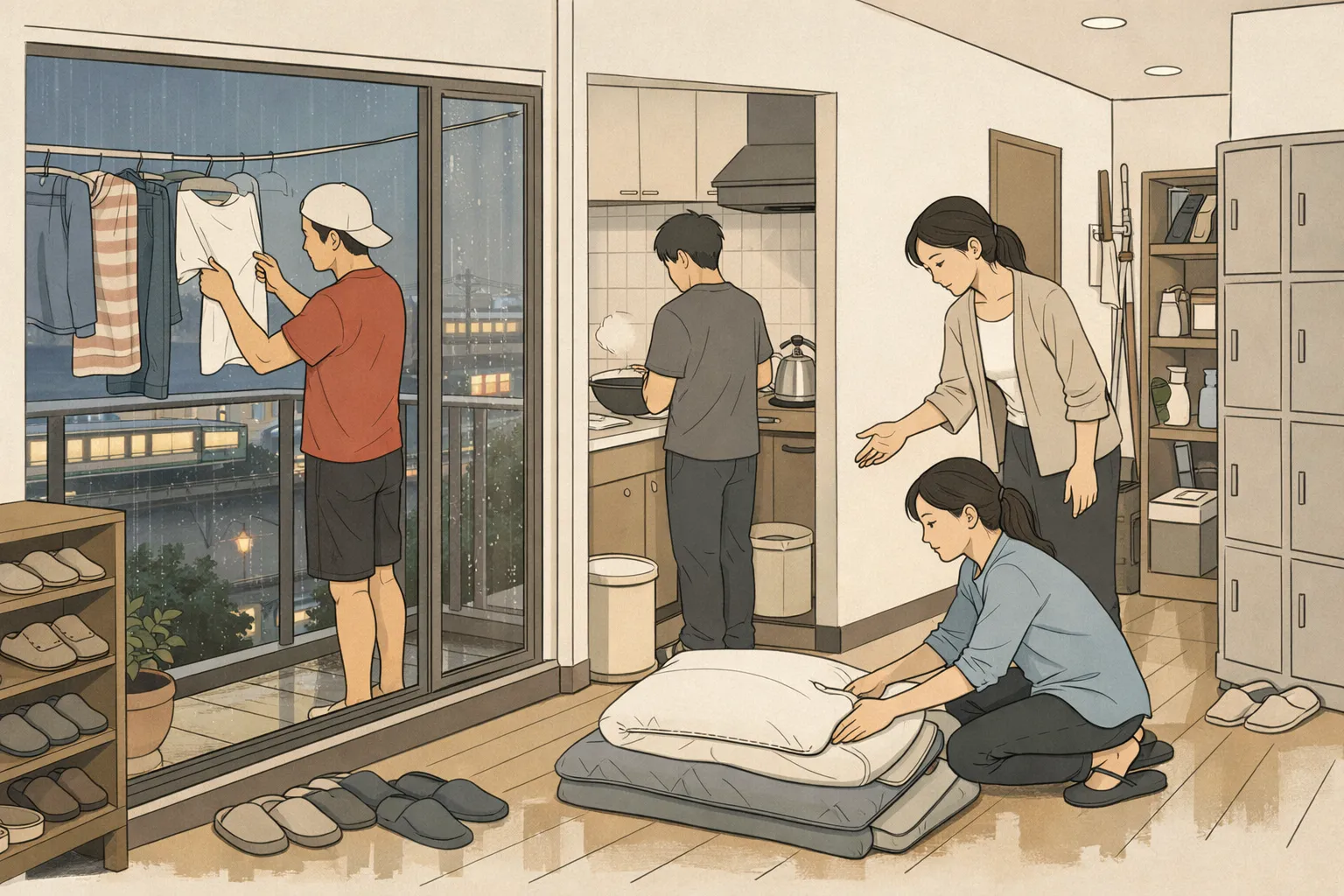
The first point is the rules for garbage disposal. In Japan, garbage separation is very strict. If you dispose of garbage without understanding the rules, you may be warned by neighboring residents. As a countermeasure, it is effective to prepare posters that clearly show the garbage separation methods within your residence or dormitory. A simple phrase: "Please separate your garbage."
Next, managing noise is important. Especially in shared spaces like dormitories, nighttime noise can be a concern. This issue can be resolved by establishing nighttime rules in advance and everyone adhering to them. It is good to have the mindset of "Let's keep it quiet at night."
Punctuality is also an important element in Japanese society. Failing to meet deadlines or pick-up times can lead to a loss of trust. As a countermeasure, using a schedule management app and setting alarms can be effective. "Let's keep time."
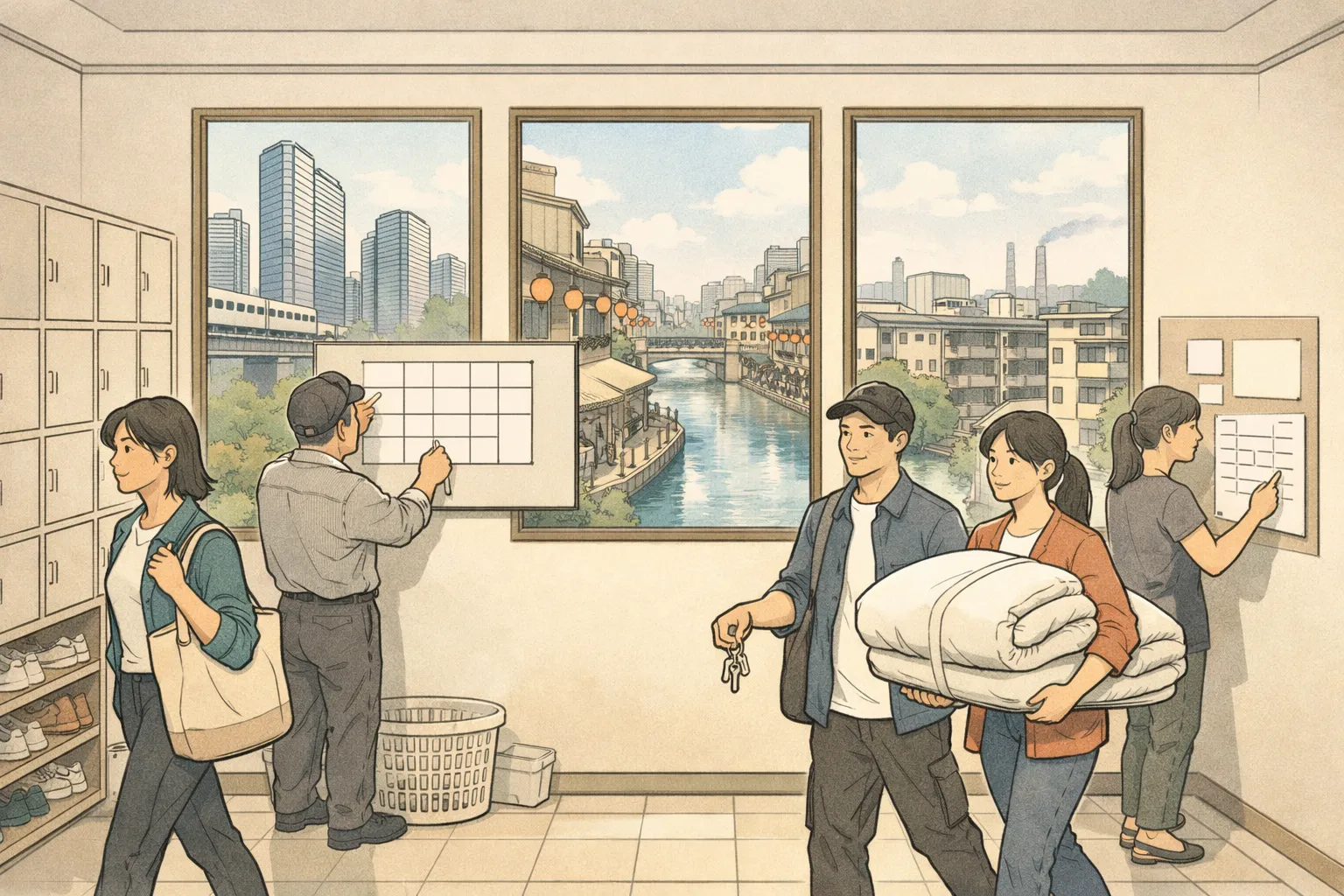
Regarding the use of shared spaces, it is necessary to consider how to use the common areas. By deciding on the division of cleaning duties, you can avoid troubles among residents. "Let's cooperate in cleaning."
When it comes to bathing and ventilation habits, understanding how to use the bathtub or shower and being considerate of others is key. Additionally, to solve the odor problem, it is important to ensure proper ventilation in the room. "Don't forget to ventilate."
Consideration is also necessary for guests. Especially, late-night visits should be avoided. It is important to communicate plans in advance and respect the other person. "Let's refrain from late visits."
Finally, the rules regarding non-smoking/smoking are also points to be observed, but many cities in Japan have strict smoking regulations. Smokers are required to use designated areas and be considerate of others. "Let's smoke in designated areas."
In facilities with housing support, it is common to provide support and educational programs regarding these points. By utilizing this environment, Vietnamese individuals can more easily adapt to Japanese lifestyle habits.
```html
Important Points of Lifestyle Habits
Living in Japan involves,
Garbage Disposal: Separation is required
Noise: Keep quiet at night
Punctuality: Time management is important
Shared Space: Division of cleaning duties
Odor: Be mindful of ventilation
Visitors: Consideration for time
Smoking/Non-Smoking: Smoke in designated areas
Pay attention to these and make use of dormitory support to adapt.

 03-6222-9855
 Guide to Working in Japan
 History
 About this site
 Login


 About this site
 Contact





















 COLUMN CATEGORY
 2026.08.04
Comment from the author
For Vietnamese individuals aiming to find employment in Japan, preparation is extremely important. By thoroughly understanding the necessary information and choosing job offers that include dormitory or housing support, you can also ensure stability in your life. Please conduct thorough research to realize a new way of working in Japan.