
 03-6222-9855
 Guide to Working in Japan
 History
 About this site
 Login


 About this site
 Contact

チェックポイント
ベトナム人が日本で就職し、永住権を取得するためには、まず適切な在留資格を取得する必要があります。在留資格を維持しながら、安定した生活基盤を築くことが重要です。一般的なルートやポイント制、配偶者に関する特例もあります。重要なのは、職業や税金の義務を果たすことが永住権申請の条件となることです。



More and more Vietnamese people are getting employed in Japan, and we will clarify how they can stabilize their lives in Japan and eventually obtain permanent residency. First, to get a job in Japan, it is necessary to obtain the appropriate residency status. The residency status varies by occupation, and holding a work visa allows you to legally work in Japan. Maintaining your residency status is the first step in applying for permanent residency.
Permanent residency is a very important status for settling down, and generally requires living in Japan for at least 10 years and fulfilling tax obligations. By establishing a stable living foundation through employment, the possibility of applying for permanent residency in the future increases. In particular, due to the point system introduced for certain professions, high skills and long-term job stability directly influence the acquisition of permanent residency.
In this article, we will discuss common routes and the point system in detail, but there are also exceptions, such as for those with spouses. As a premise for Vietnamese people aiming for employment, we will introduce the flow from being an international student aiming for employment to transitioning from technical training to specified skills and ultimately applying for permanent residency. This will make it easier for readers to find a method that suits them.
The process of applying for permanent residency is simple, but it is essential to understand the necessary documents and conditions and to prepare thoroughly. Finding a job in Japan is the first step, and subsequent factors such as the contract details, duration of employment, and enrollment in social insurance are important criteria for the application for permanent residency. For Vietnamese individuals to obtain permanent residency, it is necessary to first reassess their situation and take the required steps in order.
ベトナム人が日本で就職し、永住権を取得するためには、まず適切な在留資格を取得する必要があります。在留資格を維持しながら、安定した生活基盤を築くことが重要です。一般的なルートやポイント制、配偶者に関する特例もあります。重要なのは、職業や税金の義務を果たすことが永住権申請の条件となることです。
参考: 永住権とは?帰化との違いや、在留資格「永住者」の取得要件・申請について解説 | 外国人採用サポネット | マイナビグローバル
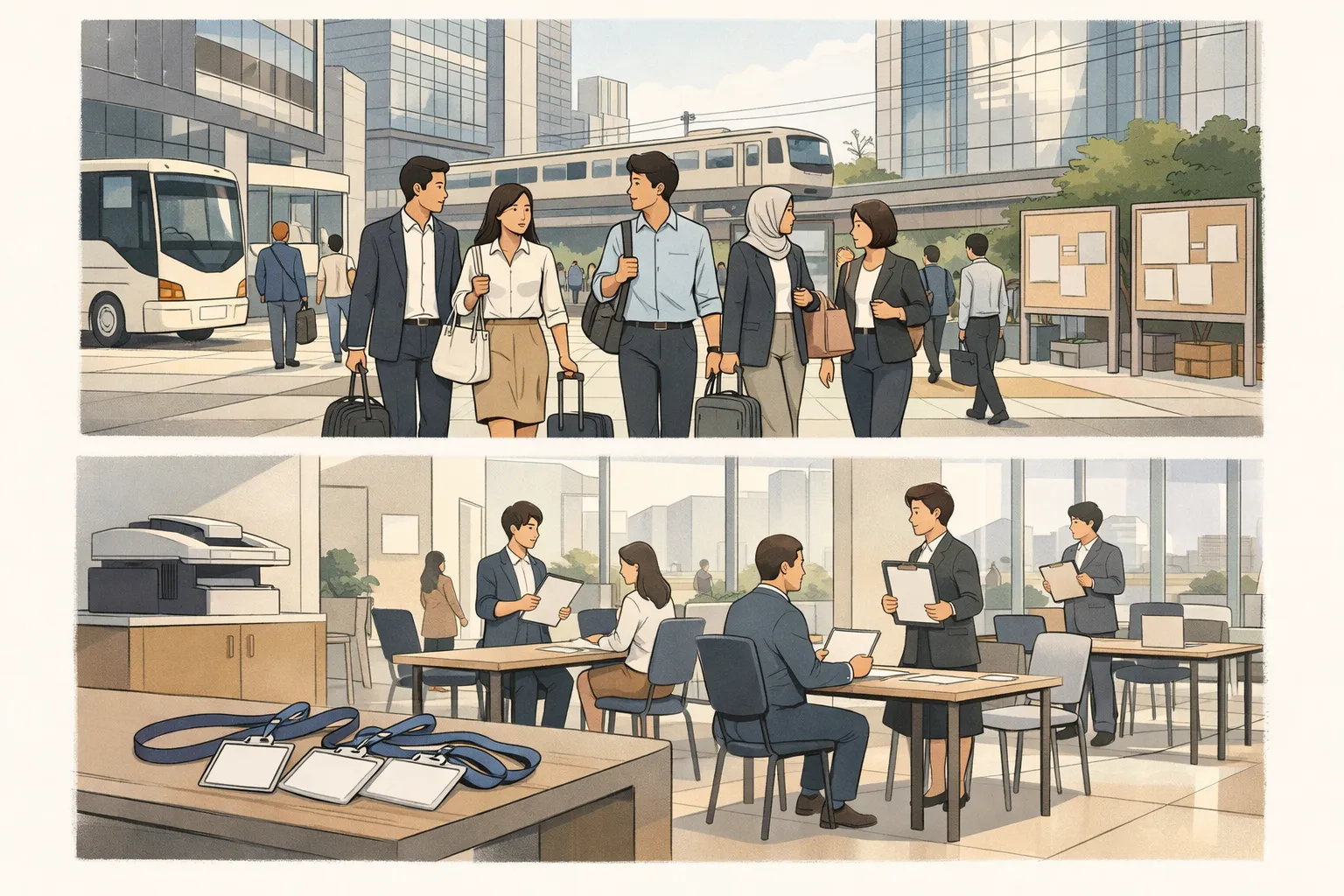
Demand for Vietnamese Workers in the Job Market in Japan
Japan's job market is seeking Vietnamese labor in many industries. In particular, there is significant demand in fields such as IT, manufacturing, nursing, food service, construction, and interpretation/trade.
In the IT field, Vietnamese engineers with advanced expertise are active in tasks such as software development and system design. Japanese companies highly value the excellent technical skills and diligence of Vietnamese workers.
In the manufacturing industry, Vietnamese technical interns play a crucial role in machining and assembly work. Japanese manufacturing places importance on the dexterity and commitment to quality of Vietnamese workers.
In the nursing field, Vietnamese candidates for nursing care workers are active in elderly care facilities in Japan. Based on the economic partnership agreement between Japan and Vietnam, the acceptance of Vietnamese nurse and nursing care worker candidates is being promoted. (Reference: mhlw.go.jp)
In the food service industry, Vietnamese chefs and service staff are active in Japanese restaurants. They contribute to menu development that incorporates Vietnamese food culture and promote cross-cultural exchange.
In the construction sector, Vietnamese technical interns are working on civil engineering and construction sites. The Japanese construction industry values the technical skills and adaptability of Vietnamese workers.
In the interpretation/trade field, there is a growing demand for interpretation and trade administration utilizing the language skills of Vietnamese individuals. With the expansion of economic exchanges between Japan and Vietnam, the role of Vietnamese workers is becoming increasingly important.
When companies hire Vietnamese individuals, they evaluate factors such as Japanese language proficiency, expertise, suitability of residency status, and retention. In particular, Japanese language proficiency is essential for performing tasks, and there is a demand for improving the Japanese language skills of Vietnamese workers.
Additionally, as residency statuses for Vietnamese individuals, there are specific skills and technical, humanistic knowledge, and international business, and hiring must be for job content that matches these qualifications. Companies are required to establish job designs and support systems that align with the residency qualifications of Vietnamese individuals. (Reference: moj.go.jp)
Furthermore, to enhance the retention of Vietnamese individuals, initiatives such as living support and career advancement support are important. Companies are required to implement measures such as living support and career advancement support to improve the retention of Vietnamese individuals.
The demand for Vietnamese individuals in the Japanese job market is expected to continue to rise. Companies are required to confirm appropriate residency qualifications and establish support systems when hiring Vietnamese individuals, thereby expanding opportunities for Vietnamese individuals to thrive.

In the Japanese job market, the demand for Vietnamese individuals is increasing in fields such as IT, manufacturing, and nursing care. Particularly, Japanese language proficiency, expertise, and suitability of residency qualifications are factors valued by companies. The active participation of Vietnamese talent is expected to continue in the future.

| Residence Status | Eligible Occupations | Requirements | Ease of Job Change | Ease of connection to permanent residency |
|---|---|---|---|---|
| Technical, Humanities, and International Business | IT, Interpretation, and Trade | University graduation or equivalent practical experience | Relatively easy to achieve | Easy to connect |
| Skills | Manufacturing and construction industries | Possession of specialized skill qualifications | Somewhat difficult | Somewhat difficult |
| Specified Skilled Worker No. 1 | Nursing care, food service industry | Pass the specified skilled worker exam | Easy | Easy to connect |
| Specified Skilled Worker No. 2 | Advanced technical occupations | Practical experience and qualifications required | Very easy | Easy to connect |
| Highly specialized profession | Research, development, and management | High academic background or achievements | Very easy to do | Easy to connect |
Vietnamese people have various types of residency qualifications to work in Japan. Each residency qualification has different characteristics regarding the applicable job types, requirements, ease of changing jobs, and pathways to permanent residency. Based on this information, it is important to choose the most suitable visa for yourself and to plan for employment in Japan and future acquisition of permanent residency.
For example, the Technical, Humanities, and International Services visa is mainly required for jobs related to IT, interpretation, and trade, and requires a university degree or practical experience. This visa allows for relatively easy job changes and has the advantage of being easier to connect to permanent residency. On the other hand, the Skilled visa is for engaging in manufacturing or construction and requires specialized skills. While changing jobs is more difficult with this visa, accumulating achievements can lead to the possibility of permanent residency.
Next, the Specified Skilled Worker 1 and Specified Skilled Worker 2 visas are specialized for nursing care and the food service industry, requiring passing a specified skills exam. However, Specified Skilled Worker 2 requires advanced skills and allows for very easy job changes. These qualifications also open pathways to permanent residency. Finally, the Highly Skilled Professional visa is for highly educated individuals, particularly promising for career advancement after employment, providing favorable conditions for Vietnamese people.
In this way, each residency qualification is an important element for obtaining employment, career development, and future permanent residency in Japan. Choosing a qualification that matches your skills and career is the first step to success.
Vietnamese can obtain residence status for employment in Japan under categories such as Technology, Humanities, International Services, Skills, Specified Skills, and Management. It is important to choose each status based on the relevant job types, requirements, ease of changing jobs, and the path to permanent residency.
| Residence Status | Features |
|---|---|
| Technology, Humanities, International Services | A university degree or practical experience is required |
| Specified Skills | Passing the exam is required and applicable to various job types |
Reference: A comic explaining how to obtain permanent residency from a technical intern trainee

Procedures for Obtaining Permanent Residency in Japan for Vietnamese People
The number of Vietnamese people employed in Japan is increasing, and along with this trend, there are many people aiming to obtain permanent residency. Permanent residency is an important status for settling in Japan, but it is essential to understand the basics of the application process. Permanent residency is subject to a "permit system," and certain conditions must be met to obtain it. Particularly important are the number of years of residence in Japan, tax payment status, and conduct. Specifically, it is generally required to have resided in Japan for over 10 years and to have paid taxes properly.
In addition to the general requirements, there is a route to shorten the acquisition of permanent residency if one is evaluated as a "highly skilled professional" as an exception. Furthermore, if a spouse is Japanese or if one is engaged in a specific profession in Japan and recognized as a permanent resident, there is a possibility to apply for permanent residency earlier than usual. This makes it a reality for many Vietnamese people to reside in Japan through various routes while obtaining permanent residency.
What is important is that the application for permanent residency requires strict document preparation. Since the confirmation of one's residency status, the content of the employment contract, and the status of various insurance enrollments are included in the examination criteria, it is necessary to organize this information in advance. Additionally, information demonstrating conduct and independent livelihood also affects the acquisition of permanent residency. For Vietnamese people aiming for employment in Japan and wishing to obtain permanent residency, it is important to clarify one's migration plan and proceed according to the necessary procedures.
There are generally two main routes for obtaining permanent residency: the general route and the exception route, which can be obtained depending on one's history of stay and profession in Japan.
Reference: ★Basic Information = Foreigners Working in Japan (Overview) | Kokoro VJ

In the application for permanent residency, it is very important to clearly understand the main requirements. Here, we will organize the conditions and necessary documents for Vietnamese people to obtain permanent residency in a checklist format. Please check the points below and use them as reference materials for your permanent residency application.
First, here are the main requirements for applying for permanent residency. If these requirements are not met, the application may be denied, so caution is necessary.
Next, we will organize the necessary documents for the application into several categories. These documents may vary depending on the municipality and circumstances, so it is important to confirm in advance.
Specifically, there are points where many Vietnamese tend to stumble, such as applying immediately after changing jobs, unpaid pension contributions, and overdue resident tax. Care is also needed when applying if there are issues related to dependents or if the residency expiration date is approaching. For these cases, it is necessary to check the required documents and support in advance. Let's prepare to ensure that we meet the conditions and proceed smoothly with the permanent residency application.
The application for permanent residency has key requirements such as residency status, work history, income, tax payments, and social insurance enrollment. Additionally, the necessary documents are categorized into personal, identity, and income-related sections, and they vary by municipality, so please check in advance. Special attention is needed, especially right after changing jobs or regarding tax payments.
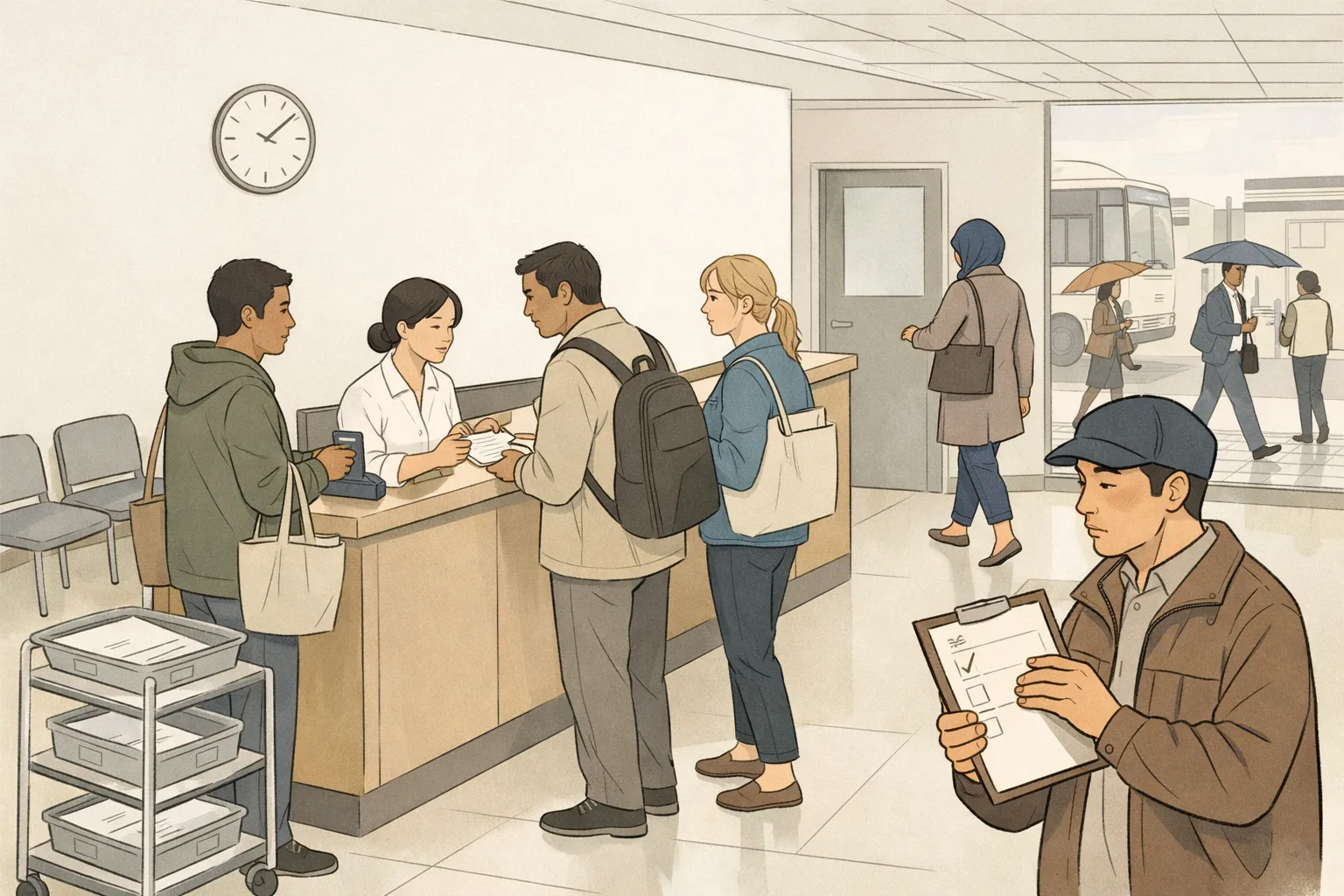
Preparation Before Application
When Vietnamese individuals wishing to work in Japan apply for permanent residency, they must first obtain the appropriate residency status. To obtain a work visa, a contract of employment with an employer is a prerequisite.At this stage, prepare documents such as the employment contract and resume in preparation for the application for the certificate of eligibility for residency.
Document Collection
Required documents for the application include resume, diploma, employment contract, application form for the issuance of the certificate of eligibility for residency, and others.These documents are required when applying to the regional immigration bureau.Inaccuracies in documents, translation errors, or false statements can lead to the rejection of the application, so it is important to prepare accurate and complete documents.
Apply at the Regional Immigration Bureau
After preparing the necessary documents, submit the application for the certificate of eligibility for residency at the regional immigration bureau.The period from application to issuance is approximately 1 to 3 months.At the time of application, the application form, employment contract, and resume will be required.
Additional Document Submission
After application, you may be asked to submit additional documents by the local Immigration Bureau. In this case, it is required to submit the necessary documents promptly.If the submission of additional documents is delayed, it may prolong the review process, so prompt action is important.
Result Notification
Once the review is complete, the Certificate of Eligibility will be issued.This certificate is required when applying for a visa at the Japanese embassy or consulate. The time until issuance may vary depending on the application details and circumstances.
Post-Approval Procedures
After the visa is issued, you will enter Japan and receive your Residence Card. Within 14 days of entering the country, you should complete your resident registration at the city hall and proceed with the enrollment procedures for National Health Insurance and pension. These procedures are necessary to smoothly start your life in Japan.
Standard Review Period Guidelines
The period from application for the Certificate of Eligibility to issuance is usually about 1 to 3 months.However, depending on the application details and circumstances, the review period may be extended.Before applying, accurately prepare the necessary documents and confirm that there are no deficiencies in the application content, as this leads to a smoother review.
Application Timing (Relation to Residence Expiration)
If your residence expiration is approaching, it is advisable to apply for the Certificate of Eligibility as early as possible. Considering the period from application to issuance, aim to apply with ample time to spare.
Points for Reapplication and Review When Not Approved
If your application is not approved, recheck whether there were any deficiencies in the application content or submitted documents, and consider reapplying after making necessary corrections. In particular, it is important to focus on reviewing the contents of your residency status and employment contract to ensure there are no issues.**
Applying for permanent residency in Japan requires following a solid
step-by-step process from document preparation to submission to the regional immigration bureau. Be sure to keep in mind the important points for notification of results and reapplication.
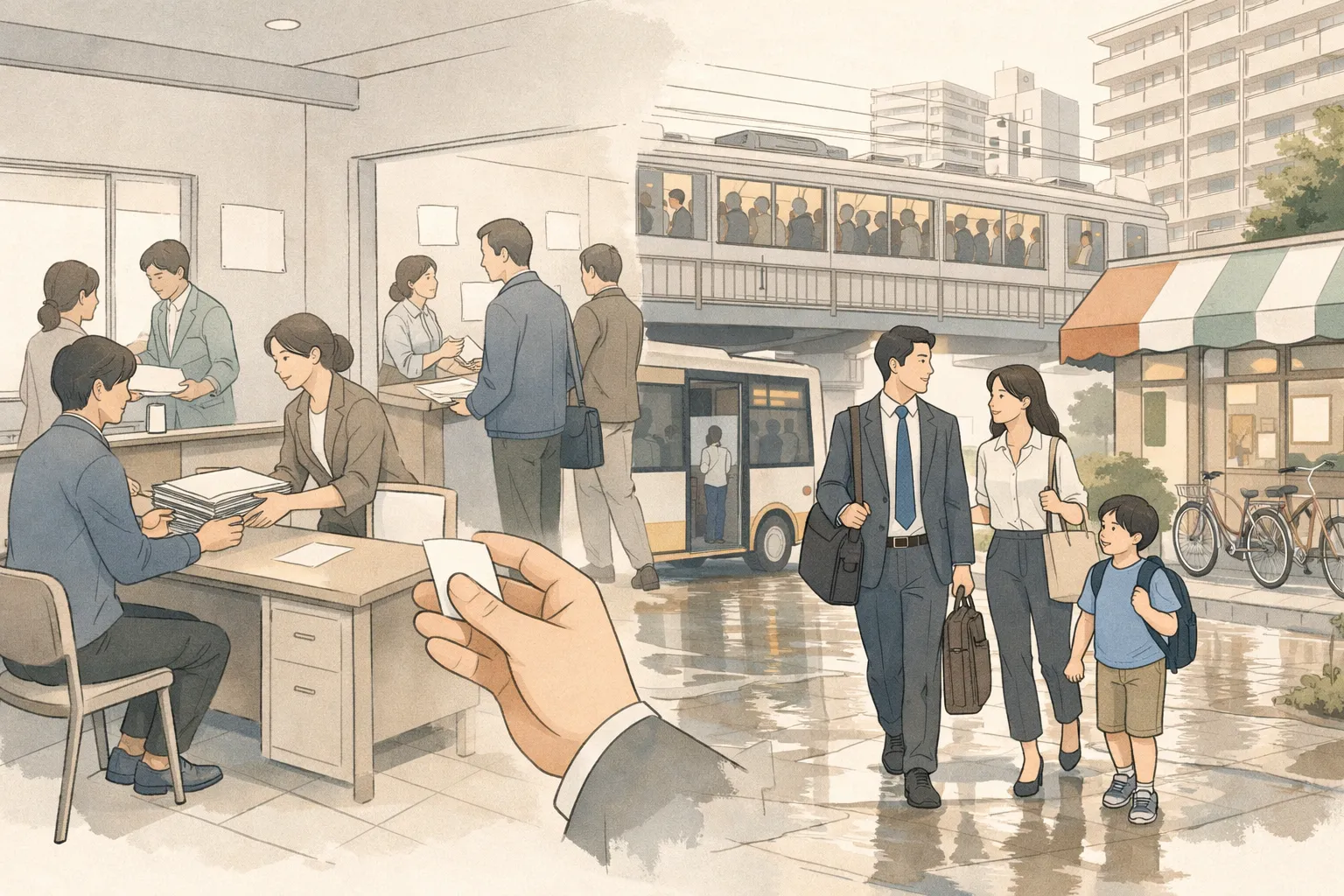
Points for Vietnamese people to smooth their life in Japan.
For Vietnamese people hoping to find employment in Japan, obtaining permanent residency is one of the major goals. However, there is a prerequisite that the application for permanent residency requires first establishing a “stable living foundation.” Specifically, securing comfortable housing and maintaining a stable household budget significantly impact continuation of employment and permanent residency review, so caution is necessary.
Housing is the foundation of daily life. Obtaining a resident certificate through a rental contract and securing stable housing will positively influence future permanent residency applications. Additionally, effectively managing household finances, including housing costs, serves as evidence of economic stability and can create a good impression towards permanent residency by demonstrating sufficient employment conditions.
Furthermore, it is important to prepare the necessary procedures for advancing your life. Documents and procedures such as resident certificates, bank accounts, mobile phone contracts, and insurance or pension enrollment are essential for smoothly progressing life in Japan. These procedures are interrelated and form part of the review criteria, so adequate preparation is required.
As the next step, let’s move on to the specific details of housing and living expenses. These elements are essential for Vietnamese people to stabilize their life in Japan as another important point.

When aiming to obtain permanent residency, it is important to prioritize the stability of your living foundation. Securing housing and managing your finances stably will positively impact your continued employment and the review process. Additionally, the accuracy of the procedures is also greatly involved, so be sure to prepare the necessary documents in advance.
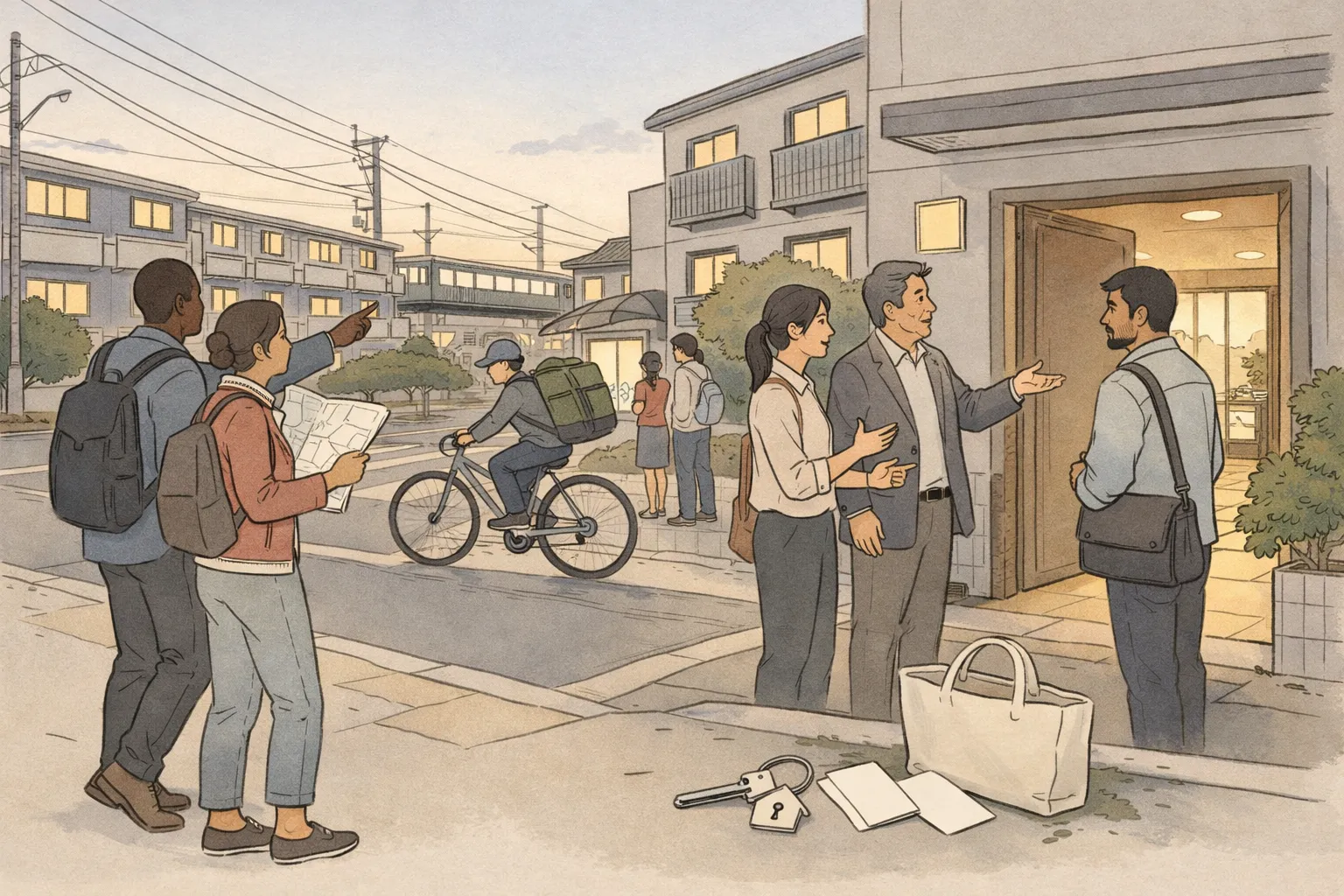
How to Search for Housing and Choose a Region in Japan
Searching for rental properties in Japan can be a challenging process, especially for foreign nationals from Vietnam. First, using real estate websites is a common way to find properties. Platforms like "SUUMO" and "HOME'S" offer a variety of options. Additionally, searching through a real estate agent can also be effective. Agents have detailed knowledge of local information and can be a reassuring presence, especially for those coming to Japan for the first time. Furthermore, UR rental and public housing are also options, but these often have strict application requirements. Share houses are recommended for those looking to keep costs down or wishing to interact with other Vietnamese.
When renting a property, initial costs are also important. Generally, there are financial burdens such as key money, deposit, and guarantor fees. These costs vary depending on the property's location and conditions, so it's advisable to conduct a simulation in advance. At the same time, during the tenant screening process, factors such as income stability, presentation of a residence card, and emergency contact information are emphasized. By adequately meeting these conditions, a smooth move-in process can be expected.
When choosing a location, there are several important factors to consider. First, the rental price range. In urban areas, there are many high-priced properties, while in the suburbs, relatively affordable options can often be found. Additionally, considering access to work and schools is also very important. Furthermore, the presence of a Vietnamese community and the availability of Japanese language support services are also factors in the selection process. Moreover, the level of administrative services is a point to consider for long-term living.
In the event of encountering discrimination or refusal of entry, consulting local support centers or NPO organizations can be effective. These organizations have a deep understanding of issues faced by foreign nationals and Vietnamese, making them safe to use. To establish a living environment in Japan, it is important to understand your rights and take appropriate action when problems arise.
For Vietnamese nationals, there are many options for finding housing in Japan. It is important to utilize real estate websites and agents to understand initial costs and points for tenant screening. When choosing a location, consider factors such as rent levels, commuting access, and the presence of a Vietnamese community. If you experience discrimination, you can consult local support services.

| Items of Living Expenses | Estimated Amount (Yen) |
|---|---|
| Rent | 50,000 to 150,000 |
| Utilities | 10,000 to 20,000 |
| Communication Expenses | 5,000 to 10,000 |
| Food expenses | 30,000 to 60,000 |
| Transportation costs | 10,000 to 20,000 |
| Social insurance and pension | 20,000 to 40,000 |
| Resident Tax | 10,000 to 30,000 |
To stabilize life in Japan, understanding and managing living expenses is essential. It is particularly important for Vietnamese individuals to grasp the various costs they will face after finding employment in Japan and to plan their budget accordingly. Understanding basic expenses such as rent, utilities, and communication costs, and considering benchmark amounts as model cases is crucial. For example, while rent varies by region, it generally falls within the range of 50,000 to 150,000 yen. By utilizing this information, let's be mindful of budget allocation from our take-home pay to build a stable life.
Next, savings, remittances, and securing emergency funds are also essential factors to consider. In life in Japan, unexpected expenses may arise, so it is recommended to secure at least three months' worth of living expenses as an emergency fund. Additionally, regarding remittances, many may find it important to support their families, and this can be managed smoothly by incorporating it into the monthly budget.
To prevent overlooking taxes and insurance, it is essential to deepen your understanding, especially regarding resident tax and social insurance/pension. Japan's tax system is complex, and there are many points to be careful about, particularly for foreign nationals such as Vietnamese. Be aware of procedures and payment deadlines, and manage various documents thoroughly to avoid any potential troubles. The key to achieving long-term stability through employment in Japan lies in proper management of living expenses. By gathering appropriate information and budgeting, it will also be convenient when obtaining permanent residency in the future.
Living expenses in Japan consist of rent, utility bills, communication costs, and food expenses. For Vietnamese individuals to lead a stable life in Japan, it is important to plan budget allocation, savings, and remittances systematically. Understanding taxes and insurance is also essential, so manage them diligently.
| Item | Estimated Amount (Yen) |
|---|---|
| Rent | 50,000〜150,000 |
| Utilities | 10,000〜20,000 |
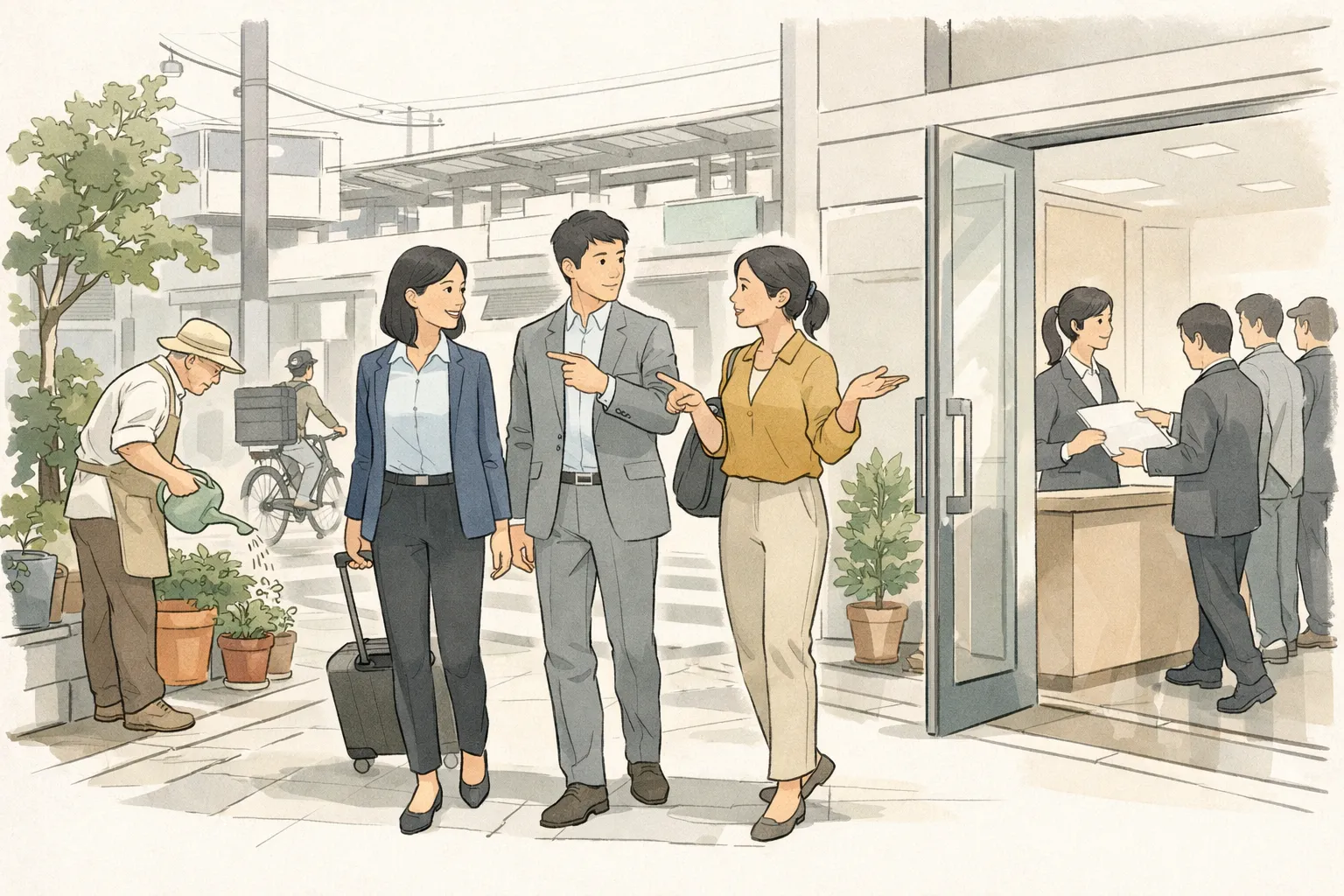
For Vietnamese aiming for employment in Japan, obtaining permanent residency is one of the major goals. To achieve this, it is essential to first establish a stable living foundation. Specifically, securing comfortable housing and maintaining a stable household budget significantly impact continued employment and permanent residency review.
Housing is the foundation of daily life. Obtaining a resident certificate through a rental contract and securing stable housing will positively influence future permanent residency applications. Additionally, effectively managing household finances, including housing costs, serves as evidence of economic stability and can create a favorable impression towards permanent residency by demonstrating sufficient employment status.
Furthermore, it is important to prepare the necessary procedures for advancing your life. Documents and procedures such as resident certificates, bank accounts, mobile phone contracts, and insurance or pension enrollment are essential for smoothly progressing life in Japan. These procedures are interrelated and form part of the review criteria, so thorough preparation is required.
As the next step, let's move on to the specific details of housing and living expenses. These elements are crucial as another important point for Vietnamese people to stabilize their lives in Japan.
For Vietnamese individuals aiming to find employment in Japan, securing permanent residency requires a stable living foundation. Ensuring comfortable housing and managing a stable household budget will impact continued employment and the permanent residency review. Let's prepare the necessary procedures and aim for a stable life.
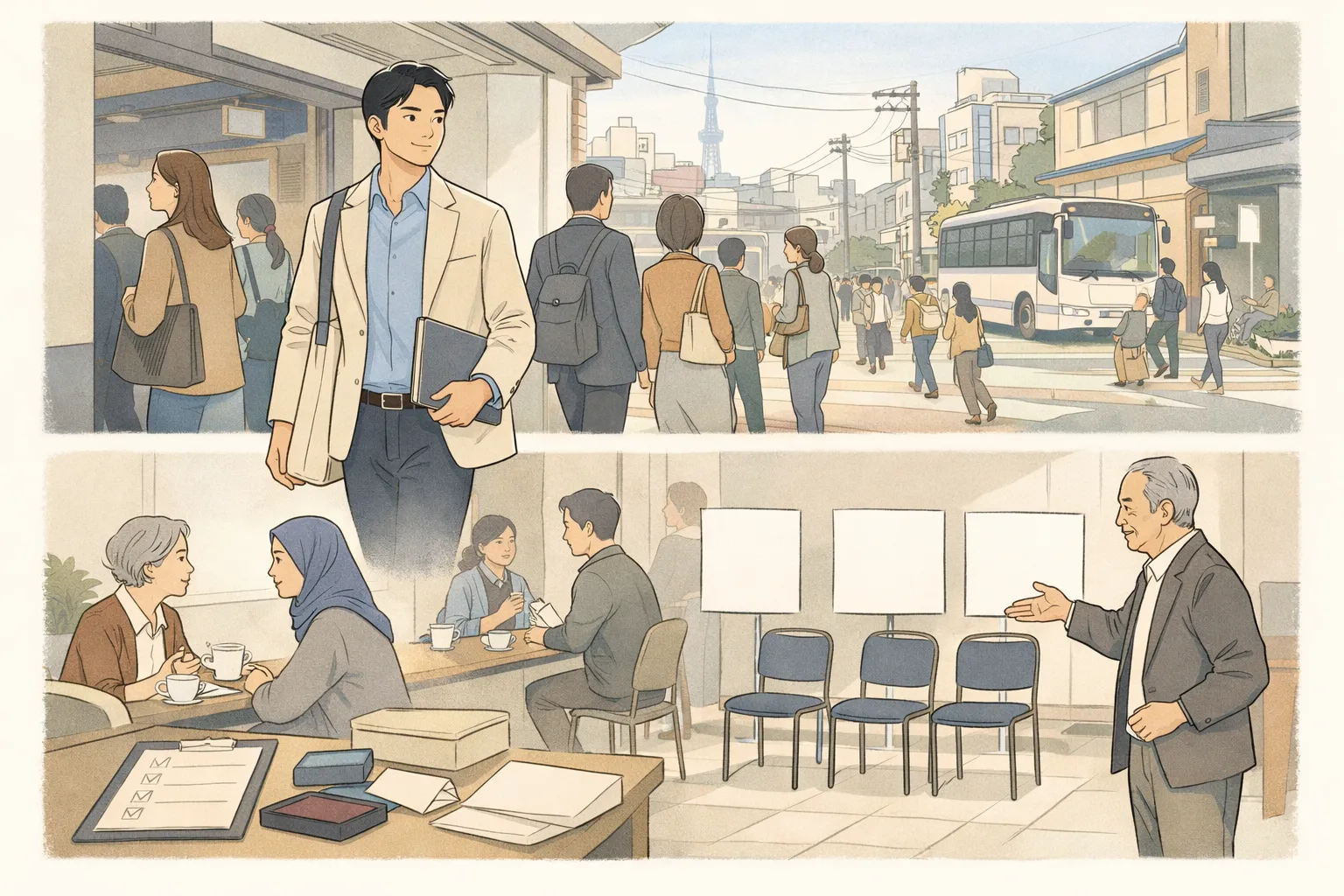
We will introduce successful cases of Vietnamese individuals aiming for employment in Japan.
Case 1: A Story of Getting a Job in the IT Industry through Japanese Language Learning and Certification
Background: Mr. Nguyen, originally from Hanoi, Vietnam, majored in information technology at university. He dreamed of working in Japan's IT industry, but he struggled with job hunting due to a lack of Japanese language skills.
Challenges: The main barriers were the lack of Japanese language skills and insufficient experience in the Japanese job market. Additionally, his understanding of Japanese employment culture and the process of interviews was also shallow.
Actions: Mr. Nguyen aimed to obtain the Japanese Language Proficiency Test N2, dedicating three hours daily to Japanese language study. Furthermore, he obtained IT-related certifications and detailed these qualifications and project experiences in his resume. During interviews, he thoroughly researched Japanese corporate culture and manners, practicing mock interviews repeatedly.
Results: A few months later, he received a job offer from a Japanese IT company and successfully secured employment in Japan. His Japanese language skills, certifications, and interview preparation paid off.
Learning:Employment in Japan requires improvement in Japanese language skills and obtaining qualifications, and adapting to Japanese employment culture is the key to success.
Case 2: A case of starting a business utilizing experience in Japan
Background: Mr. Phan from Ho Chi Minh City, Vietnam, worked in the Japanese manufacturing industry for five years. Through employment in Japan, he learned about Japanese manufacturing technology and management know-how.
Challenges: I considered starting a business in Vietnam utilizing my employment experience in Japan, but I lacked understanding of fundraising and the local business environment.
Actions: Mr. Phan utilized his experience in the Japanese manufacturing industry to investigate the needs of the manufacturing industry in Vietnam. He was confident that by introducing Japanese manufacturing technology, he could achieve quality improvement and cost reduction. He built a partnership with Japanese companies and conducted fundraising.
Results:Established manufacturing in Vietnam and introduced Japanese manufacturing technology, achieving quality improvement and cost reduction, and expanded our share in the local market.
Lessons:Utilizing work experience in Japan to successfully start a business in Vietnam requires adapting to the local business environment and the introduction of Japanese manufacturing technology.
Case 3: A case of getting a job in the medical industry through Japanese language learning and certification
Background: Ms. Lee, from Da Nang, Vietnam, was working as a nurse. She hoped to find a job in Japan, but lacked Japanese language skills and had a shallow understanding of the Japanese medical system.
Challenges:Lack of Japanese language skills and insufficient understanding of the Japanese medical system were the main barriers. Additionally, she needed to meet the educational requirements to qualify for the Japanese nursing national examination.
Action: Mr. Lee aimed to obtain the Japanese Language Proficiency Test N3 and studied Japanese for 4 hours every day. Furthermore, to qualify for the National Nursing Examination in Japan, he enrolled in a nursing school in Japan and studied Nursing. He also self-studied about the Japanese healthcare system and detailed these studies and practical experiences in his resume.
Result: A few years later, he was able to work as a nurse at a medical institution in Japan. His Japanese language skills, qualification acquisition, and understanding of the Japanese healthcare system paid off.
Learning: I learned that for Vietnamese individuals aiming to find employment in Japan, improving Japanese language skills, obtaining qualifications, and understanding the Japanese healthcare system are key to success.
From these cases, it is clear that for Vietnamese individuals aiming to find employment in Japan, improving Japanese language skills, obtaining qualifications, and understanding Japanese employment culture and industry knowledge are important.
For Vietnamese people aiming to find employment in Japan, improving Japanese language skills, obtaining qualifications, and understanding Japanese corporate culture and industry knowledge are the keys to success. Specific actions include daily Japanese language study, mock interviews, and self-study about Japanese systems. This will facilitate a smoother job search and career advancement.

The Reality of Life After Obtaining Permanent Residency
Obtaining permanent residency in Japan brings many benefits, especially for Vietnamese people. First, the biggest advantage is that the burden of visa renewal is reduced. This allows for a life without worrying about complicated procedures, and the range of job choices expands. Specifically, some restrictions are eased, allowing individuals to work freely in their desired fields. Additionally, when considering job changes or career shifts, having a wealth of options is also appealing.
However, there are several points to be aware of even after obtaining permanent residency. First, there is still an obligation to renew your residence card, and a review will take place during this process. Additionally, specific procedures are required when re-entering the country, which should also be kept in mind. Furthermore, there are obligations regarding taxes and social insurance, and understanding and preparing for these is essential. When applying for a mortgage, a general review is often required separately. Moreover, procedures for bringing family members and naturalization are under a different system, so it is necessary to thoroughly understand the required conditions.
次に、永住権を持つことで発生するライフイベントについて考えてみましょう。転職を考える際、先のメリットが実感されるでしょう。自身のスキルや希望に応じて、自由に仕事を選ぶことができ、キャリアアップを図る機会も増えます。また、起業を目指す方には、様々な支援策も利用できるため、ビジネスを立ち上げる環境として有利になります。さらに、住宅購入に関しては、長期的な計画を立てやすく、安定した生活基盤の構築が進むでしょう。子育てに関しても、教育環境の選択肢が広がり、より良い育成環境を提供することができるでしょう。
In this way, the life after obtaining permanent residency in Japan has significant advantages as well as points to be cautious about. By understanding these, you can enrich and enhance your life. I hope that Vietnamese individuals can rely on the experiences gained through employment in Japan to confidently embark on a new life.
Obtaining Permanent Residency in Japan has benefits such as reducing the burden of visa renewals and expanding job options, but there are also obligations like renewing the residence card and tax responsibilities. It is important to deepen your understanding and build a fulfilling life.
| Advantages | Disadvantages |
|---|---|
| Reduction of Visa Renewal Burden | Obligation to Renew Residence Card |
| Wider Range of Job Choices | Re-entry Procedures Required |
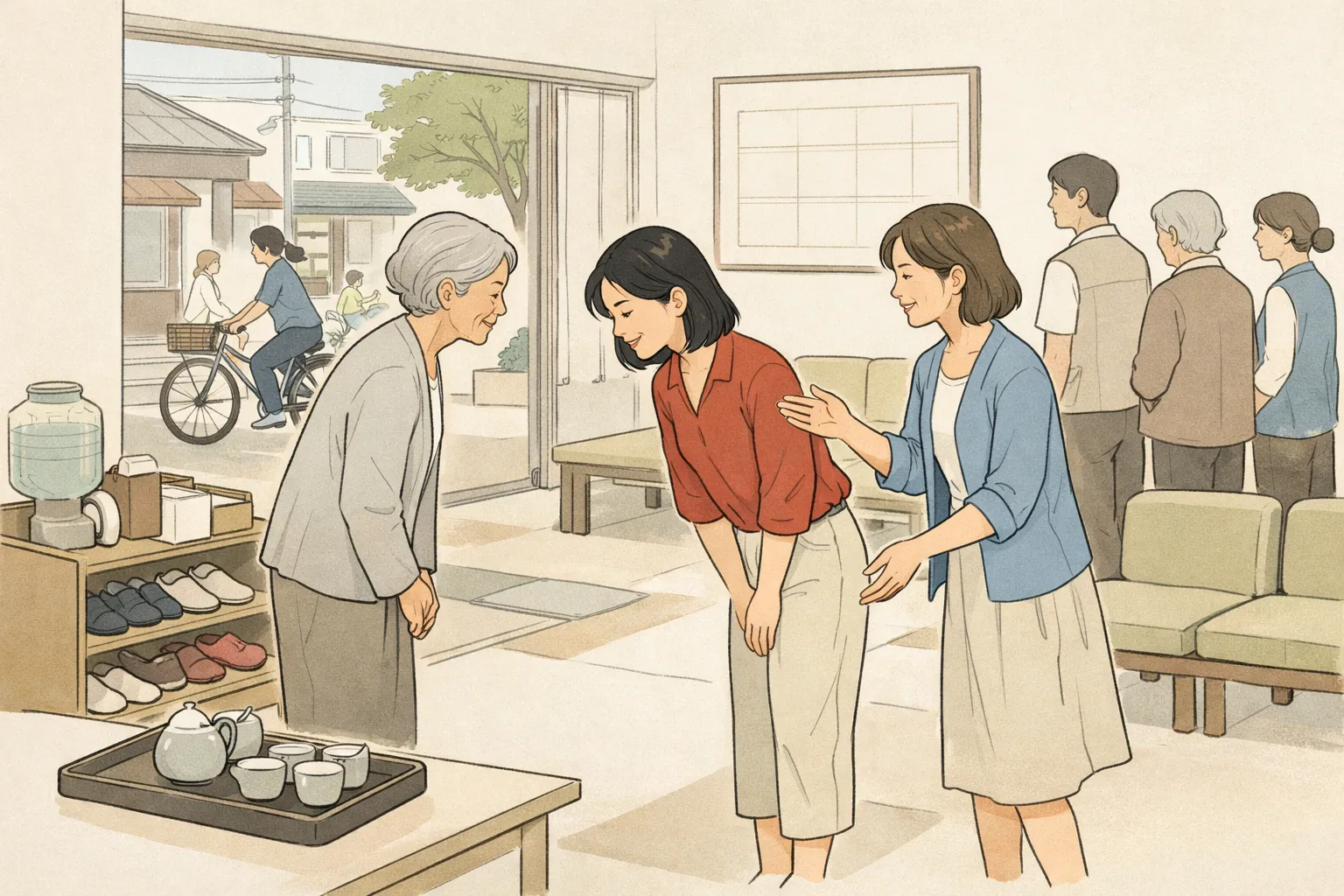
In terms of work and life in Japan, it is essential for Vietnamese people to understand cultural differences for smooth adaptation. It is important to recognize different cultures not as "good or bad" but as "differences." By doing so, friction in the workplace culture of companies decreases, and trust within the organization is built. These adaptations help with settling in during employment and also positively contribute to obtaining permanent residency.
In particular, in the Japanese business scene, communication styles and manners have a significant impact. Punctuality, consideration for hierarchical relationships, and etiquette are emphasized, so Vietnamese individuals are required to pay attention to these points. For example, when attending meetings, it is expected to prepare in advance, and when speaking, it is required to express oneself with respect. By being aware of these aspects, evaluations within the workplace will improve, and the employment environment will become more comfortable.
Moreover, building good human relationships is also very important in Japan's workplace culture. Valuing communication with colleagues and regularly expressing gratitude and appreciation is key to gaining trust. By understanding this culture and acting appropriately, it is possible to leave a good impression during the application for permanent residency.
Ultimately, understanding and adjusting to different cultures serves as a foundation for long-term life in Japan. By having the flexibility to adapt and express oneself within different cultures, the quality of employment and life in Japan improves, opening the path to obtaining permanent residency. This becomes an important point for Vietnamese individuals to smoothly integrate into Japanese society.
Understanding cultural differences is important for Vietnamese people in their work and life in Japan. By recognizing intercultural differences as "differences" rather than "good or bad," adaptation to workplace culture can progress, and trust can be built. This helps with job retention and opens the path to obtaining permanent residency. Proper communication and the establishment of good human relationships are the keys to success.
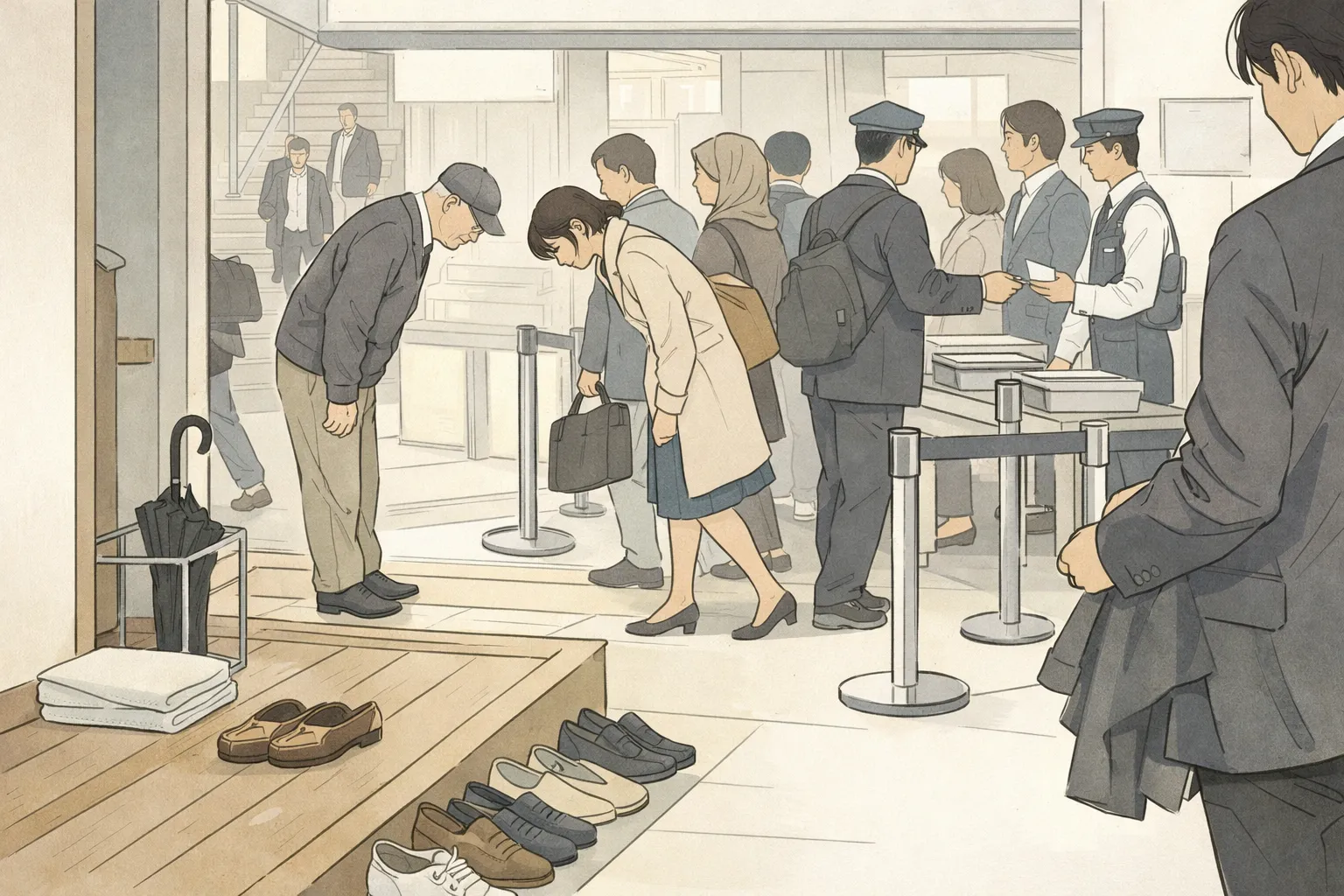
It is particularly important to understand the minimum manners and customs when living in Japan. In particular, behavior in public places and neighborhood relations are key to maintaining smooth human relationships in Japanese society.
Public places
What is important is to observe manners in public places. Being quiet and being considerate of those around you are highly valued by Japanese people. Always strive to behave in a way that is not uncomfortable for others. For example, talking on the phone or having loud conversations in stations or on buses is a no-go. Immediate measures include lowering your volume or refraining from phone calls in spaces where others are present.
💡 Point
It is important to spend time quietly in public places. Especially in public transportation, let's be mindful of maintaining a quiet atmosphere.
Neighborhood Relations
Relationships with neighbors are also important. Greetings and light conversations help build trust in Japan. Ignoring or being indifferent is considered undesirable, so when you meet someone, make sure to greet them actively. A common mistake many people make is passing by silently. Just by greeting, you can build a good relationship.
ℹ️ Additional Information
Having a good relationship with neighboring residents can be beneficial during disaster prevention and community activities.
Government Offices and Hospitals
At government offices and hospitals, it is important that procedures and examinations are carried out properly. If you go without checking the necessary documents in advance, you will waste time. In particular, a common mistake that Vietnamese people often make is misunderstanding due to the language barrier. Researching in advance and preparing the correct documents will help mitigate this issue.
⚠️ Caution
In offices and hospitals, incomplete documents and language mistakes can lead to troubles. Always make sure to check in advance.
Garbage disposal
The rules for garbage disposal are also very important. Ignoring the different rules in each area can cause inconvenience to neighboring residents. In particular, there are many restrictions regarding days and sorting. A quick solution is to check the local garbage disposal rules and create a calendar or memo.
Punctuality
Being punctual is a very important aspect of Japanese culture. Being late becomes a norm, which is disrespectful to others. Especially in business settings, strict adherence to time is required. If you are likely to be late, make sure to contact in advance.
Sound and Smoking
It is important not to make noise in public places and to observe smoking etiquette. Playing music at high volume and smoking in public areas often makes many people uncomfortable. Let's make an effort to keep quiet and respect designated smoking areas.
Observing basic manners and customs in Japan is an important factor for Vietnamese people living in Japan, whether they are seeking employment or applying for permanent residency. As a first step to integrating into society, please make an effort to keep this in mind.
In daily life in Japan, it is important to observe manners in public places, engage with neighbors, follow procedures at government offices and hospitals, adhere to garbage disposal rules, be punctual, and pay attention to noise and smoking. By following these guidelines, you can build smooth relationships and enjoy a comfortable life.
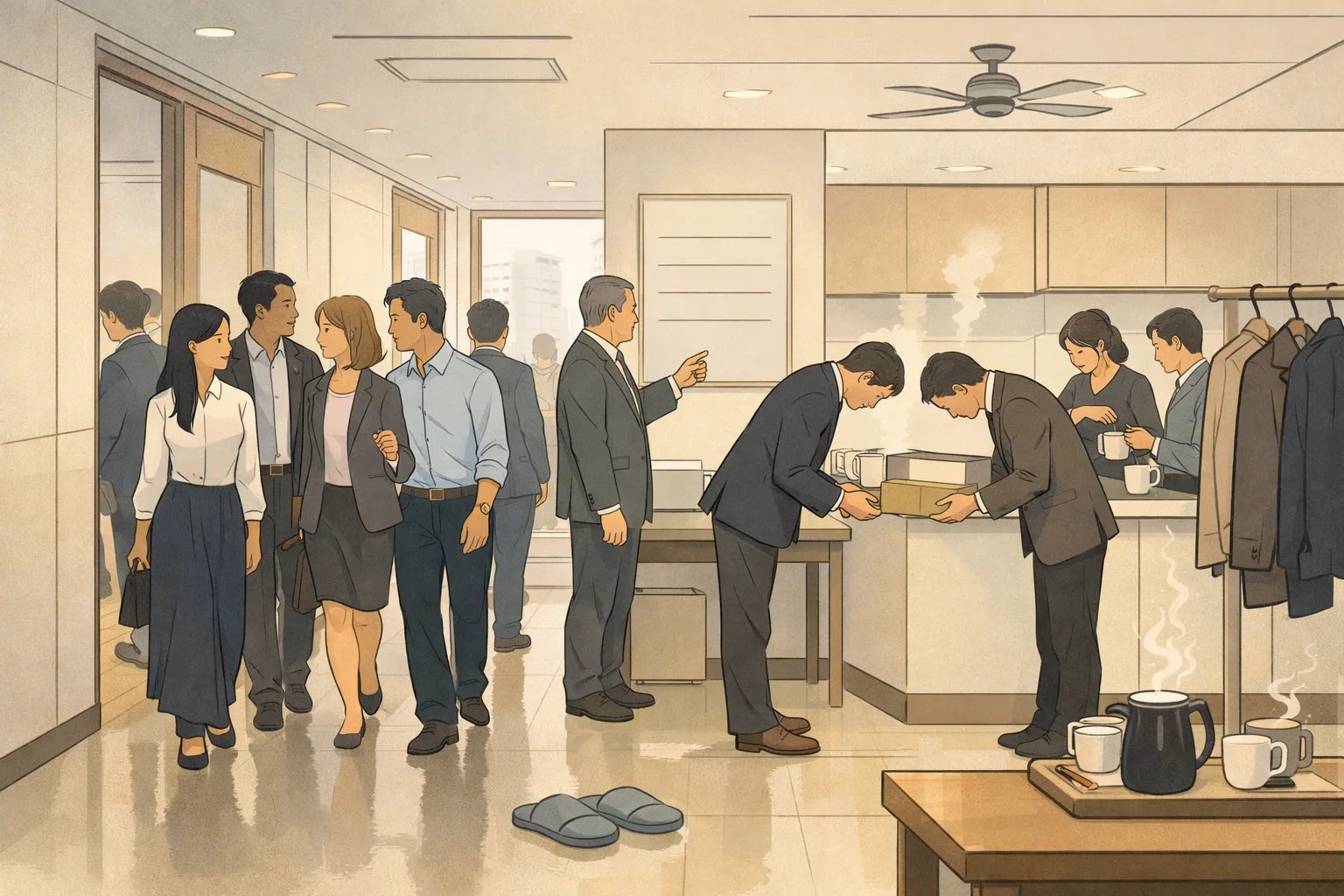
Japanese workplace culture has unique customs and manners, and adapting to these is extremely important for Vietnamese people seeking employment in Japan and even applying for permanent residency. First, it is essential to thoroughly practice Hōren-sō (reporting, contacting, and consulting), which is the foundation of business communication. For example, when providing a specific situation report to a superior, it is desirable to clearly convey, "Regarding the matter of ○○, the progress is △△, and the issues are □□." Such clarity leads to positive evaluations.
Exchanges in meetings and emails are also important, and formality is emphasized in business settings. In meetings, it is good to actively speak up, and when expressing your opinion, it is advisable to preface with, "In my opinion, I think ○○." In emails, using appropriate honorifics is key to building trust. Using the greeting "Thank you for your continued support" conveys business etiquette.
There is also a unique culture regarding overtime and taking paid leave. In Japan, overtime is common due to the workload, but it is also important not to overdo it. If you are forced to work unreasonable overtime, it is polite to inform in advance, "I will be leaving early today." Additionally, while taking paid leave is a worker's right, it is expected to consider the surrounding circumstances when applying.
When receiving instructions, it is essential to develop the habit of confirming the content. By asking, "Is this the correct understanding regarding this matter?" you can minimize misunderstandings. Furthermore, attention to implicit understandings is necessary. In Japan, there are many situations where reading the "air" that is not explicitly stated is required, so while having confidence in your own opinions, be sensitive to the other person's reactions.
The evaluation meeting is an opportunity to discuss the results of your work. It is important to show a positive attitude, such as saying, "Based on the results of this project, I would like to do this next time." Additionally, if there is a consultation window for harassment, it is also important to consult without fear. A mindset of seeking solutions, such as asking, "What can I do about this situation?" is crucial.
To obtain employment and permanent residency in Japan, it is important to adapt well to these workplace cultures. By understanding the subtle customs and manners in the Japanese workplace environment, Vietnamese individuals will be able to achieve success in a better working environment.
Toget a job in Japan, the use of Hōrensō and honorific language is essential. It is also important to pay attention to overtime and paid leave, confirm instructions, and prepare for evaluation meetings. These factors positively influence the application for permanent residency in Japan.
To succeed in the Japanese workplace, it is essential to understand and adapt to cultural rules.
Reference: Introduction of Foreign Engineers | Intercast Inc.

For Vietnamese individuals hoping to find employment in Japan, the first step is to choose the appropriate residency status. Japan's legal system offers many options, including work visas and technical intern training visas. After securing a job, enhancing one's value in the labor market by utilizing specialized knowledge and skills will facilitate smoother residency status renewal. Additionally, obtaining stable employment as a full-time employee will establish a foundation for living in Japan. It is important to prepare necessary documents such as employment contracts and proof of work history, and to develop a concrete plan for employment.
Stable employment requires tax payments and enrollment in social insurance. These are essential elements for establishing roots in Japanese society and gaining trust. Regular tax payments will also impact future permanent residency applications. Furthermore, enrolling in social insurance allows access to various supports such as medical services and unemployment insurance. Acting in accordance with the law brings a sense of security in life and helps build trust towards obtaining permanent residency.
Applying for permanent residency requires the preparation of various documents. Generally, materials that can prove the duration of residence in Japan and job stability are required. Specifically, residency cards, tax certificates, and employment certificates are necessary. By organizing and preparing these documents properly, the application process will proceed smoothly. Additionally, during interviews and examinations, it is important to demonstrate a positive attitude and adaptability to life in Japan.
Finally, it is very important to adapt to the lifestyle and culture of Japan. For Vietnamese people to smoothly integrate into Japanese society, an understanding of the culture and customs is necessary. Acquiring the language and learning Japanese manners are important steps to improve impressions during job hunting and to create a suitable workplace environment. By understanding different cultures and treating others with respect, it is possible to build trust and increase stability in long-term living.
With an understanding of the above points, let’s take concrete actions towards employment and permanent residency in Japan. First, it is important to check the necessary documents and consult with experts, and to proceed with the steps in a planned manner.
Vietnamese people aiming for employment in Japan should focus on selecting the residency status, stable employment, preparing for permanent residency, and adapting to the lifestyle and culture. In particular, tax payment and joining social insurance contribute to building trust.
| Step | Importance |
| Selection of Residence Status | Understanding Required Visas |
| Tax Payment and Enrollment in Social Insurance | Building Social Trust |
| Preparation for Permanent Residency Application | Smooth Progress of Procedures |
| Understanding of Living Culture | Smooth Internal Communication |
Reference: MP Research Association - Held a Permanent Residency Seminar with 100 Vietnamese Participants!
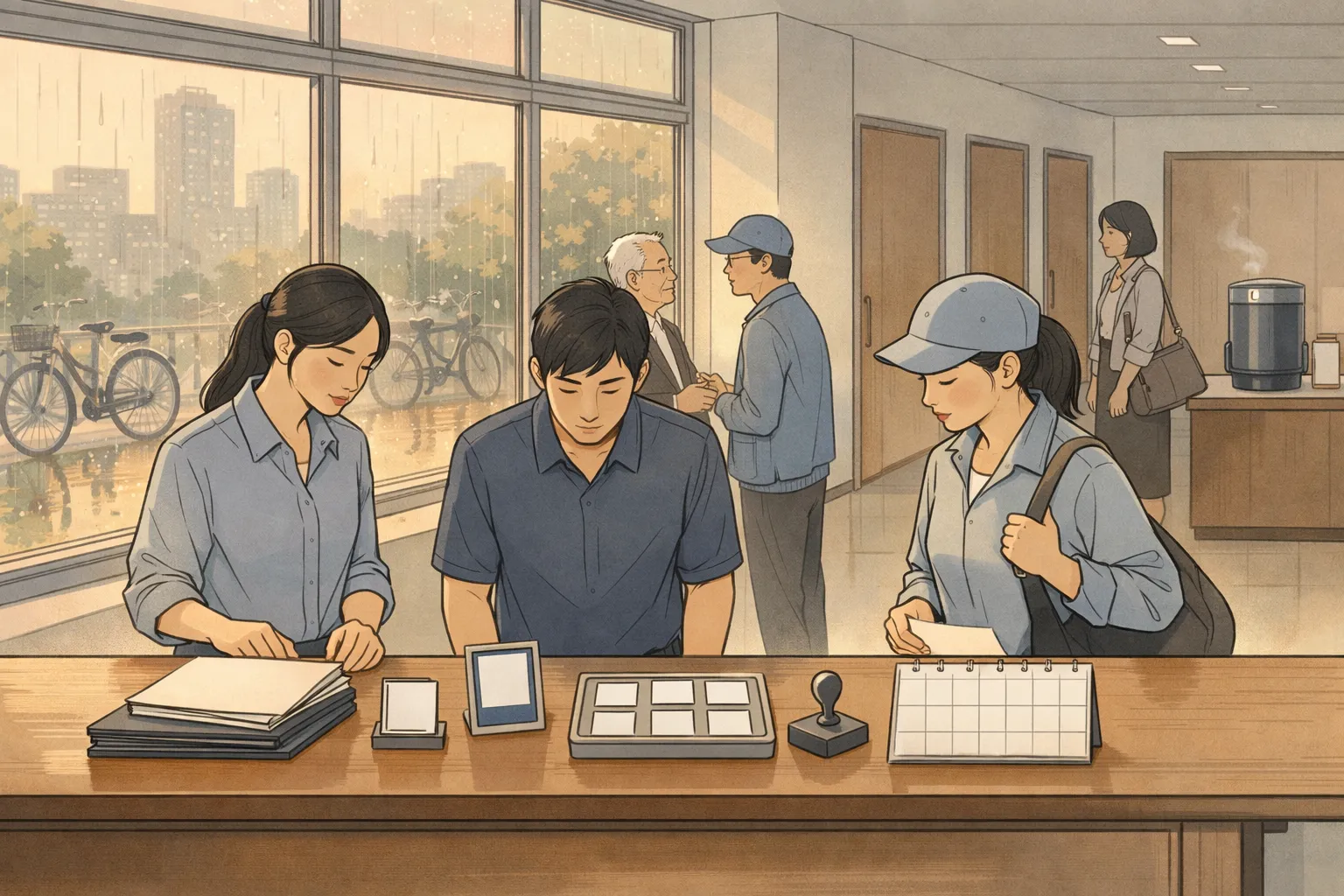
Review of Important Points
We have organized important points for Vietnamese individuals aiming to work in Japan when applying for permanent residency in a checklist format. This will help facilitate a smooth application process.
By keeping these points in mind, you can efficiently apply for permanent residency after getting a job in Japan and open the path to obtaining it. In particular, emphasizing your work experience and tax history as a Vietnamese person and making thorough preparations are the keys to success. If you want to obtain permanent residency in Japan, follow these steps in order and aim for steady progress.
Here are the important points for Vietnamese individuals aiming to apply for permanent residency in Japan. It is necessary to ensure eligibility for residency status, prepare required documents, confirm tax and pension contributions, choose the right timing for job changes, select a guarantor, draft a statement of reasons, understand the application process, be aware of points to consider during the review, update documents, and follow up after the application. Let's execute these steps in order to aim for a smooth application process.
Reference: Thorough Explanation of Visas for Vietnamese People [Short-term Stay Visa, Work Visa] | Shirofune
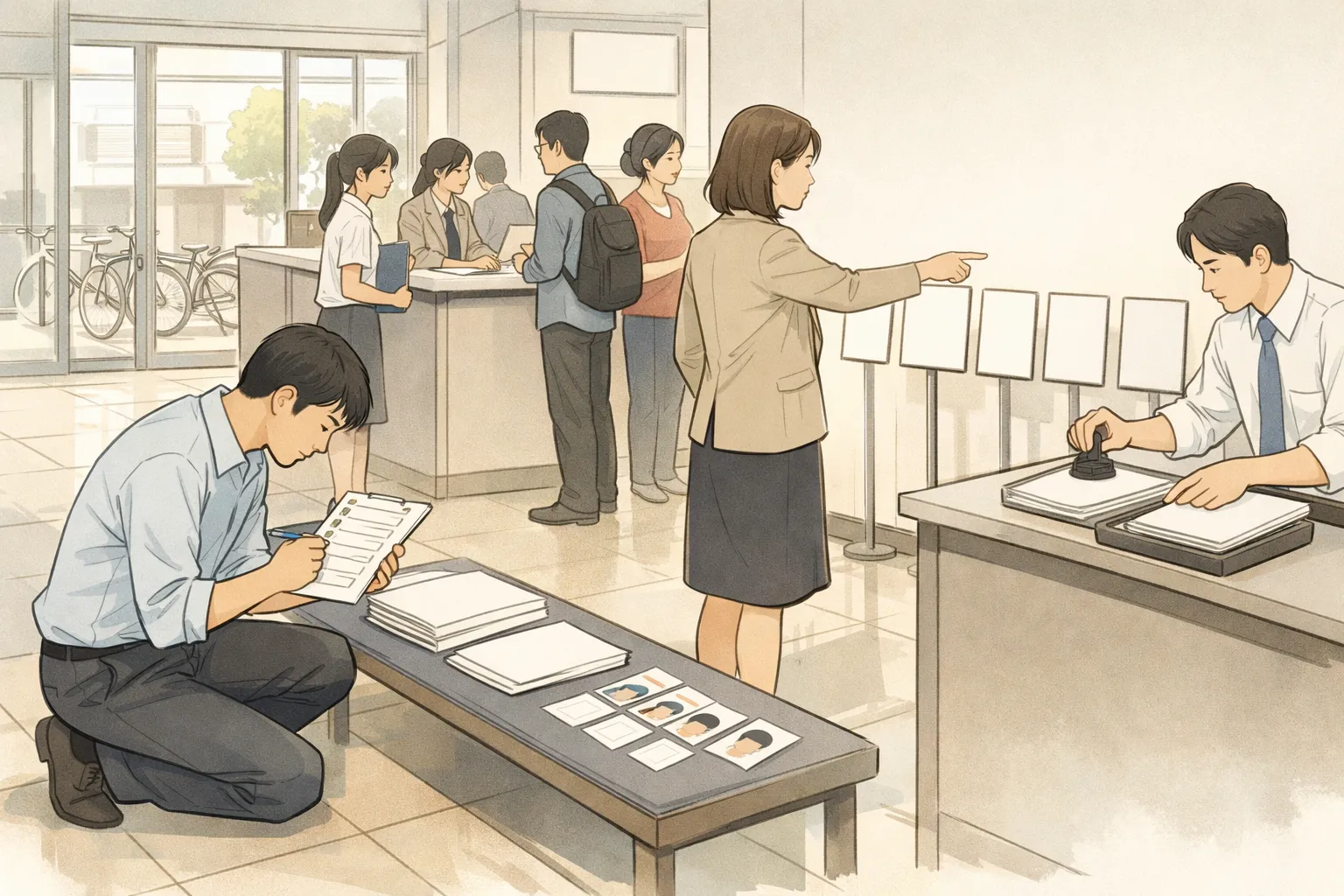
When Vietnamese individuals aim to obtain permanent residency in Japan, there are several points to be cautious about. First, document deficiencies are a critical mistake. If required documents are missing or submitted in an inappropriate format, there is a possibility that the application will be rejected. It is essential to check all items required for the application and adhere to submission deadlines when preparing documents. By preparing thoroughly in advance, you can mitigate this risk.
Next, unpaid taxes and pensions are also a concern. To contribute to Japanese society through employment in Japan, managing taxes and pensions is indispensable. Unpaid taxes and pensions can become obstacles to applying for permanent residency. It is advisable to organize receipts and certificates and check them regularly. If there are any unpaid amounts, it is important to address them promptly.
Furthermore, false declarations should absolutely be avoided. Providing false information on your application can not only lead to rejection of your application in the worst case, but it may also affect your future employment. Be sure to provide accurate information and seek advice from professionals when necessary.
The next point to note is mistakes in managing your residency period. It is important to be aware of the expiration date of your residency status and to carry out the renewal procedures at the appropriate time. Applying for something after your status has expired carries risks. Managing your residency status is particularly important as it can affect your future acquisition of permanent residency.
The timing of job changes or resignations is also important. When considering a job change after securing employment, it is advisable to choose a supportive employer. Ensure that the new workplace understands the permanent residency application process and consider whether the new employer will support your application if necessary.
Additionally, the handling of social media and side jobs should not be overlooked. If you have multiple activities at the time of your permanent residency application, you should understand in advance how they will be evaluated. Particularly, information on social media can unintentionally impact your application, so it is essential to manage your information thoroughly.
Finally, when faced with such challenges, I strongly recommend utilizing the consultation services of professionals, immigration authorities, or local government offices. By receiving appropriate advice, you can ensure a more reliable application process. Understand the specific procedures and utilize professional support to approach the acquisition of permanent residency with confidence.
Key Points for Employment to Permanent Residency Application
Consult with an expert to ensure a more reliable application process.


2026.07.30

2026.07.30


2026.08.03


2026.08.03

2026.08.03

2026.08.03

2026.08.03

2026.08.03

2026.08.03

2026.08.03
2026.07.30
2026.07.30
2026.08.03
2026.08.03
2026.08.03
2026.08.03
2026.08.03
2026.08.03
2026.08.03
2026.08.03
2026.07.30
2026.07.30
2026.08.03
2026.08.03
2026.08.03
2026.08.03
2026.08.03
2026.08.03
2026.08.03
2026.08.03
 COLUMN CATEGORY
We explain the types of work visas (such as Engineering/Humanities/International Services, Skills, etc.), the procedures for obtaining or changing residence status, the required documents and review points, and the flow of procedures that employers must handle.
We introduce guidelines for Japanese proficiency (JLPT, etc.), the language skills required by industry, study methods and materials, and how to prepare for Japanese in interviews and write language proficiency certificates.
We explain how to write a resume and work history documents for Japan (format and translation points), provide sample wording for self-promotion and reasons for applying, and show with concrete examples how to organize attached documents.
We explain salary benchmarks by industry, how to calculate take-home pay, overtime pay, how social insurance, pensions, and taxes work, and negotiation points such as welfare benefits and housing allowances.
We explain Japanese workplace customs (reporting and communication, hierarchy, teamwork), how to handle long working hours and take time off, measures against harassment, and how to map out career paths.
We introduce how to choose a job-change agency or job site, what to watch for when registering, interview scheduling and follow-up after an offer, and how to use free support services and event information.
We provide helpful information for Mongolians who are considering finding a job in Japan.
We provide helpful information for Nepalese who are considering finding a job in Japan.
We provide helpful information for Indonesians who are considering finding a job in Japan.
We provide helpful information for Vietnamese who are considering finding a job in Japan.
The JLPT N1 is the highest level of Japanese-language proficiency, and it is one of the strongest assets a foreign national can have when looking for a job in Japan. It proves you have the advanced Japanese skills needed in real business settings, opening doors to general and specialized positions as well as roles at major companies. In this category, we bring together job listings and career tips to help foreign nationals with N1 succeed in their job search in Japan.
The JLPT N2 is a practical level of Japanese-language proficiency that many companies use as a benchmark when hiring, making it a valuable asset for foreign nationals looking for a job in Japan. It proves you can handle not only everyday conversation but also business Japanese across a wide range of situations, greatly expanding your options—from office and administrative roles to many other positions. In this category, we bring together job listings and useful tips to help foreign nationals with N2 succeed in their job search in Japan.
The JLPT N3 shows that a foreign national has a solid, basic command of Japanese when looking for a job in Japan. It demonstrates that you can handle everyday conversation and simple work-related exchanges, so you'll find options well suited to a first job—such as roles you can start with no experience and on-site full-time positions. In this category, we bring together job listings and useful tips to help foreign nationals with N3 find a job in Japan.
RELATION COLUMN
\ Easy 30-second sign-up /
 2026.08.04
Comment from the author
The process for Vietnamese people to obtain permanent residency through employment in Japan is diverse. By understanding the route that suits your situation and properly completing the necessary procedures, you can take a step closer to your dream of permanent residency. Please approach this positively for your future life.